Describing Ovarian Cyst Pain
- Dull ache: Persistent, nagging lower abdominal pain.
- Sharp pain: Sudden, intense, often with movement.
- Cramps: Similar to menstrual cramps, varying intensity.
*Track fluctuations for insights.
Posted on: 2025-11-13
By: Edyta Drabek
Many women are unaware that ovarian cysts are a common issue, with many experiencing them at some point in their lives. Understanding the symptoms can be a vital step in managing your health. Let’s explore the key aspects of recognizing and dealing with ovarian cyst pain.
Understanding symptoms, coping strategies, and professional support for ovarian cysts.
*Track fluctuations for insights.
*Stay vigilant for changes.
*Find what works for you.
*Proactive steps for better quality of life.
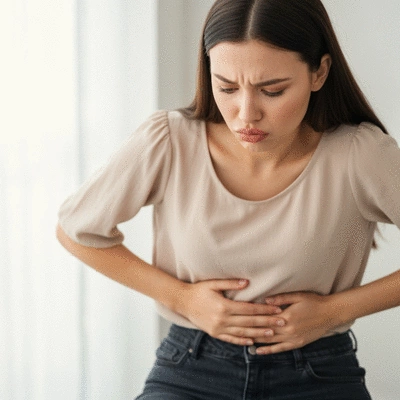
Experiencing ovarian cyst pain can be challenging, and it's important to know what to expect. Many women describe the sensations associated with ovarian cysts in varying ways. You might feel dull aches, sharp stabbing pains, or even cramp-like sensations that can come and go. Understanding these feelings can help you articulate what you’re experiencing and seek appropriate care.
Some women find that their pain is localized to one side of the abdomen, while others report a more generalized discomfort. It’s crucial to recognize these sensations as part of your body's way of communicating its needs. If you’re unsure about what you’re feeling, remember, you’re not alone in this journey! For a deeper dive into overall well-being, consider exploring staying positive with ovarian cysts.
To better understand ovarian cyst pain, let's break down the different sensations you may encounter:
Paying attention to how these sensations fluctuate can provide valuable insights into your condition. Keeping a journal may help you track your symptoms and recognize patterns, making it easier to communicate with your healthcare provider.
Alongside pain, there are several common symptoms associated with ovarian cysts that you may experience. Recognizing these symptoms is key to understanding your situation:
It’s essential to stay vigilant about any changes in your body. If symptoms intensify or become concerning, don’t hesitate to reach out for medical advice. You can also explore understanding ovarian cysts and symptoms for more detailed information.
Ovarian cyst symptoms can also be influenced by your menstrual cycle. Many women notice a correlation between their symptoms and different phases of the cycle. For example, symptoms may intensify during ovulation or just before menstruation due to hormonal fluctuations.
To help you understand this connection better, consider tracking your symptoms in relation to your cycle. This can provide clarity on how your body reacts to hormonal changes and assist your healthcare provider in tailoring a more effective management plan for you.
Keeping a symptom journal can be incredibly beneficial. Not only does it help you track your ovarian cyst pain and related symptoms, but it also allows you to identify patterns tied to your menstrual cycle. This information can be invaluable when discussing your condition with your healthcare provider, ensuring you receive tailored and effective care.
Ovarian cyst pain can manifest in different ways, including dull, persistent aches, sudden sharp pains, or cramp-like sensations similar to menstrual cramps. The intensity and location can vary.
Beyond pain, common symptoms include pelvic pain (constant or sudden), abdominal bloating or fullness, and nausea, especially if a cyst ruptures. Severe pain or fever could indicate a more serious condition.
Many women notice that ovarian cyst symptoms can intensify during certain phases of their menstrual cycle, such as during ovulation or just before menstruation, due to hormonal fluctuations. Tracking your cycle can help identify these correlations.
Effective coping strategies include home remedies like heat therapy (heating pads, warm baths), Epsom salt baths, adopting an anti-inflammatory diet, and practicing relaxation techniques. Finding what works best for your body is key.
It is crucial to consult a healthcare provider, such as a gynecologist, if you experience persistent or intensifying symptoms, severe pain, or fever. They can diagnose your condition accurately and develop a tailored treatment plan.
As we wrap up our discussion on managing ovarian cyst pain, it’s crucial to take a moment to reflect on the key points we've covered. First, we've explored the various symptoms that can arise from ovarian cysts, including dull and sharp pains, bloating, and even nausea. Understanding these signs can be a vital part of recognizing when to seek help.
Next, we delved into several effective coping strategies ranging from home remedies like heat therapy and Epsom salt baths to the benefits of an anti-inflammatory diet. Each of these approaches can play a significant role in alleviating discomfort and enhancing overall well-being. Remember, it’s all about finding what works best for you!
Ultimately, being informed and proactive in your health journey can lead to better management of ovarian cyst pain.
It’s important to remember that you’re not alone in this journey. If you’re struggling with managing your ovarian cysts, I encourage you to seek help! Whether it’s from friends, family, or professionals, having a support system can make a world of difference. There are also numerous resources available to you, such as support groups and educational materials.
These platforms can provide valuable insights and connect you with others who understand what you’re going through. Remember, reaching out is a sign of strength!
Consulting with healthcare professionals is essential in effectively managing ovarian cysts. Gynecologists and reproductive endocrinologists are specifically trained to diagnose and monitor ovarian cysts. They can provide tailored treatment plans based on your unique situation, ensuring you receive the best care possible.
Regular check-ups and open communication with your healthcare provider can help you stay informed about your condition and any necessary lifestyle adjustments. It’s about creating a comprehensive approach that supports your health and well-being. For additional insights on managing discomfort, consider exploring coping with ovarian cyst emotions.
Taking proactive steps with the support of healthcare professionals can lead to more effective management and a better quality of life.
Here is a quick recap of the important points discussed in the article: