Understanding ovarian cysts can feel overwhelming, especially if you're navigating discomfort on your own. But knowledge is empowering! By grasping the fundamentals of ovarian cysts and their hormonal influences, you can take control of your health journey.
What You Will Learn
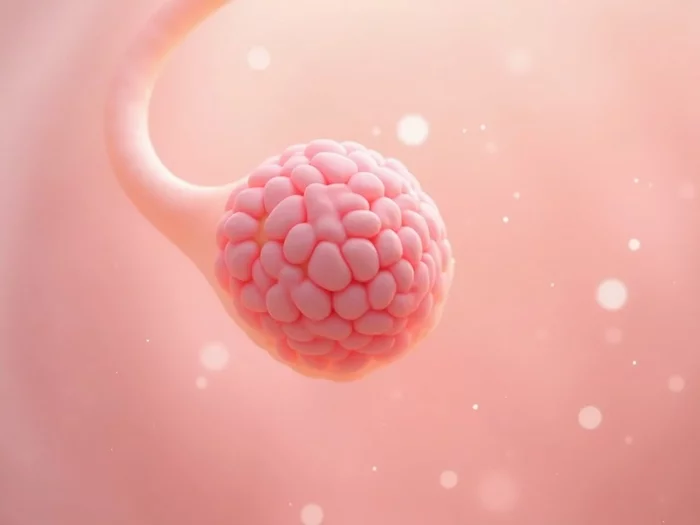
Ovarian cysts are common fluid-filled sacs that can develop on the ovaries, often related to the menstrual cycle.
Different types of cysts, such as functional cysts, dermoid cysts, and endometriomas, have distinct characteristics and causes.
Hormonal fluctuations, especially in estrogen and progesterone, significantly influence the formation of functional cysts.
Insulin and androgen levels are also crucial; high insulin can lead to conditions like PCOS, contributing to multiple cysts.
Understanding the hormonal interplay can guide management strategies, such as hormonal therapies and lifestyle changes.
Patient education is vital for making informed health decisions and recognizing symptoms early on.
Consulting with healthcare providers can help create personalized treatment plans tailored to individual health needs.
Hormones and Their Influence on Ovarian Cysts
Understanding the key hormones involved in ovarian cyst development and their management.
Types of Ovarian Cysts
Functional Cysts: Most common, menstrual cycle related.
Dermoid Cysts: Abnormal cell growth, can contain various tissues.
Endometriomas: Form due to endometriosis.
Hormones & Cyst Development
Estrogen: Critical for follicular cysts.
Progesterone: Influences corpus luteum cysts.
Insulin & Androgens: High levels linked to PCOS.
FSH, LH, GnRH, hCG: Essential for overall ovarian function.
Management Strategies
Consult healthcare providers for personalized plans.
Understanding Hormones and Ovarian Cysts: The Basics
Understanding ovarian cysts can feel overwhelming, especially if you’re navigating discomfort on your own. Let’s take a moment to break this down together. First, it’s important to recognize that ovarian cysts are fluid-filled sacs that form on the ovaries, and they are more common than you might think. Many women will experience them at some point in their lives, but knowing what to look for and understanding the different types of ovarian cysts can empower you to manage your symptoms more effectively.
There are several types of ovarian cysts, including functional cysts, dermoid cysts, and endometriomas. Each type has its own characteristics and causes. Functional cysts occur as part of the menstrual cycle, while dermoid cysts can contain different types of tissue. Understanding these differences is crucial in addressing your health and wellness needs.
What Are Ovarian Cysts and Their Types?
Let’s explore the different types of ovarian cysts more closely. Here’s a quick overview:
Functional Cysts: These are the most common type and typically occur during the menstrual cycle.
Dermoid Cysts: These cysts can contain hair, skin, or even teeth, and are a result of abnormal cell growth.
Endometriomas: These cysts form due to endometriosis, where uterine tissue grows outside the uterus.
Knowing the type of cyst you have can help determine the best course of action, whether it involves monitoring or treatment.
How Hormones Drive Cyst Development
Hormones play a pivotal role in the development of ovarian cysts. Specifically, fluctuations in estrogen and progesterone levels can lead to the formation of functional cysts. When these hormone levels are out of balance, it can hinder the normal ovulation process, resulting in cyst growth.
For women experiencing hormonal imbalances, understanding how these changes affect ovarian function is essential. It can feel like a rollercoaster at times, but with the right knowledge, you can take steps to balance your hormones and manage your health.
The Role of Insulin and Androgens in Ovarian Cyst Formation
In addition to estrogen and progesterone, insulin and androgens also influence ovarian health. High levels of insulin can lead to increased androgen production, which may contribute to conditions such as PCOS (Polycystic Ovary Syndrome). This syndrome is characterized by multiple cysts on the ovaries that can disrupt regular menstruation.
Understanding these connections is vital in taking control of your health. If you suspect that you may have PCOS or related conditions, consider tracking your symptoms and discussing them with a healthcare provider. Remember, you don't have to navigate this journey alone!
Pro Tip
Did you know? Keeping a health journal can significantly enhance your understanding of ovarian cysts. By tracking your symptoms, menstrual cycle, and any lifestyle changes, you can identify patterns that may help in managing your health more effectively. This proactive approach empowers you to discuss your observations with your healthcare provider, leading to more personalized care.
Key Takeaways on Hormones and Ovarian Cyst Development
Understanding how hormones influence ovarian cyst development can be empowering. The intricate interplay between different hormones shapes the health of our ovaries and can lead to the formation of various types of cysts. Here’s a quick recap of the main hormones involved:
Estrogen: Plays a critical role in the development of follicular cysts.
Progesterone: Influences the formation of corpus luteum cysts.
FSH and LH: Essential for overall ovarian function and health.
GnRH: Regulates the release of FSH and LH, impacting cyst development.
hCG: Important during pregnancy and associated with cyst formation.
By grasping these concepts, you can begin to see how hormonal balance is vital for your ovarian health. If you're experiencing symptoms related to ovarian cysts, knowing about these hormones can help you understand potential management options.
Understanding Your Options for Management and Prevention
When it comes to managing ovarian cysts, being informed about your options is crucial! Here are a few strategies you might consider:
Consulting with a healthcare provider for personalized treatment plans.
Exploring hormonal therapies to regulate your hormones effectively.
Incorporating natural approaches into your lifestyle, such as dietary changes.
Practicing stress management techniques, which can significantly impact hormonal health.
Each woman's journey is unique, and what works for one may not work for another. It’s essential to explore these options and find what suits your lifestyle best!
Frequently Asked Questions About Ovarian Cysts and Hormones
What are ovarian cysts?
Ovarian cysts are common fluid-filled sacs that develop on the ovaries, often related to the menstrual cycle. They can vary in type and cause.
What types of ovarian cysts are there?
The main types include functional cysts (most common, related to the menstrual cycle), dermoid cysts (containing various tissues due to abnormal cell growth), and endometriomas (formed due to endometriosis).
How do hormones influence ovarian cyst development?
Hormonal fluctuations, particularly in estrogen and progesterone, significantly impact the formation of functional cysts by affecting the normal ovulation process. High levels of insulin and androgens are also linked to conditions like PCOS, which can lead to multiple cysts.
What is the role of insulin and androgens?
High insulin levels can lead to increased androgen production, contributing to conditions like Polycystic Ovary Syndrome (PCOS), which is characterized by multiple ovarian cysts and disrupted menstruation.
What are the management strategies for ovarian cysts?
Management options include consulting healthcare providers for personalized plans, exploring hormonal therapies, incorporating natural approaches (e.g., diet, stress management), and staying informed about your symptoms and body.
Why is patient education important?
Patient education is vital for making informed health decisions, recognizing symptoms early, fostering confidence in discussions with healthcare providers, and understanding how lifestyle impacts hormonal balance and overall wellness.
The Importance of Patient Education in Managing Ovarian Cysts
At Ovarian Cysts Wellness, we believe that knowledge is power. Educating yourself about your body and ovarian cysts can dramatically improve your ability to manage symptoms and overall wellness. Here’s why patient education matters:
It allows you to make informed decisions regarding your health.
Understanding your body helps you recognize symptoms early on.
Knowledge fosters confidence when discussing concerns with healthcare providers.
Awareness of lifestyle changes that can support hormonal balance and wellness.
Taking the initiative to educate yourself can lead to better outcomes and more effective management strategies. Your journey towards understanding ovarian cysts is just beginning, and I’m here to support you every step of the way!
Encouragement to Seek Professional Guidance
Consulting with Healthcare Providers for Personalized Plans
While self-education is essential, consulting with healthcare providers is equally important. They can offer tailored advice based on your unique situation. Here’s how to make the most of your consultations:
Prepare a list of questions or concerns about your symptoms.
Be open about your lifestyle and any changes you’ve made.
Discuss all available treatment options, including natural methods.
Follow up regularly to monitor any changes in your health.
Don't hesitate to advocate for yourself! Working alongside healthcare professionals can help you create a comprehensive wellness plan.
Staying Informed: The Importance of Understanding Your Body
Finally, staying informed about your body and its signals is key to managing ovarian cysts effectively. Pay attention to your cycle, keep track of any symptoms, and take note of what works for you. Remember, you are your own best advocate! Here are some tips for staying informed:
Maintain a health journal to track symptoms and triggers.
Engage with communities that share your experiences for support and insights.
Being proactive in your health journey can lead to improved outcomes. You have the power to influence your wellness, and I’m here to guide you along the way!
Recap of Key Points
Here is a quick recap of the important points discussed in the article:
Ovarian cysts are common fluid-filled sacs that can occur on the ovaries during a woman's life.
Different types of ovarian cysts include functional cysts, dermoid cysts, and endometriomas, each with unique characteristics.
Hormonal fluctuations, particularly of estrogen and progesterone, are pivotal in the development of functional cysts.
Insulin and androgens also play a role in ovarian health and can contribute to conditions like PCOS.
Consulting healthcare providers is essential for personalized management strategies and treatment options.
Staying informed about your body and tracking symptoms can empower you in managing ovarian cysts effectively.
Subscribe & Share
2025-11-23
Hormones and Ovarian Cyst Growth
Understanding ovarian cysts can feel overwhelming, especially if you're navigating discomfort on you
2025-11-15
Self-Care Kit for Period Relief
Building your personalized self-care kit can be a transformative experience, especially during chall
2025-11-13
Understanding Ovarian Cyst Pain
Many women are unaware that ovarian cysts are a common issue, with many experiencing them at some po
Ovarian Cysts Wellness
Your trusted resource for understanding ovarian cysts and discovering natural management strategies. We empower women aged 18-45 with holistic insights and practical guidance for comfort and balance.
Trusted by women seeking gentle relief, our mission is to provide reliable, empathetic information backed by Edyta Drabek's expertise in holistic health and wellness.
What if the discomfort you're feeling could be a c
Ovarian Cysts Wellness Insights
Tip — Understanding ovarian cysts can feel overwhelming. Take a deep breath; you're not alone. Knowing the basics empowers you to manage symptoms more effectively.
Tip — For natural relief, try incorporating gentle yoga. Simple stretches can ease tension and nurture your mind and spirit. Your body will thank you!
Tip — Enhance your comfort with self-care products like a heat therapy wrap. It offers immediate relief and a moment to unwind. Discover my top picks!
Tip — Your wellness journey is unique. Keep a journal to track what brings you comfort. Your experiences can light the way for others in our community.
Tip — Explore natural management strategies blending research-based insights with practical lifestyle tips. Edyta Drabek guides you on your path to balance and self-care.