Self-Care Kit for Period Relief
Posted on: 2025-11-15
By: Edyta Drabek
Building your personalized self-care kit can be a transformative experience, especially during challenging times like menstrual discomfort. It not only alleviates physical pain but also nurtures your emotional well-being. As you embark on this journey, consider how tailored self-care can empower you to reclaim comfort and control over your body.
What You Will Learn
- The significance of a self-care kit in managing period pain effectively.
- Common symptoms associated with menstrual discomfort for better kit customization.
- Different types of dysmenorrhea and how they impact self-care strategies.
- Essential items to include in your self-care kit for maximum comfort and relief.
- Tips for personalizing your kit based on individual needs and experiences.
- Steps to build your kit and ensure it's always ready when you need it most.
Self-Care Kit Essentials & Customization
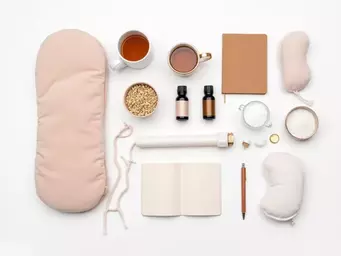
Here's a comparison of essential items for a period pain self-care kit and key strategies for tailoring it to individual needs. This approach aligns with broader strategies for creating a comfort routine for your cycle, emphasizing preparedness and personalized care.
Essential Self-Care Kit Items
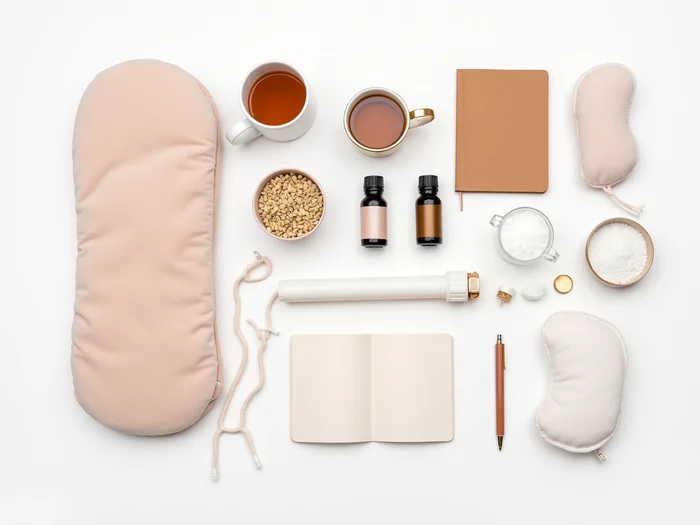
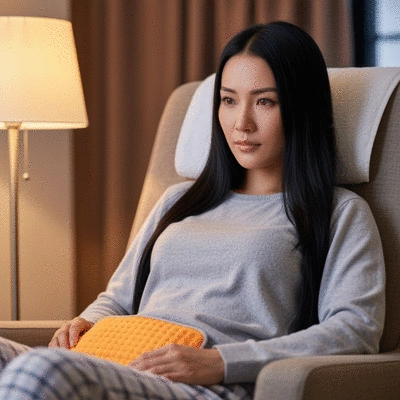
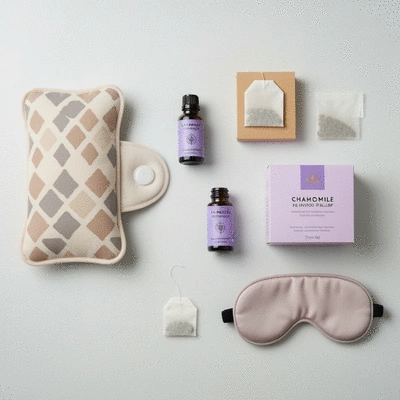
- Heating pads for soothing cramps & muscle relaxation.
- Pain relief medications for severe discomfort.
- Soothing herbal teas (chamomile, ginger) for calming effects.
- Essential oils (lavender for relaxation, peppermint for pain).
- Comfortable clothing to help you feel at ease.
Tailoring Your Kit for Comfort
- Assess symptoms to identify most troubling issues.
- Experiment with herbal teas and essential oils to find favorites.
- Consider activities: include yoga mat or workout attire if preferred.
- Regularly update your kit based on changing needs or preferences.
- Avoid foods that worsen symptoms as part of personalization.
Understanding the Importance of a Self-Care Kit for Period Pain
When it comes to managing period pain, having a dedicated self-care kit can make a world of difference. Many women experience discomfort during their menstrual cycle, and taking time for self-care is not just a luxury—it’s an essential part of wellness. By understanding the importance of a self-care kit, you can empower yourself to navigate these challenging days with more ease and comfort.
At Ovarian Cysts Wellness, I believe that self-care is vital for every woman. It’s not just about physical relief; it’s about nurturing your mind and spirit too. Creating a self-care kit means you have everything you need at your fingertips, helping you to feel more in control during your monthly cycle.
Why Self-Care is Essential During Menstrual Discomfort
Self-care isn’t just a buzzword; it’s a fundamental practice that can transform how you experience your menstrual cycle. Engaging in self-care helps you recognize your body's signals and respond with compassion. When you prioritize self-care, you’re taking proactive steps to alleviate discomfort and promote overall wellness. This can also be a key component in coping strategies for ovarian cysts, as the principles of self-nurturing apply broadly.
- It helps reduce stress and anxiety levels.
- Enhances your overall mood and emotional well-being.
- Encourages a better understanding of your body’s needs.
Taking these actions can help you feel more empowered and less overwhelmed during your period. A personalized self-care kit acts as a comforting reminder that you deserve time for yourself, especially when you need it the most.
Common Symptoms of Period Pain and Discomfort
Understanding the symptoms you may experience can help in creating a self-care kit tailored just for you. Common issues that arise during menstruation include:
- Dull or throbbing abdominal pain
- Aches in your lower back and thighs
- Headaches or migraines
- Nausea and digestive issues
- Fatigue and mood swings
Recognizing these symptoms can guide you in choosing effective relief methods to include in your self-care kit. Remember, you are not alone in experiencing these challenges, and understanding your symptoms empowers you to address them more effectively.
Understanding Dysmenorrhea: Types and Causes of Severe Period Pain
Dysmenorrhea refers to the medical term for severe menstrual cramps. It’s essential to understand the types of dysmenorrhea to create a kit that suits your needs. There are two main types:
- Primary Dysmenorrhea: This is common and typically caused by the release of prostaglandins, leading to painful contractions.
- Secondary Dysmenmenorrhea: This occurs due to underlying conditions, such as endometriosis or uterine fibroids, and can require more targeted treatment options.
By knowing whether your pain is primary or secondary, you can make informed decisions about the items to include in your self-care kit. This understanding can also guide you on when to consult a healthcare professional for additional support.
We Want to Hear From You!
What self-care practices have you found most effective for managing period pain? Share your thoughts below:
Recap of Key Strategies for Creating Your Self-Care Kit
As we wrap up the discussion on building your self-care kit, it's important to remember the essential items that can provide you with comfort during those challenging days. A well-thought-out self-care kit can make a significant difference in how you experience your menstrual cycle.
Here’s a quick summary of the essential items and their benefits that you should consider including in your kit:
- Heating pads for soothing cramps and muscle relaxation.
- Pain relief medications to help ease severe discomfort.
- Soothing herbal teas like chamomile and ginger for calming effects.
- Essential oils such as lavender for relaxation and peppermint for pain relief.
- Comfortable clothing to help you feel at ease.
Each of these components plays a vital role in enhancing your overall comfort, not just physically but also emotionally. By incorporating these items, you can create a supportive environment that fosters self-care and relaxation.
Understanding How to Tailor Your Kit for Maximum Comfort
It's crucial to recognize that every woman's experience with menstrual discomfort is unique. Therefore, your self-care kit should be customized based on your individual needs and preferences. For instance, if you find that certain foods worsen your symptoms, avoiding them can be a part of your personalization strategy.
Additionally, consider keeping track of which herbal remedies or essential oils work best for you, as this can lead to a more effective routine. Here are some tips for tailoring your kit:
- Assess your symptoms: Identify which symptoms are most troubling for you.
- Experiment with different herbal teas and essential oils to find your favorites.
- Consider your activities: If you prefer movement, include items like a yoga mat or comfortable workout attire.
- Regularly update your kit based on your changing needs or preferences.
By refining your self-care kit to fit your specific requirements, you'll not only enhance your comfort but also empower yourself during your menstrual cycle. Remember, self-care is a journey, and it’s perfectly okay to adjust your kit as you learn more about what works for you! For more insights into natural relief, explore natural remedies for ovarian cyst pain.
Frequently Asked Questions About Building a Self-Care Kit for Period Pain
- Q1: Why is a self-care kit important for managing period pain?
- A1: A self-care kit is crucial because it provides a dedicated collection of items to alleviate physical discomfort and support emotional well-being during menstruation, helping you feel more in control and comfortable.
- Q2: What are some common symptoms of period pain that a self-care kit can address?
- A2: Common symptoms include dull or throbbing abdominal pain, lower back aches, headaches/migraines, nausea, digestive issues, fatigue, and mood swings. A tailored kit can offer relief for many of these.
- Q3: What essential items should be in a period pain self-care kit?
- A3: Essential items include heating pads, pain relief medications, soothing herbal teas (like chamomile or ginger), essential oils (such as lavender or peppermint), and comfortable clothing.
- Q4: How can I personalize my self-care kit?
- A4: Personalize your kit by assessing your most troubling symptoms, experimenting with different remedies to find what works best, considering activities you enjoy (like yoga), and regularly updating it based on your evolving needs.
- Q5: What is dysmenorrhea, and how does understanding it help with my self-care kit?
- A5: Dysmenorrhea is the medical term for severe menstrual cramps. Understanding whether you have primary (common, prostaglandin-related) or secondary (due to underlying conditions) dysmenorrhea can help you choose more targeted relief items and know when to seek professional medical advice.
Take Action: Build Your Personalized Self-Care Kit Today
Steps to Gather Your Self-Care Essentials
Now that we've discussed the essentials, it's time to take action! Building your personalized self-care kit is an exciting endeavor, and I’m here to guide you through the process. Here’s a step-by-step approach to get you started:
- Gather your comfort items: Start with the basics like heating pads and herbal teas.
- Incorporate soothing items: Add scents and textures that bring you joy.
- Explore pain relief options: Stock up on over-the-counter medications if needed.
- Personalize your kit: Tailor it to fit your preferences and symptoms.
- Store it in a convenient place: Keep your kit accessible for when you need it most!
Taking these steps will ensure that when period discomfort strikes, you’re prepared with a kit that supports your well-being.
Encouragement to Share Your Experience and Tips with Others
Finally, I encourage you to share your experiences and any tips you discover along the way! The journey through menstrual discomfort can be isolating, but it doesn’t have to be. By sharing what you learn, you contribute to a community of women supporting each other. Let’s create a dialogue where we can inspire and uplift one another!
If you have specific remedies that have worked wonders for you, don’t hesitate to discuss them with friends or in our Ovarian Cysts Wellness community. Your insights could make a world of difference for someone else. Together, we can navigate this journey towards greater comfort and self-care!
Recap of Key Points
Here is a quick recap of the important points discussed in the article:
- A dedicated self-care kit is essential for managing period pain effectively.
- Self-care practices help reduce stress, enhance mood, and improve body awareness.
- Recognizing common symptoms like cramps and headaches aids in tailoring your self-care kit.
- Understanding the types of dysmenorrhea can guide your kit's contents and when to seek medical help.
- Essential items for your kit include heating pads, pain relief medications, herbal teas, essential oils, and comfortable clothing.
- Personalizing your kit based on symptoms and preferences enhances comfort and effectiveness.
- Regularly updating your kit ensures it meets your evolving needs.
 Understanding ovarian cysts can feel overwhelming, especially if you're navigating discomfort on you
 Building your personalized self-care kit can be a transformative experience, especially during chall
 Many women are unaware that ovarian cysts are a common issue, with many experiencing them at some po