Ovarian Cysts: Do They Disappear?
Posted on: 2025-11-07
By: Edyta Drabek
What if the discomfort you're feeling could be a common and often temporary issue? Understanding ovarian cysts might provide the reassurance you need. Many women experience these fluid-filled sacs, often without even realizing it, and knowledge is your best ally in managing your health.
What You Will Learn
- Ovarian cysts are common in women of reproductive age and often harmless.
- Many cysts can resolve on their own, typically within a few menstrual cycles.
- Understanding the different types of cysts, including functional and complex cysts, is crucial for your health.
- Lifestyle factors such as diet, exercise, and stress management can influence the occurrence and symptoms of cysts.
Understanding Ovarian Cysts: Types and Resolution
Ovarian cysts are common. Many are benign and resolve naturally, while others require monitoring. Below are key comparisons and a look at how functional cysts resolve.
Cyst Categories
Functional Cysts: Related to menstrual cycle, most common, often resolve spontaneously.
Complex Cysts: May have solid components, require closer monitoring or intervention.
Spontaneous Resolution of Functional Cysts
Functional cysts resolve within a few menstrual cycles due to hormonal changes.
Understanding Ovarian Cysts and Their Nature
Ovarian cysts are fluid-filled sacs that form on the ovaries and are a common occurrence for women throughout their reproductive years. In fact, many women will experience them at some point, often without even realizing it! These cysts can vary in size and type, with most being benign and harmless. However, it’s essential to know that there are also complex cysts that may require closer monitoring or intervention.
There are primarily two categories of ovarian cysts: functional cysts, which are related to the menstrual cycle, and complex cysts, which may have different characteristics. Understanding these differences can empower you on your wellness journey. Remember, every woman's experience is unique, and knowledge is a vital tool in managing your health. For a deeper dive into your condition, consider exploring understanding ovarian cysts and symptoms.
What Are Ovarian Cysts?
To put it simply, ovarian cysts are sacs that develop on the ovaries and can contain fluid or semi-solid material. While most cysts are functional and resolve on their own, there are other types that you should be aware of:
- Benign Cysts: These are non-cancerous and include functional cysts.
- Complex Cysts: These may require further evaluation, as they can have solid components.
Understanding these types can help you discern what’s happening in your body and when to seek help. Always trust your instincts; if something feels off, it’s important to consult with a healthcare provider who understands your concerns.
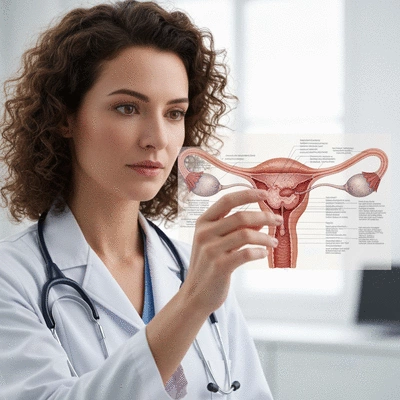
Types of Ovarian Cysts: Functional, Dermoid, and Endometriomas
Let’s delve deeper into the various types of ovarian cysts you might encounter:
- Functional Cysts: These are the most common and include follicular cysts and corpus luteum cysts that form during the menstrual cycle.
- Dermoid Cysts: These are unique, containing various tissue types, like hair or teeth, and are generally benign.
- Endometriomas: Often associated with endometriosis, these cysts can be painful and require careful management.
Recognizing the type of cyst can play a significant role in determining the right path forward, especially if you’re experiencing discomfort or symptoms. It’s like piecing together a puzzle to understand your body better!
The Mechanism of Spontaneous Resolution
One comforting aspect about ovarian cysts is that many resolve on their own. This spontaneous resolution occurs because of hormonal changes during the menstrual cycle. As your body prepares for ovulation, cysts often shrink or disappear without the need for medical intervention!
In fact, studies suggest that an estimated 60-70% of functional cysts will go away within a few menstrual cycles. Understanding this can provide reassurance, especially if you’re feeling anxious about your symptoms. It’s always a good idea to stay informed and keep track of what your body is telling you. To learn more about how natural approaches can help, read about natural ways for ovarian cyst relief.
Pro Tip
Did you know? Incorporating a diet rich in antioxidants, such as berries, leafy greens, and nuts, can support ovarian health and potentially reduce the formation of cysts. Consider adding these foods to your meals for a natural boost!
Key Takeaways on Ovarian Cysts and Self-Care
When it comes to ovarian cysts, understanding their nature is crucial. Many cysts are benign and can resolve on their own without causing harm. Here are some key insights to keep in mind:
- Ovarian cysts are quite common in women of reproductive age.
- Many cysts may disappear naturally within a few months.
- Monitoring is essential to ensure that any symptoms are tracked and addressed.
- Lifestyle factors such as diet and stress management can influence cyst outcomes.
At Ovarian Cysts Wellness, I always emphasize the importance of self-care. By staying informed and attentive to your body, you can navigate your wellness journey more effectively. Remember, it's not just about the cysts, but also about your overall health!

Engaging with Your Health: Next Steps
It's vital to take an active role in your health, especially when it comes to ovarian cysts. I encourage you to consult with healthcare professionals, particularly gynecologists, for tailored advice. Here are some actionable self-care tips to help you monitor your symptoms and maintain your gynecological health:
- Keep a symptom journal to track any changes or discomfort you experience.
- Incorporate gentle exercises, such as yoga or walking, into your routine.
- Focus on a balanced diet rich in fruits, vegetables, and whole grains.
- Stay hydrated and practice relaxation techniques to reduce stress.
Engaging with your health doesn't mean you have to face it alone. Connect with our community at Ovarian Cysts Wellness for support and shared experiences! For additional guidance on mindful movement, explore yoga for pelvic comfort.
Frequently Asked Questions about Ovarian Cysts
Let’s address some of the common questions I receive regarding ovarian cysts:
- What are the main types of ovarian cysts? The main types are functional cysts (follicular and corpus luteum cysts), dermoid cysts, and endometriomas.
- How common are ovarian cysts? Ovarian cysts are very common, especially in women during their reproductive years, with many experiencing them without symptoms.
- Do all ovarian cysts require medical intervention? No, a significant percentage (60-70%) of functional cysts resolve spontaneously within a few menstrual cycles due to hormonal changes.
- What role do lifestyle factors play in managing ovarian cysts? A healthy lifestyle, including a balanced diet, exercise, stress management, and hydration, can support ovarian health and potentially reduce the occurrence and symptoms of cysts.
- When should I consult a healthcare provider about an ovarian cyst? It's important to consult a healthcare provider if you experience unusual symptoms, persistent discomfort, or if a cyst does not resolve on its own.
Recap of Key Points
Here is a quick recap of the important points discussed in the article:
- Ovarian cysts are common and often benign, resolving without intervention.
- There are two main types of ovarian cysts: functional and complex.
- Many functional cysts can disappear naturally within one to three menstrual cycles.
- Lifestyle factors such as diet and stress management can impact ovarian health.
- Keeping a symptom journal and consulting with healthcare professionals is essential for monitoring your health.
 Understanding ovarian cysts can feel overwhelming, especially if you're navigating discomfort on you
 Building your personalized self-care kit can be a transformative experience, especially during chall
 Many women are unaware that ovarian cysts are a common issue, with many experiencing them at some po