Yoga for Ovarian Cyst Relief

Posted on: 2025-10-20
By: Edyta Drabek
Did you know that understanding ovarian cysts can significantly impact your health and well-being? Gaining knowledge about this common condition can empower you in ways you might not imagine. Here’s what you will learn about ovarian cysts and how to manage them effectively.
What You Will Learn
- Ovarian cysts are fluid-filled sacs that can vary in significance, with some resolving on their own while others may require medical attention.
- There are different types of ovarian cysts, including functional cysts like follicular and corpus luteum cysts, as well as less common types such as dermoid and endometriomas.
- Common symptoms of ovarian cysts include abdominal pain, bloating, irregular menstrual cycles, and discomfort during intercourse.
- Maintaining pelvic floor health, through exercises like Kegels, can alleviate discomfort and improve overall wellness for those with ovarian cysts.
- Incorporating yoga into your treatment plan can enhance well-being and should be discussed with your healthcare provider for safe integration.
- Nutrition plays a vital role in managing ovarian cysts; focusing on anti-inflammatory foods and considering herbal remedies can support your treatment plan.
Understanding Ovarian Cysts: Types and Management Strategies
This visual outlines the different types of ovarian cysts and key management strategies, including medical treatments and complementary approaches, to help women navigate their health journey.
Types of Ovarian Cysts
- • Follicular Cysts: Form when follicle doesn't release egg.
- • Corpus Luteum Cysts: Form when follicle releases egg but doesn’t dissolve.
- • Dermoid Cysts: Contain various tissues like hair, skin.
- • Endometriomas: Linked to endometriosis, causing discomfort.
Common Symptoms & Challenges
- • Abdominal pain (especially during menstruation).
- • Bloating or swelling in the abdomen.
- • Changes in menstrual cycles (irregular periods).
- • Pressure or pain during intercourse.
Pelvic Floor Health Importance
- • Kegel exercises: Strengthen pelvic muscles, reduce discomfort.
- • Mindfulness practices: Tune into body signals, improve well-being.
- • Gentle stretching: Relieve tension in the pelvic area.
Yoga Integration & Complementary Approaches
- • Discuss with Provider: Share interest, symptoms, precautions.
- • Regular Check-ups: Monitor cyst changes.
- • Mindfulness & Relaxation: Reduce stress, enhance well-being.
- • Anti-inflammatory Diet: Fruits, vegetables, healthy fats.
Understanding Ovarian Cysts and Their Impact on Women's Health
Ovarian cysts can often feel like a mystery, but understanding them is the first step in taking control of your health. Ovarian cysts are fluid-filled sacs that develop on the ovaries, and while many women will experience them at some point, they can vary significantly in size and impact. Some cysts are harmless and resolve on their own, while others may require more attention depending on symptoms and complications.
It's important to recognize that you’re not alone if you’ve been diagnosed with ovarian cysts. Many women find solace and empowerment in learning more about this condition, which is precisely why I founded Ovarian Cysts Wellness. We aim to provide you with the resources you need to navigate this journey with confidence. For a deeper dive into the condition, consider understanding ovarian cysts and symptoms.
What Are Ovarian Cysts?
To put it simply, ovarian cysts are common and typically form during the menstrual cycle. They can develop as functional cysts, such as follicular cysts or corpus luteum cysts, or as less common types, such as dermoid or endometriomas. Understanding these can help demystify any fear associated with them.
- Follicular Cysts: These occur when the follicle doesn't release the egg, causing fluid to accumulate.
- Corpus Luteum Cysts: These form when the follicle releases the egg but doesn’t dissolve properly.
- Dermoid Cysts: Made up of different types of tissue like hair and skin, these are less common.
- Endometriomas: These are linked to endometriosis and can cause more significant discomfort.
Understanding the types of cysts helps you become more informed about your body and the treatment options available. Knowledge is a powerful tool, and at Ovarian Cysts Wellness, I strive to empower you with it!
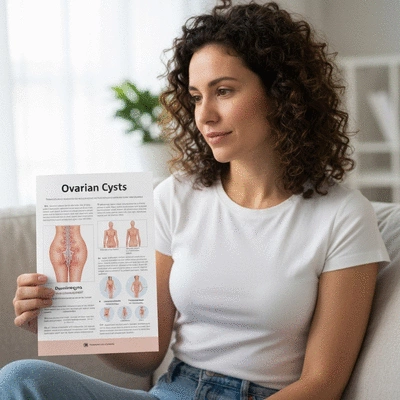
Symptoms and Challenges Associated with Ovarian Cysts
Many women with ovarian cysts may not even notice symptoms. However, others may experience discomfort that can affect their daily lives. Common symptoms include:
- Abdominal pain, particularly during menstruation
- Bloating or swelling in the abdomen
- Changes in menstrual cycles, such as irregular periods
- Pressure or pain during intercourse
If you’re experiencing any of these symptoms, it’s important to consult with your healthcare provider. At Ovarian Cysts Wellness, we are dedicated to providing information that can guide you towards effective management strategies, including natural ways to ease ovarian cyst pain!
Importance of Pelvic Floor Health in Ovarian Cyst Management
Maintaining a healthy pelvic floor is crucial if you're dealing with ovarian cysts. A strong pelvic floor can help alleviate discomfort and improve your overall well-being. Incorporating pelvic floor exercises can lead to better support and function in your reproductive organs.
- Kegel exercises: Strengthen pelvic muscles to reduce discomfort.
- Mindfulness practices: Help you tune into your body and understand its signals.
- Gentle stretching: Can relieve tension in the pelvic area.
By focusing on your pelvic floor health, you’re taking an active role in your wellness journey, which is exactly what I hope to inspire through Ovarian Cysts Wellness. Remember, every bit of care you give to your body contributes to your overall comfort and health!
We Want to Hear From You!
As we continue our exploration of ovarian cysts and their management, we’d love to know your thoughts! Have you tried integrating yoga or nutrition into your wellness routine? Share your experiences below:
Integrating Yoga with Medical Treatments for Ovarian Cysts
As we navigate the journey of managing ovarian cysts, integrating yoga into our treatment plan can be a valuable addition. It's essential to remember that yoga complements medical treatments rather than replaces them. By discussing and combining these approaches, we can optimize our health journey together!
To start, having an open dialogue with your healthcare provider about yoga is key. They can provide insights tailored to your specific situation, ensuring both safety and effectiveness in your approach.
How to Discuss Yoga Practice with Your Healthcare Provider
When you approach your healthcare provider, it's helpful to come prepared. Here are some points to cover:
- Share your interest in yoga and how it aligns with your personal wellness goals.
- Discuss any current symptoms or concerns related to your ovarian cysts.
- Ask about any specific precautions or modifications to consider while practicing.
- Request recommendations for integrating yoga with your existing treatment plan.
By presenting a thoughtful approach, your healthcare provider will likely appreciate your proactive stance on managing your health and wellness.

Complementary Approaches to Enhance Treatment Outcomes
Incorporating yoga alongside medical treatments can yield remarkable benefits for managing ovarian cysts. Here are some complementary approaches to consider:
- Regular check-ups with your healthcare provider to monitor cyst changes.
- Mindfulness practices to reduce stress and promote emotional well-being.
- Physical activity tailored to your comfort level, such as gentle walking or swimming.
- Utilizing relaxation techniques, like meditation, to enhance your yoga practice.
Combining these strategies can help create a well-rounded treatment plan that addresses both physical and emotional aspects of health. For more on this topic, refer to yoga for ovarian cyst relief.
FAQs About Ovarian Cysts and Management
- What are ovarian cysts?
- Ovarian cysts are fluid-filled sacs that develop on the ovaries. They can vary in size and impact, with some resolving on their own and others requiring medical attention.
- What are the different types of ovarian cysts?
- Common types include functional cysts (follicular and corpus luteum cysts), dermoid cysts (containing various tissues), and endometriomas (linked to endometriosis).
- What are the common symptoms of ovarian cysts?
- Symptoms can include abdominal pain (especially during menstruation), bloating, irregular menstrual cycles, and discomfort during intercourse. However, many women experience no symptoms.
- How can pelvic floor health help manage ovarian cysts?
- Maintaining a strong pelvic floor through exercises like Kegels and gentle stretching can help alleviate discomfort and improve overall well-being by supporting reproductive organs.
- Can yoga be integrated with medical treatments for ovarian cysts?
- Yes, yoga can complement medical treatments. It's crucial to discuss your interest in yoga with your healthcare provider to ensure safety and effectiveness and to tailor modifications to your specific situation.
- What role does nutrition play in managing ovarian cysts?
- Nutrition is vital. Focusing on anti-inflammatory foods (fruits, vegetables, whole grains) and healthy fats can support hormonal balance. Herbal remedies like chaste tree or evening primrose oil may also be considered, but always consult a healthcare provider first.
Incorporating Nutrition and Herbal Remedies into Your Cyst Management Plan
Nutrition plays a crucial role in managing ovarian cysts, and integrating it with your yoga practice can amplify your results. Here are some dietary suggestions to consider:
- Focus on anti-inflammatory foods such as fruits, vegetables, and whole grains.
- Include healthy fats like avocados and nuts to support hormonal balance.
- Consider herbal remedies like chaste tree or evening primrose oil—but be sure to consult your healthcare provider first!
As you nourish your body with wholesome foods, you'll likely find that your yoga practice becomes more enjoyable and effective. Remember, at Ovarian Cysts Wellness, we’re committed to empowering you with knowledge and resources to support your journey!
Recap of Key Points
Here is a quick recap of the important points discussed in the article:
- Ovarian cysts are fluid-filled sacs on the ovaries that can vary in size and impact.
- Common types include follicular cysts, corpus luteum cysts, dermoid cysts, and endometriomas.
- Symptoms may include abdominal pain, bloating, and changes in menstrual cycles; consulting a healthcare provider is essential.
- Maintaining pelvic floor health through exercises like Kegels can help manage discomfort.
- Integrating yoga with traditional medical treatments can enhance overall well-being.
- Nutrition plays a critical role; focus on anti-inflammatory foods and consult a healthcare provider before using herbal remedies.
 Understanding ovarian cysts can feel overwhelming, especially if you're navigating discomfort on you
 Building your personalized self-care kit can be a transformative experience, especially during chall
 Many women are unaware that ovarian cysts are a common issue, with many experiencing them at some po