Functional Cysts
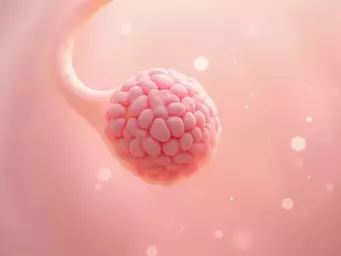
Most common, often resolve on their own.
Posted on: 2025-10-20
By: Edyta Drabek
When it comes to understanding ovarian cysts, many women find themselves navigating a landscape of confusion and discomfort. Recognizing the symptoms and types of cysts can empower you on your health journey. Let's explore key insights that can help you feel more informed and in control.
Key aspects of ovarian cysts, from common types to associated symptoms and the link with PCOS.
Most common, often resolve on their own.
Can contain tissue like hair, may require surgery.
Linked to endometriosis, can have severe symptoms.
Understanding ovarian cysts is a crucial step for many women, especially when dealing with discomfort. Ovarian cysts are fluid-filled sacs that develop on the ovaries. They can be a common occurrence and often go unnoticed, but sometimes they can lead to pain or other symptoms that require attention.
As someone who believes in empowering women through knowledge, I want you to know that you're not alone if you’ve experienced these cysts. Many women will deal with them at some point in their lives, making it essential to recognize what they are and how they can affect your well-being. For more comprehensive information, explore our guide on understanding ovarian cysts and symptoms.
Ovarian cysts can form during your menstrual cycle as part of the natural process. The most common type is called a functional cyst, which develops when the follicle doesn't release an egg. These cysts usually resolve on their own without causing issues. However, other types, such as dermoid or endometriomas, can be more complex and may require medical attention.
Recognizing the type of cyst you have is important for managing any symptoms or discomfort. It's always a good idea to consult with a healthcare professional to get accurate information regarding your specific situation.
Many women with ovarian cysts may not experience any symptoms at all. However, when they do manifest, some common ones include:
Understanding these symptoms can help you recognize when it might be time to seek advice or treatment. If you find yourself experiencing these signs frequently, remember that you're not alone in this journey. Discover various natural ways to ease ovarian cyst pain.
Polycystic ovarian syndrome (PCOS) is a condition that can be linked to ovarian cysts. Women with PCOS often have multiple cysts on their ovaries, along with other symptoms such as irregular periods and hormonal imbalances. It’s essential to recognize this connection because managing PCOS may also help alleviate ovarian cyst symptoms.
If you suspect you may have PCOS, discussing this condition with your healthcare provider can lead to better insights and tailored management strategies.
Did you know? Keeping a symptom diary can significantly help in managing ovarian cysts. Documenting your symptoms, menstrual cycle, and lifestyle choices can provide valuable insights to discuss with your healthcare provider, leading to more personalized treatment strategies.
A: Ovarian cysts are fluid-filled sacs that develop on the ovaries. They are very common and often resolve on their own, but some types may require medical attention.
A: The primary types include functional cysts (most common, often resolve naturally), dermoid cysts (can contain various tissues and may need surgery), and endometriomas (linked to endometriosis and can cause severe symptoms).
A: Many women experience no symptoms. However, common symptoms can include pelvic pain (dull ache or sharp pain), menstrual irregularities (changes in cycle), and abdominal discomfort (bloating or pressure).
A: Polycystic Ovarian Syndrome (PCOS) is a condition where women often have multiple cysts on their ovaries. PCOS is also associated with irregular periods, hormonal imbalances, and weight gain, which can exacerbate cyst symptoms.
A: Yes, lifestyle changes such as maintaining a balanced diet, staying hydrated, prioritizing sleep, and engaging in regular physical activity can support hormonal balance and help manage ovarian cyst symptoms.
A: Embracing a consistent mindfulness practice, including meditation and deep breathing, can help cultivate peace and balance, aiding in managing discomfort and promoting overall well-being during challenging times.
When it comes to managing the discomfort of ovarian cysts, mindfulness can be a powerful ally. By embracing a consistent mindfulness practice, you can cultivate peace and balance in your daily life. It’s all about finding what resonates with you and integrating it into your routine. Let’s explore how to build this practice and make it a sustainable part of your wellness journey!
Starting a mindfulness practice is like planting a seed; with nurturing and care, it can grow into something beautiful. Here are some simple steps to help you get started:
Even five minutes of focused breathing can make a difference! It’s essential to approach this practice with kindness to yourself. Remember, it’s okay to have days where your mind wanders; what matters is coming back to your breath and being present.
Mindfulness isn’t just about meditation; it also encourages positive lifestyle changes that promote hormonal balance. Here’s how you can enhance your overall well-being:
Making these changes can be transformative! They work hand-in-hand with mindfulness to create a holistic approach to managing ovarian cyst symptoms. For more insights on wellness, consider these natural ways for ovarian cyst relief.
Physical activity is essential in managing pain, especially for conditions like ovarian cysts. Engaging in regular exercise releases endorphins, which act as natural pain relievers. Here are some activities you might consider:
Finding physical activities that you enjoy will not only help alleviate pain but also enhance your overall mood! Remember, it’s important to listen to your body and adapt your routine as needed. You deserve to feel good!
Here is a quick recap of the important points discussed in the article: