Research shows that a balanced diet can significantly alleviate the symptoms of ovarian cysts. Are you ready to discover how the right foods can make a difference in your health journey?
What You Will Learn
Diet plays a crucial role in managing ovarian cyst symptoms by impacting hormonal balance.
Incorporating high-fiber foods, such as whole grains and fruits, helps stabilize blood sugar levels and improve digestion.
Lean proteins are essential as they assist in reducing inflammation associated with ovarian cysts.
Omega-3 fatty acids from sources like fatty fish and chia seeds can help combat inflammation and support hormonal balance.
Magnesium-rich foods, including dark leafy greens and nuts, contribute to hormonal regulation and symptom relief.
Choosing whole foods over processed ones can enhance overall health and mitigate symptoms of ovarian cysts.
Dietary Support for Ovarian Cyst Symptom Relief
Understanding how specific food groups can impact hormonal balance and inflammation is key to managing ovarian cyst symptoms. Below is a visual guide to essential dietary components.
Essential Dietary Components for Ovarian Cyst Symptom Management
✓
Fiber:
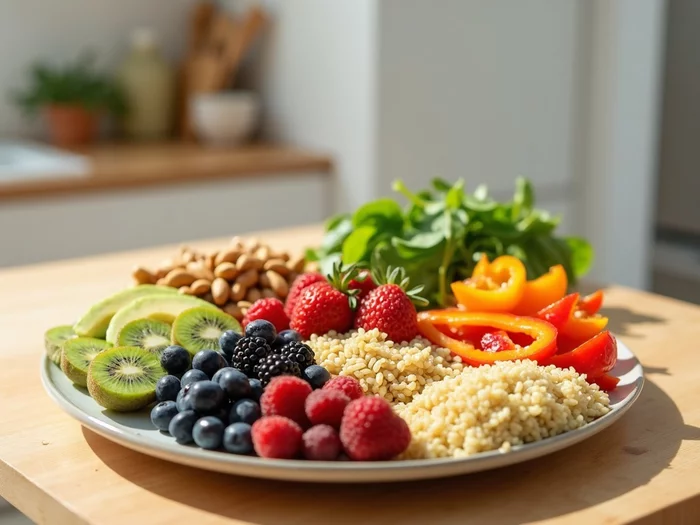
Quinoa, Berries, Spinach
✓
Lean Protein:
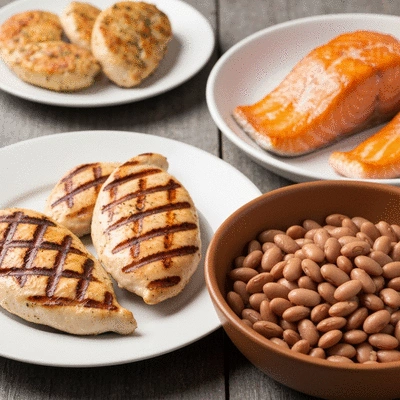
Chicken, Salmon, Lentils
✓
Omega-3s:
Sardines, Flaxseeds, Walnuts
✓
Magnesium:
Kale, Pumpkin Seeds, Oats
Anti-Inflammatory Allies
✓Turmeric: Powerful anti-inflammatory properties.
✓Ginger: Aids digestion and reduces nausea.
✓Garlic: Boosts immunity and overall health.
Whole vs. Processed Foods
Whole Foods (Recommended)
Fruits, Vegetables, Whole Grains. Nutrient-rich for hormonal balance.
Processed Foods (Avoid)
Additives, Sugars. Can disrupt hormones and worsen symptoms.
Understanding the Impact of Diet on Ovarian Cyst Symptoms
When it comes to managing ovarian cyst symptoms, your diet plays a crucial role. What you eat can significantly impact your hormonal balance and overall ovarian health. It's fascinating how certain foods can alleviate discomfort while others may exacerbate symptoms. By tailoring your diet, you can take meaningful steps towards feeling better.
For instance, foods rich in specific nutrients can help regulate hormonal levels, which is essential for those of us dealing with ovarian cysts. I’ve seen firsthand how making simple dietary changes can lead to noticeable improvements in symptoms. Let’s explore how diet can become a supportive ally in your wellness journey. You can also explore natural ways for ovarian cyst relief to complement your dietary changes.
How Diet Plays a Role in Hormonal Balance and Ovarian Health
Diet influences our hormones more than we might realize. Nutrient-rich foods can help maintain hormonal balance, which is crucial in managing ovarian cyst symptoms. Here are some key connections:
Healthy Fats: Foods like avocados and nuts support hormone production.
Fruits and Vegetables: These are packed with antioxidants that combat inflammation.
Whole Grains: They help maintain stable blood sugar levels, which can impact hormone levels.
By focusing on a balanced diet, we can work towards reducing the impact of ovarian cysts on our daily lives. Each food choice helps create a supportive environment for our bodies, so it's important to be mindful of what we consume!
Recognizing the Symptoms of Ovarian Cysts
Understanding the symptoms of ovarian cysts is a vital part of managing your health. Common symptoms include:
Pelvic pain or discomfort during menstrual cycles
Irregular periods or changes in menstrual flow
Bloating or swelling in the abdomen
These symptoms can often impact daily life, making it challenging to engage in activities we love. If you find yourself experiencing these issues, remember that you’re not alone. In our community at Ovarian Cysts Wellness, many women share similar experiences, and together, we can explore ways to find relief. For more detailed information on symptoms, consider understanding ovarian cysts and symptoms.
Essential Foods to Include in a Balanced Diet for Ovarian Cyst Relief
Incorporating specific foods into your diet can significantly aid in alleviating symptoms associated with ovarian cysts. Let’s dive into some essential food categories that can support your journey toward better health!
High-Fiber Foods: A Key Component for Symptom Management
High-fiber foods are essential for maintaining a balanced diet and can be incredibly beneficial for managing ovarian cyst symptoms. Here are some fantastic options:
Whole grains like quinoa and brown rice
Fruits such as berries and apples
Vegetables including broccoli and spinach
Including these foods not only helps regulate digestion but also stabilizes blood sugar levels. This balance can lead to improved hormonal health, making fiber an important ally in your dietary strategy!
Lean Proteins and Their Role in Reducing Inflammation
Incorporating lean proteins into your meals can support your body's natural processes. Excellent sources include:
Chicken and turkey
Fish like salmon and mackerel
Legumes such as lentils and chickpeas
These protein sources help reduce inflammation in the body, which is particularly beneficial for those dealing with ovarian cysts. You may find that including these foods can provide a sense of nourishment and balance in your diet!
Incorporating Omega-3 Fatty Acids for Enhanced Health
Omega-3 fatty acids are renowned for their anti-inflammatory properties. Including foods that are high in omega-3s can be a game-changer for your overall health. Some top sources are:
Fatty fish like sardines and trout
Chia seeds and flaxseeds
Walnuts
Adding these foods to your diet can help support hormonal balance and reduce symptoms associated with ovarian cysts. Imagine enjoying a delicious salmon dinner while also benefiting your health!
Magnesium-Rich Foods: Supporting Your Body Naturally
Magnesium is a vital mineral that plays a role in numerous bodily functions, including hormonal regulation. Foods rich in magnesium include:
Dark leafy greens like kale and Swiss chard
Nuts and seeds, such as pumpkin seeds
Whole grains like oats
Increasing your magnesium intake can help alleviate symptoms associated with ovarian cysts. I encourage you to consider how you can incorporate these foods into your meals for added support!
Anti-Inflammatory Foods to Combat Symptoms
Certain foods have natural anti-inflammatory effects that can help ease symptoms of ovarian cysts. Consider adding these to your diet:
Turmeric, known for its powerful anti-inflammatory properties
Ginger, which may help with nausea and digestive issues
Garlic, which can enhance overall health and immunity
These ingredients can be easily incorporated into your cooking, allowing you to enjoy flavorful dishes while nurturing your body!
Whole Foods vs. Processed Foods: Making the Right Choices
When it comes to your diet, choosing whole foods over processed ones can make a significant difference in how you feel. Whole foods, such as:
Fruits and vegetables
Whole grains
Unprocessed meats
are packed with essential nutrients that support hormonal balance and overall health. In contrast, processed foods often contain additives and sugars that can disrupt hormonal levels and exacerbate symptoms. Making mindful choices can truly transform your health journey! You can also explore natural ways to ease ovarian cyst pain through diet and other remedies.
Pro Tip
Did you know? Incorporating anti-inflammatory spices such as turmeric and ginger into your meals can significantly enhance your dietary approach to managing ovarian cyst symptoms. These spices not only add flavor but also offer powerful health benefits, helping to reduce inflammation and discomfort. Try adding a pinch of turmeric to your smoothies or a slice of ginger to your teas for an extra health boost!
Frequently Asked Questions About Diet and Ovarian Cysts
How does diet affect ovarian cyst symptoms?
Diet plays a crucial role by influencing hormonal balance and inflammation in the body. Certain foods can help regulate hormones and reduce inflammation, thereby alleviating symptoms, while processed foods or those high in sugar can exacerbate them.
What types of foods are beneficial for managing ovarian cysts?
Beneficial foods include high-fiber options (whole grains, fruits, vegetables), lean proteins (chicken, fish, legumes), omega-3 fatty acids (fatty fish, flaxseeds), and magnesium-rich foods (dark leafy greens, nuts). Anti-inflammatory spices like turmeric and ginger are also helpful.
Why are high-fiber foods important for ovarian cyst relief?
High-fiber foods help stabilize blood sugar levels and improve digestion, which can lead to better hormonal balance. This is a key factor in managing and reducing ovarian cyst symptoms.
Should I avoid any specific foods if I have ovarian cysts?
It's generally recommended to avoid processed foods, excessive sugars, and foods with artificial additives, as these can disrupt hormonal balance and potentially worsen symptoms.
Can diet alone cure ovarian cysts?
While a balanced diet can significantly help manage and alleviate ovarian cyst symptoms, it's not typically a cure. It's an important part of a holistic management strategy that should ideally be discussed with a healthcare professional.
Summarizing the Role of Diet in Ovarian Cyst Symptom Relief
As we’ve explored, a balanced diet plays a crucial role in managing ovarian cyst symptoms and promoting overall health. Understanding the connection between what we eat and how we feel is empowering. It gives you the opportunity to make informed choices that can help alleviate discomfort and improve your quality of life!
By focusing on nutrient-rich foods and making conscious dietary decisions, you can potentially reduce the impact of ovarian cysts on your daily life. Remember, it’s not just about what you avoid; it’s about embracing a lifestyle that supports your wellness journey.
Incorporate high-fiber foods: These help balance hormones and promote digestive health.
Choose lean proteins: They can assist in reducing inflammation and stabilizing energy.
Embrace healthy fats: Omega-3 fatty acids are key players in combating inflammation.
Stay hydrated: Adequate water intake is essential for overall health and symptom management.
In summary, the right dietary choices can support your body’s natural ability to manage and relieve ovarian cyst symptoms. Let this knowledge guide you towards a more balanced and healthful lifestyle!
Taking Action for Better Health: Start Your Dietary Journey Today
Now that you have the tools and knowledge at your fingertips, it’s time to take action! Start by implementing small dietary changes that align with your health goals. You don’t have to do it all at once—gradually introducing new foods can make the transition easier and more sustainable.
If you’re unsure where to begin, consider keeping a food diary to track what you eat and how it affects your body. This can provide valuable insights into your dietary habits and highlight areas for improvement. And don't forget—consulting with a healthcare professional can provide personalized advice tailored specifically to your needs.
Assess your current diet: Identify areas you can improve, such as incorporating more whole foods.
Set realistic goals: Focus on achievable changes rather than overwhelming yourself.
Find support: Whether through friends, family, or community groups, surrounding yourself with encouragement can make a difference.
At Ovarian Cysts Wellness, we're here to support you every step of the way on this journey. Remember, you’re not alone—let’s embrace this path to better health together!
Recap of Key Points
Here is a quick recap of the important points discussed in the article:
Incorporate high-fiber foods: These help balance hormones and promote digestive health.
Choose lean proteins: They can assist in reducing inflammation and stabilizing energy.
Embrace healthy fats: Omega-3 fatty acids are key players in combating inflammation.
Stay hydrated: Adequate water intake is essential for overall health and symptom management.
Focus on whole foods: Opt for unprocessed options to support hormonal balance.
Subscribe & Share
2025-11-23
Hormones and Ovarian Cyst Growth
Understanding ovarian cysts can feel overwhelming, especially if you're navigating discomfort on you
2025-11-15
Self-Care Kit for Period Relief
Building your personalized self-care kit can be a transformative experience, especially during chall
2025-11-13
Understanding Ovarian Cyst Pain
Many women are unaware that ovarian cysts are a common issue, with many experiencing them at some po
Ovarian Cysts Wellness
Your trusted resource for understanding ovarian cysts and discovering natural management strategies. We empower women aged 18-45 with holistic insights and practical guidance for comfort and balance.
Trusted by women seeking gentle relief, our mission is to provide reliable, empathetic information backed by Edyta Drabek's expertise in holistic health and wellness.
Have you ever considered how much your pelvic heal
Ovarian Cysts Wellness Insights
Tip — Understanding ovarian cysts can feel overwhelming. Take a deep breath; you're not alone. Knowing the basics empowers you to manage symptoms more effectively.
Tip — For natural relief, try incorporating gentle yoga. Simple stretches can ease tension and nurture your mind and spirit. Your body will thank you!
Tip — Enhance your comfort with self-care products like a heat therapy wrap. It offers immediate relief and a moment to unwind. Discover my top picks!
Tip — Your wellness journey is unique. Keep a journal to track what brings you comfort. Your experiences can light the way for others in our community.
Tip — Explore natural management strategies blending research-based insights with practical lifestyle tips. Edyta Drabek guides you on your path to balance and self-care.