Understanding ovarian cysts is crucial for women's health, especially since many experience them without even realizing it. As you navigate this journey, knowledge can be your greatest ally.
What You Will Learn
Ovarian cysts are common and often harmless, typically resolving on their own.
Types of ovarian cysts include functional cysts (harmless) and pathological cysts (which may require monitoring).
Risk factors for developing ovarian cysts include hormonal imbalances, age, and previous cysts.
Recognizing symptoms like severe pelvic pain or changes in your menstrual cycle is essential for timely medical consultation.
Maintaining a healthy lifestyle through balanced nutrition and exercise can support ovarian health.
Understanding Ovarian Cysts: Key Factors & Types
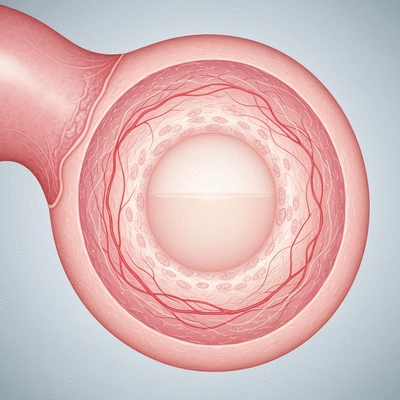
Ovarian cysts are common and often benign, but understanding their causes, types, and risk factors is essential for proactive health management. The visual below summarizes key aspects to help you stay informed. For a deeper dive into common symptoms and their implications, explore our article on understanding ovarian cysts and symptoms.
Corpus Luteum: Follicle fills with fluid after egg release.
Pathological: Less common, due to endometriosis or tumors.
Fluid-filled sacs on ovaries, mainly due to hormonal fluctuations.
Common Risk Factors
Hormonal Imbalances: Disruptions can lead to cyst formation.
Age: Women in reproductive years are at higher risk.
Previous Cysts: Increased likelihood of recurrence.
Medical Conditions: Endometriosis, PCOS increase risk.
Awareness aids proactive health steps.
Understanding Ovarian Cysts: A Simple Overview
Understanding ovarian cysts can feel overwhelming, but it doesn't have to be. These fluid-filled sacs form on the ovaries and are common among women of all ages. In fact, many women will experience an ovarian cyst at some point in their lives, often without even realizing it! Let's break down the basics together.
Ovarian cysts occur when the ovaries are in the process of releasing an egg or due to hormonal imbalances. They can develop for a variety of reasons, and while many cysts are harmless and go away on their own, it's essential to understand what they are and how they can affect your health.
What Are Ovarian Cysts and Why Do They Occur?
Ovarian cysts are small, fluid-filled sacs that form on or within an ovary. They usually develop during the menstrual cycle, particularly during ovulation. Sometimes, they can cause discomfort, but often they don’t present any symptoms at all. If you find yourself wondering why these cysts occur, it's mainly due to the natural hormonal fluctuations in your body.
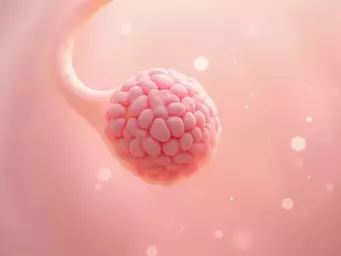
Follicular Cysts: These form when the follicle doesn't release the egg and continues to grow.
Corpus Luteum Cysts: After the egg is released, the follicle turns into the corpus luteum, which can sometimes fill with fluid.
Pathological Cysts: These are less common and can occur due to conditions like endometriosis or tumors.
Being informed about these types of cysts can empower you. If you ever feel any unusual symptoms, don't hesitate to reach out to a healthcare provider for advice!
Types of Ovarian Cysts: A Brief Introduction
There are several types of ovarian cysts, and understanding them can help you identify what might be happening in your body. The two main categories are functional cysts and pathological cysts.
Functional Cysts: These are the most common and usually harmless.
Pathological Cysts: These may require further monitoring or treatment.
It’s important to know that each type may have different implications for your health. At Ovarian Cysts Wellness, we’re committed to providing you with information that helps you make informed decisions regarding your health. For more detailed information, consider reading our article on understanding ovarian cyst types.
Common Risk Factors for Developing Ovarian Cysts
While ovarian cysts are common, certain factors can increase your likelihood of developing them. It's helpful to be aware of these risk factors so you can take proactive steps for your health!
Hormonal Imbalances: Conditions that disrupt your hormonal balance can lead to cyst formation.
Age: Women in their reproductive years are at a higher risk.
Previous Ovarian Cysts: If you’ve had cysts before, you're more likely to develop them again.
Medical Conditions: Conditions like endometriosis or polycystic ovary syndrome (PCOS) can increase risk.
Understanding these risk factors is a step toward taking charge of your health. Remember, knowledge is power, and I'm here to support you on your journey!
Pro Tip
Did you know? Keeping a symptom diary can be incredibly beneficial when managing ovarian cysts. By tracking your menstrual cycle, any associated symptoms, and lifestyle factors such as diet and stress levels, you can gain valuable insights into your body’s patterns. This information can aid in discussions with your healthcare provider, helping them to tailor treatment options that best suit your needs.
Summarizing Key Points About Ovarian Cysts
As we wrap up our discussion on ovarian cysts, it’s vital to highlight the most important aspects we've covered. Ovarian cysts are often a natural part of the menstrual cycle, but understanding their various types and characteristics can help you manage your health better. Here’s a quick recap:
Functional Cysts: These are the most common and typically resolve on their own.
Benign Cysts: Types like dermoid cysts and endometriomas can cause symptoms but are generally non-cancerous.
Simple vs. Complex Cysts: Knowing the difference can be crucial in determining the right course of action.
Recognizing these key points allows you to be more informed and proactive about your health. Remember, knowledge is empowering, and understanding your body is essential in managing ovarian cysts effectively.
Final Thoughts on Managing Ovarian Cysts Effectively
Managing ovarian cysts doesn’t have to be overwhelming. At Ovarian Cysts Wellness, we believe in a holistic approach that combines education, lifestyle changes, and natural remedies. Here are some effective strategies to consider:
Regular Check-ups: Schedule routine visits with your healthcare provider to monitor your cysts and overall health.
Healthy Lifestyle: Incorporate a balanced diet and regular exercise to support your hormonal health.
Mindful Practices: Engage in stress-reducing activities like yoga or meditation to maintain emotional balance.
By incorporating these strategies, you can enhance your well-being and feel more in control of your health. Remember, self-care is essential, and taking the time to understand and manage your cysts can lead to a more comfortable life.
Engaging with Your Health: A Call to Action
When to Consult a Healthcare Provider
It's vital to know when to reach out for professional help. If you experience any of the following symptoms, don't hesitate to consult your healthcare provider:
Severe pelvic pain that interrupts your daily activities
Changes in your menstrual cycle
Unexplained weight gain or loss
Persistent bloating or pressure
Your health is a priority, and timely consultation can make a significant difference in managing ovarian cysts effectively. Trust your instincts; if something feels off, it’s always best to seek guidance.
Resources for Further Information and Support
At Ovarian Cysts Wellness, we provide an array of resources to help you on your journey. You can find valuable articles, wellness tips, and product recommendations tailored to support your needs. Here are some valuable resources:
Educational Articles: Dive deeper into various topics related to ovarian cysts on our blog.
Wellness Inspiration: Discover natural remedies and lifestyle tips tailored for women.
Product Recommendations: Explore our carefully curated list of products that support everyday wellness.
These resources can empower you to take charge of your health journey and foster a greater understanding of ovarian cysts. For additional guidance on managing the discomfort, check out our article on natural ways to ease ovarian cyst pain.
Frequently Asked Questions About Ovarian Cysts
Here are some common questions about ovarian cysts to help you better understand this condition:
What exactly are ovarian cysts? Ovarian cysts are fluid-filled sacs that form on or within an ovary. They are very common and often develop during the menstrual cycle.
Are all ovarian cysts harmful? No, most ovarian cysts are functional cysts, which are harmless and typically resolve on their own without treatment. Pathological cysts are less common and may require monitoring.
What causes ovarian cysts to form? Ovarian cysts primarily occur due to natural hormonal fluctuations during the menstrual cycle, such as when a follicle doesn't release an egg or fills with fluid after ovulation.
What are the common symptoms of ovarian cysts? Many ovarian cysts don't cause any symptoms. However, when symptoms do occur, they can include pelvic pain, changes in your menstrual cycle, bloating, or pressure. Severe pain warrants immediate medical attention.
When should I see a doctor for an ovarian cyst? You should consult a healthcare provider if you experience severe pelvic pain, sudden changes in your menstrual cycle, unexplained weight changes, or persistent bloating or pressure.
Can lifestyle changes help manage ovarian cysts? Yes, maintaining a healthy lifestyle, including a balanced diet, regular exercise, and stress-reducing practices like yoga or meditation, can support hormonal health and overall well-being.
Patient Support Groups and Health Education Opportunities
Connecting with others who understand what you’re going through can be incredibly comforting. Consider engaging with support groups or health education opportunities in your area. They can offer:
Shared Experiences: Hearing from others can provide reassurance and insights.
Educational Workshops: Attend workshops to learn more about managing ovarian cysts and improving your overall health.
Networking: Build connections with women facing similar challenges.
At Ovarian Cysts Wellness, we are committed to fostering a supportive community where you can find both information and encouragement. Remember, you are not alone on this journey, and together, we can navigate the complexities of ovarian health.
Recap of Key Points
Here is a quick recap of the important points discussed in the article:
Understanding Ovarian Cysts: These fluid-filled sacs are common and often resolve on their own.
Types of Cysts: Familiarity with functional and pathological cysts can aid in understanding their implications.
Risk Factors: Be aware of factors such as hormonal imbalances and age that may increase the likelihood of developing cysts.
Management Strategies: Regular check-ups, a healthy lifestyle, and mindful practices can enhance overall wellness.
Consult Healthcare Providers: Seek professional advice if experiencing severe symptoms or changes in your menstrual cycle.
Subscribe & Share
2025-11-23
Hormones and Ovarian Cyst Growth
Understanding ovarian cysts can feel overwhelming, especially if you're navigating discomfort on you
2025-11-15
Self-Care Kit for Period Relief
Building your personalized self-care kit can be a transformative experience, especially during chall
2025-11-13
Understanding Ovarian Cyst Pain
Many women are unaware that ovarian cysts are a common issue, with many experiencing them at some po
Ovarian Cysts Wellness
Your trusted resource for understanding ovarian cysts and discovering natural management strategies. We empower women aged 18-45 with holistic insights and practical guidance for comfort and balance.
Trusted by women seeking gentle relief, our mission is to provide reliable, empathetic information backed by Edyta Drabek's expertise in holistic health and wellness.
What if the discomfort you're feeling could be a c
Ovarian Cysts Wellness Insights
Tip — Understanding ovarian cysts can feel overwhelming. Take a deep breath; you're not alone. Knowing the basics empowers you to manage symptoms more effectively.
Tip — For natural relief, try incorporating gentle yoga. Simple stretches can ease tension and nurture your mind and spirit. Your body will thank you!
Tip — Enhance your comfort with self-care products like a heat therapy wrap. It offers immediate relief and a moment to unwind. Discover my top picks!
Tip — Your wellness journey is unique. Keep a journal to track what brings you comfort. Your experiences can light the way for others in our community.
Tip — Explore natural management strategies blending research-based insights with practical lifestyle tips. Edyta Drabek guides you on your path to balance and self-care.