Ovarian Cysts: Functional vs. Pathological
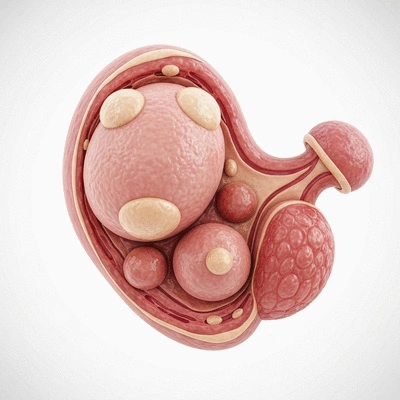
Functional Cysts
- Most common type
- Normal part of menstrual cycle
- Usually resolve on their own
Pathological Cysts
- Indicate underlying issues
- Linked to endometriosis or tumors
- May require medical intervention
Posted on: 2025-10-20
By: Edyta Drabek
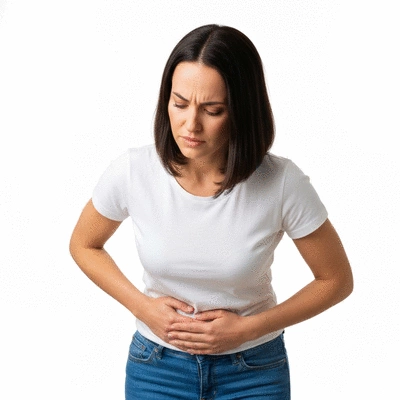
Understanding ovarian cysts can feel overwhelming, especially when you’re navigating discomfort on your own. Let’s take a moment to break this down together. First, it’s important to recognize that ovarian cysts are more common than you might think. In fact, many women will experience them at some point in their lives. If you’re feeling a bit anxious, take a deep breath. You are not alone in this journey.
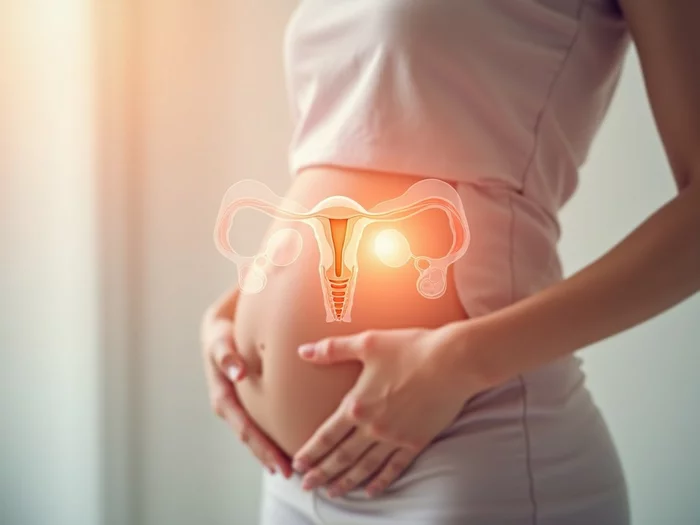
Ovarian cysts are common, but understanding their types and debunking common myths is crucial for women's health. This visual outlines the primary distinctions between cyst types and clarifies prevalent misconceptions. For a deeper dive into these classifications, explore our detailed guide on understanding ovarian cyst types.
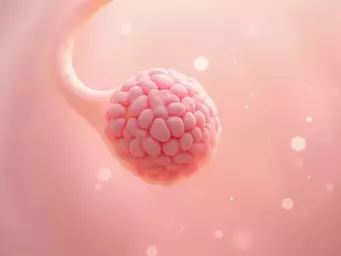
Ovarian cysts can feel daunting, but they are actually quite common among women. In fact, many women will experience at least one ovarian cyst in their lifetime. These fluid-filled sacs can vary in size and type, and while some might cause discomfort, most are harmless. Let’s take a closer look at what ovarian cysts are and why they occur. For insights into managing discomfort, consider exploring natural ways to ease ovarian cyst pain.
Ovarian cysts can develop during the menstrual cycle, often as a normal part of ovulation. However, they can also arise from other underlying conditions, such as polycystic ovary syndrome (PCOS). Understanding these dynamics can not only alleviate anxiety but also provide clarity on managing your health effectively.
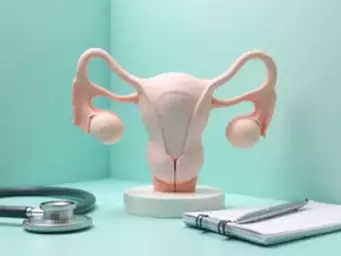
At their core, ovarian cysts are fluid-filled sacs that form on the ovaries. They are usually categorized as either functional or pathological. Functional cysts are the most common and typically develop during your menstrual cycle, while pathological cysts can be linked to conditions like endometriosis or tumors. Understanding these distinctions is essential for your overall wellness journey.
Recognizing the difference between these types can empower you to take charge of your health. Remember, if you experience any unusual symptoms, it’s always best to consult a healthcare provider for personalized advice.
To navigate the discussion about ovarian cysts, it's crucial to familiarize yourself with some key terms. For instance, functional cysts are linked directly to the menstrual cycle, while PCOS is a hormonal disorder that can lead to the formation of multiple cysts on the ovaries. Understanding these terms can help you make informed decisions regarding your health.
Being informed about these terms can not only ease your concerns but also enhance your conversations with healthcare professionals. Knowledge is power, especially when it comes to women's health.
There are several types of ovarian cysts, each with unique characteristics. Here’s a quick overview of the most common types:
Understanding these types can help you recognize symptoms and seek appropriate care when necessary. Each type has its own implications for your health, so being aware of their characteristics can be beneficial.
Endometriomas, often referred to as "chocolate cysts," can develop when endometrial tissue grows on the ovaries. This type of cyst can significantly impact reproductive health and may cause symptoms such as pain during menstruation or intercourse. It's important to monitor these cysts, as they can sometimes lead to complications.
Recognizing the significance of endometriomas is crucial for those who may experience challenging symptoms. Women's health is multifaceted, and understanding these aspects allows for better management and support. For further support on managing the emotional impact, consider reading about coping with ovarian cyst emotions.
Ovarian cysts are fluid-filled sacs that form on or within the ovaries. They are very common, and many women will experience them at some point in their lives.
No, most ovarian cysts are benign (non-cancerous) and often resolve on their own without treatment. However, some types, known as pathological cysts, may require medical attention.
Functional cysts are the most common type and are a normal part of the menstrual cycle, usually harmless. Pathological cysts indicate underlying issues like endometriosis or tumors and may require medical intervention.
Not always. Many ovarian cysts are asymptomatic, meaning they do not cause any symptoms and are often discovered incidentally during a pelvic exam or ultrasound.
While certain types of cysts, like endometriomas (chocolate cysts) or those related to PCOS, can impact fertility, many women with ovarian cysts can conceive without any issues. It's best to consult a healthcare provider if you have concerns.
Endometriomas, or "chocolate cysts," are a type of pathological cyst that forms when endometrial tissue (tissue similar to the lining of the uterus) grows on the ovaries. They can cause pelvic pain and impact reproductive health.
No, surgery is not the only option. Many cysts can be managed with watchful waiting, pain management, or medication. Surgical intervention is typically reserved for larger cysts, those causing severe symptoms, or those suspected of being pathological.
What has been your experience with ovarian cysts? Have you found any strategies or resources particularly helpful in managing your symptoms? Share your thoughts below:
As we wrap up our exploration of ovarian cysts, it's essential to highlight the key myths we've debunked throughout this article. Understanding the realities of ovarian cysts is crucial for every woman, especially when these misconceptions can lead to unnecessary fear and anxiety. Here’s a quick recap of the truths we've uncovered:
With this knowledge, you can approach your health with confidence and clarity. Remember, if you ever have concerns about your ovarian health, you are not alone—many women share similar experiences. At Ovarian Cysts Wellness, we’re here to ensure you feel supported and informed.
Now that you have a better understanding of ovarian cysts and the myths surrounding them, I encourage you to take proactive steps towards your health. Consulting with your healthcare provider is a great first move. They can offer personalized advice tailored to your situation and help alleviate any concerns you might have.
Additionally, I invite you to explore our resources at Ovarian Cysts Wellness. Joining support groups or engaging in community discussions can also provide valuable insights and comfort. Connecting with others who understand your journey can make a significant difference in navigating the challenges of ovarian cysts.
Remember, knowledge is empowering! You are taking a crucial step towards understanding your body and managing your health. Let’s walk this journey together towards wellness and balance. For more practical advice on managing symptoms, consider incorporating yoga for ovarian cyst relief into your routine.
Here is a quick recap of the important points discussed in the article: