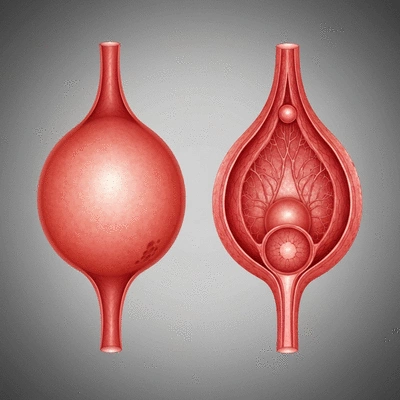
Functional Cysts
- Most common type
- Form during menstrual cycle
- Typically harmless
- Often resolve on their own
- Minimal impact on fertility
Posted on: 2025-10-20
By: Edyta Drabek
Have you ever wondered how something as seemingly simple as an ovarian cyst can affect your fertility and overall health? Understanding the different types and their implications is crucial for every woman. Let's explore what you need to know.
Ovarian cysts are common, with different types affecting women's health and fertility in various ways. Below is a comparison of key cyst types and their implications.
Ovarian cysts can be a confusing topic, but I’m here to help clarify what they are and how they form. Essentially, ovarian cysts are fluid-filled sacs that develop on or inside the ovaries. Most women will experience these cysts at some point in their lives, and while many are harmless, some can lead to discomfort or complications. Understanding the different types of cysts is crucial for managing your health and fertility. You can gain a deeper understanding of various types of ovarian cysts by reading our article on understanding ovarian cyst types.
As someone who is passionate about women's health, I believe it’s vital to educate ourselves about our bodies. The more informed we are, the better equipped we become to navigate our health journeys. Let’s dive into the different types of ovarian cysts and what they mean for your fertility.
Ovarian cysts are generally categorized as functional or pathological. Functional cysts are the most common type, forming during the menstrual cycle when the ovary releases an egg. In contrast, pathological cysts may arise from other conditions and can require further evaluation. Understanding these distinctions can help you feel more in control of your health.
It’s important to remember that not all cysts cause symptoms, and many women don’t even know they have them until they’re discovered during a routine exam. Awareness and regular check-ups are key! If you suspect you have a cyst or are experiencing discomfort, don't hesitate to reach out for support.
Let’s look at some common types of ovarian cysts and their potential impacts on fertility:
Each type of cyst has its unique characteristics and potential implications. It’s crucial to have open conversations with your healthcare provider to understand what these mean for you. Knowledge is power, especially when it comes to your reproductive health! For more information on understanding ovarian cysts and their symptoms, you can refer to our detailed guide.
There’s often confusion surrounding endometriosis and ovarian cysts. Endometriosis occurs when tissue similar to the lining of the uterus grows outside of it, which can lead to the formation of endometriomas. These cysts can cause significant pain and might affect your fertility if left untreated.
If you have endometriosis, being proactive about your health is vital. Connecting with a support network or a specialist can offer you the insights you need to manage both conditions effectively. Remember, you don’t have to navigate this journey alone!
Have you ever experienced discomfort from ovarian cysts? We would love to hear from you! Your insights can help others feel less alone in their journey. Please share your thoughts below:
It’s crucial to understand how ovarian cysts can impact fertility and conception. From hormonal imbalances to ovulatory disorders, these cysts can create a complex web of challenges for many women. I’ve seen through my work at Ovarian Cysts Wellness just how vital it is to grasp these connections. Let’s recap the key takeaways:
Recognizing these points is the first step in navigating your fertility journey. Remember, knowledge is power, and you have the ability to advocate for your own health!
If you’re dealing with ovarian cysts and are concerned about your fertility, I encourage you to consult healthcare professionals. They can provide personalized advice based on your unique situation. Here are some signs that it might be time to seek help:
These symptoms can be challenging, but you don't have to face them alone. Reaching out for guidance can make a significant difference in your journey towards wellness. For more insights into when to seek professional help, consider reading our article on when to seek help for ovarian cysts.
Ready to take charge of your health? I invite you to reach out to a fertility expert for a consultation! At Ovarian Cysts Wellness, we’re dedicated to empowering women with knowledge and support. Don’t hesitate to explore the options available to you. Contact us today for additional resources or personalized assistance. Your journey to understanding and managing ovarian cysts starts here!
A: Ovarian cysts are generally categorized as functional or pathological. Functional cysts are common and form during the menstrual cycle, often resolving on their own. Pathological cysts arise from other conditions and may require further evaluation.
A: Ovarian cysts can impact fertility in various ways, depending on their type. PCOS-related cysts can lead to hormonal imbalances and irregular ovulation, making conception difficult. Endometriomas can cause significant pain and may affect ovulatory function. While functional cysts typically have minimal impact, large cystadenomas might also interfere if they cause discomfort or require removal.
A: Endometriomas, often called "chocolate cysts," are linked to endometriosis, a condition where uterine-like tissue grows outside the uterus. These cysts can cause significant pain and may negatively affect fertility by disrupting normal ovarian function.
A: It's important to consult healthcare professionals if you experience persistent pelvic pain that doesn’t improve, irregular or missed menstrual cycles, or difficulty achieving or maintaining pregnancy. These symptoms could indicate a need for further evaluation and management of ovarian cysts.
A: No, most ovarian cysts, particularly functional cysts, are harmless and often resolve on their own without intervention. However, some types, like endometriomas or large cystadenomas, can cause discomfort, affect fertility, or require medical management.
Here is a quick recap of the important points discussed in the article: