When to Seek Help for Ovarian Cysts

Posted on: 2025-10-20
By: Edyta Drabek
Have you ever wondered how common ovarian cysts are? It might surprise you to learn that most women will experience them at some point in their lives. Understanding these fluid-filled sacs is essential for managing your health effectively. Let’s explore the key insights from this informative journey.
What You Will Learn
- Ovarian cysts are fluid-filled sacs that can develop on your ovaries, with many being harmless and resolving on their own.
- There are various types of ovarian cysts, including functional cysts, dermoid cysts, and endometriomas, each with unique characteristics.
- Symptoms of ovarian cysts can range from mild discomfort to severe pain, particularly if a cyst bleeds or ruptures.
- Post-diagnosis, regular monitoring and follow-up care are essential to track any changes and manage symptoms effectively.
- Treatment options vary from watchful waiting to surgical intervention, depending on the type and size of the cyst.
- Hormone therapy and pain management strategies can also be effective in alleviating symptoms and preventing cyst recurrence.
Understanding Ovarian Cysts: Types and Post-Diagnosis Journey
Ovarian cysts are common, and understanding their types and the post-diagnosis process is crucial for effective management. Below is a visual representation of common cyst types and key steps after diagnosis. For a deeper dive into their prevalence, consider reading our article on understanding ovarian cysts and their prevalence.
Common Ovarian Cyst Types
- Functional Cysts: Most common, often resolve on their own.
- Dermoid Cysts: Contain hair, skin, or teeth.
- Cystadenomas: Develop from ovarian tissue, fluid-filled.
- Endometriomas: Associated with endometriosis.
- Hemorrhagic Cysts: Bleeding within the cyst.
Post-Diagnosis Process
- 1. Initial Consultation: Discuss diagnosis and plan.
- 2. Regular Monitoring: Follow-up appointments (every few months).
- 3. Symptom Tracking: Record changes for provider.
- 4. Explore Treatments: Monitoring, surgery, hormone therapy.
- 5. Pain Management: OTC relief, natural remedies.
Understanding Ovarian Cysts and Their Symptoms
Ovarian cysts can be a confusing topic, but I’m here to help you understand what they are and how they can impact your health. In simple terms, an ovarian cyst is a fluid-filled sac that develops on one of your ovaries. They're fairly common, and most women will experience them at some point in their lives. While most cysts are harmless, some can cause discomfort or lead to complications if not monitored properly.
Knowing the basics about ovarian cysts empowers you to take control of your health. You might be wondering, “What types of cysts are out there?” Let’s dive into that!
What Is an Ovarian Cyst?
To put it plainly, an ovarian cyst is a small pouch that can form on an ovary. These pouches can vary in size and may contain fluid, tissue, or other materials. The good news is that many cysts are functional, meaning they occur as part of the menstrual cycle and usually resolve on their own without treatment. However, it’s essential to recognize that not all cysts are the same.
- Functional Cysts: These are the most common and usually harmless, often resolving without intervention.
- Dermoid Cysts: These can contain hair, skin, and even teeth, arising from cells that produce eggs.
- Cystadenomas: These develop from ovarian tissue and can be filled with a watery or mucous substance.
- Endometriomas: These are associated with endometriosis and may cause pain and discomfort.
Understanding these types helps you recognize that while most cysts are benign, some may require further attention. So, let's keep going!
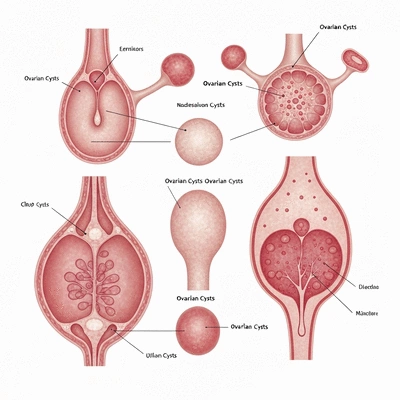
Common Types of Ovarian Cysts
Each type of ovarian cyst comes with its unique characteristics and potential symptoms. Familiarizing yourself with them can help in recognizing any troubling signs. Here are a few types you might encounter:
- Follicular Cysts: These form when the follicle doesn't release an egg during ovulation.
- Corpus Luteum Cysts: They occur after the follicle releases an egg and can sometimes bleed.
- Polycystic Ovarian Syndrome (PCOS): A condition where multiple cysts form due to hormonal imbalances.
Remember, while most of these cysts are harmless, they can still cause discomfort or complications, which is why awareness is essential. For more detailed insights into various types, explore our article on understanding ovarian cyst types. Now, let’s take a closer look at one specific type of cyst that often concerns women.
Understanding Hemorrhagic Cysts and Their Impact
Hemorrhagic cysts occur when a cyst bleeds or ruptures, leading to a mix of blood and fluid inside the sac. This can happen with both functional cysts, such as corpus luteum cysts, and other types. The impact of a hemorrhagic cyst can vary; some women may experience mild pain, while others may encounter more severe symptoms.
- Pain: This can range from mild to intense and is often felt during the menstrual cycle.
- Abdominal Discomfort: You may notice a sense of fullness or pressure in your abdomen.
- Spotting: Light bleeding or spotting may occur if the cyst ruptures.
If you experience any symptoms that concern you, remember that seeking guidance is crucial. At Ovarian Cysts Wellness, my goal is to empower you with knowledge and support as you navigate this journey.
Identifying Symptoms of Ovarian Cysts
Now that we’ve covered what ovarian cysts are and their common types, let’s discuss the symptoms associated with them. Identifying signs early can make a significant difference in your management strategy and overall wellness.
Quick Summary
Here's a brief recap of the key points discussed so far:
- Ovarian cysts are common fluid-filled sacs that can occur on the ovaries.
- Most cysts are functional and resolve on their own, though some types may require monitoring or treatment.
- Identifying symptoms early can greatly assist in managing health and well-being.
Post-Diagnosis: What to Expect After an Ovarian Cyst Diagnosis
Receiving an ovarian cyst diagnosis can feel overwhelming. But don’t worry; it's often a manageable condition! Understanding what comes next can help ease your anxiety and guide you on your wellness journey. At Ovarian Cysts Wellness, we believe knowledge is power, especially when navigating your health.
First and foremost, you will typically enter a recovery process that involves follow-up care. This is crucial as it helps monitor the cyst and your overall reproductive health. Regular check-ups can help us track any changes and adjust your management plan accordingly.
Recovery Process and Follow-Up Care
Your recovery might involve a few key steps. Here’s what you can typically expect:
- Initial Consultation: This is where your healthcare provider will discuss your diagnosis and outline a management plan.
- Regular Monitoring: Follow-up appointments may be scheduled every few months to check on the cyst's status.
- Symptom Tracking: Keeping a record of any changes in your symptoms can be beneficial for your healthcare provider.
- Support Resources: Consider joining a support group or community like Ovarian Cysts Wellness for shared experiences and insights.
Following these steps can help ensure you feel more in control of your health while fostering a supportive community around you.

Understanding Treatment Options: Monitoring and Surgery
When it comes to treatment, your options can vary based on the type and size of the cyst. Many women find themselves facing a decision between monitoring and surgical intervention. Here’s a breakdown of what to consider:
- Watchful Waiting: In many cases, doctors recommend this approach, especially if the cyst is small and asymptomatic.
- Surgical Options: If the cyst is large or causing significant discomfort, surgery might be necessary to remove it.
- Informed Choices: Always discuss your options with your healthcare provider to make decisions that best align with your health needs.
Remember, every woman's situation is unique, and what works for one person might not be the same for another. Your comfort and health should guide your choices.
Exploring Hormone Therapy and Pain Management Strategies
In addition to monitoring and surgical options, hormone therapy can be a viable route for some women, especially if cysts are linked to hormonal imbalances. Here are some strategies that might help:
- Birth Control Pills: These can help regulate your hormones and may reduce the frequency of cyst formation.
- Over-the-Counter Pain Relief: Nonsteroidal anti-inflammatory drugs (NSAIDs) can help alleviate discomfort.
- Natural Remedies: Incorporating lifestyle changes like diet and exercise can also support your body in managing symptoms. For more options, explore natural ways to ease ovarian cyst pain.
Finding the right approach might take some time, so don't hesitate to try different methods in collaboration with your healthcare team. After all, your health journey is personal, and we’re here to support you every step of the way!
Frequently Asked Questions About Ovarian Cysts
What exactly is an ovarian cyst?
An ovarian cyst is a fluid-filled sac that develops on one of your ovaries. They are very common, and most women will experience them at some point. While many are harmless, some can cause discomfort or lead to complications.
What are the common types of ovarian cysts?
Common types include functional cysts (the most frequent and usually harmless), dermoid cysts (which can contain hair, skin, or teeth), cystadenomas (fluid-filled from ovarian tissue), and endometriomas (associated with endometriosis).
What are the typical symptoms of ovarian cysts?
Symptoms can vary from mild discomfort to severe pain. Common signs include pelvic pain (especially during the menstrual cycle), abdominal discomfort or bloating, and spotting, particularly if a cyst ruptures or bleeds (hemorrhagic cyst).
What should I expect after an ovarian cyst diagnosis?
After a diagnosis, you can expect an initial consultation to discuss a management plan, regular monitoring through follow-up appointments, and symptom tracking. Support resources and exploring various treatment options will also be part of your journey.
What are the treatment options for ovarian cysts?
Treatment ranges from watchful waiting for small, asymptomatic cysts to surgical intervention for larger or symptomatic ones. Hormone therapy, such as birth control pills, can help regulate hormones and prevent recurrence. Pain management strategies, including OTC relief and natural remedies, are also often used.
Recap of Key Points
Here is a quick recap of the important points discussed in the article:
- Ovarian cysts are fluid-filled sacs that can develop on the ovaries and are common among women.
- There are different types of ovarian cysts, including functional, dermoid, cystadenomas, and endometriomas, each with unique characteristics.
- Symptoms of ovarian cysts may include pain, abdominal discomfort, and spotting, particularly with hemorrhagic cysts.
- Post-diagnosis, regular monitoring and follow-up care are essential to manage ovarian cysts effectively.
- Treatment options can range from watchful waiting to surgical intervention, depending on the type and size of the cyst.
- Hormone therapy and pain management strategies can help alleviate discomfort associated with ovarian cysts.
 Understanding ovarian cysts can feel overwhelming, especially if you're navigating discomfort on you
 Building your personalized self-care kit can be a transformative experience, especially during chall
 Many women are unaware that ovarian cysts are a common issue, with many experiencing them at some po