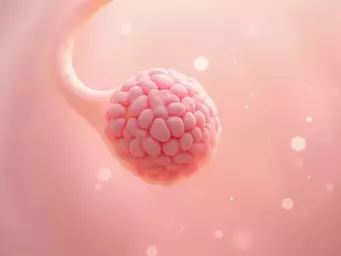
Functional Cysts
Most common, part of normal menstrual cycle. Typically harmless and resolve on their own.
- Follicular: Follicle doesn't release egg.
- Corpus Luteum: Forms after egg release, fills with fluid.
Usually resolve within a few cycles
Posted on: 2025-10-25
By: Edyta Drabek
Understanding ovarian cysts can feel overwhelming, especially when you’re navigating discomfort on your own. Let’s take a moment to break this down together. First, it’s important to recognize that ovarian cysts are more common than you might think. In fact, many women will experience them at some point in their lives. If you’re feeling a bit anxious, take a deep breath. You are not alone in this journey. Knowing what to look for and understanding the different types of cysts can empower you to manage your symptoms more effectively.
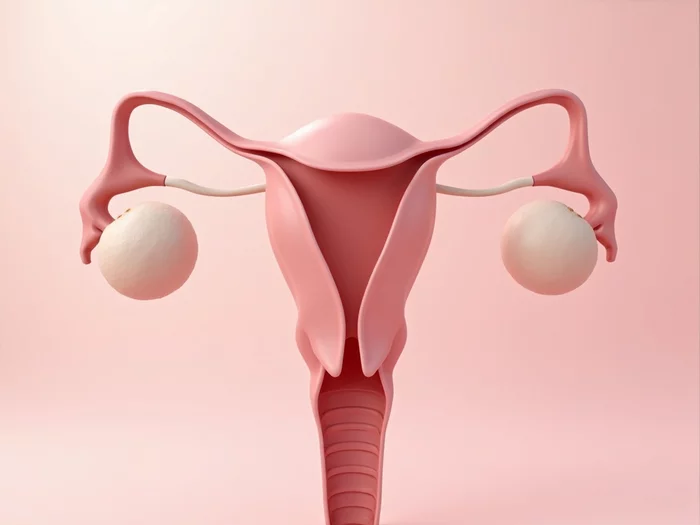
Ovarian cysts are common and often harmless, but understanding their types and characteristics is vital for every woman's health. The visual below highlights the key differences and implications of various ovarian cyst types. For a deeper dive into the specific characteristics of each type, consider reading our detailed guide on understanding ovarian cyst types.
Most common, part of normal menstrual cycle. Typically harmless and resolve on their own.
Less common, contain solid and liquid components. Require further medical evaluation.
Unique characteristics and potential complications.
Hormonal disorder with multiple ovarian cysts. Affects reproductive health.
Understanding ovarian cysts is essential for every woman, especially if you’re between the ages of 18 and 45. These fluid-filled sacs can form in or on the ovaries and while they are often harmless, knowing what they are and how to manage them can empower you. Let’s dive into the definition of ovarian cysts and explore the common types that exist.
Ovarian cysts are common and typically benign (non-cancerous) growths on the ovaries. They can vary in size and may develop during the menstrual cycle as a normal part of ovulation. It’s important to remember that most women will experience at least one cyst in their lifetime, and many will not even know it! This natural occurrence is a key factor in understanding your reproductive health.
Recognizing that ovarian cysts can be a normal part of your cycle can help alleviate some of the anxiety that comes with their discovery. For more information on identifying and understanding your symptoms, check out our guide on understanding ovarian cysts and symptoms.
There are several types of ovarian cysts, each with its own characteristics. Understanding these types can help you recognize what might be affecting your health. Here’s a quick overview:
Functional cysts are the most common type. They occur as part of the normal menstrual cycle and are generally harmless:
These cysts usually resolve on their own within a few menstrual cycles, but it's good to monitor any symptoms.
Complex cysts are less common and can require further evaluation. They often contain both solid and liquid components. Understanding their nature is vital:
Identifying whether a cyst is complex is crucial, as it may indicate a need for further medical attention.
Dermoid cysts contain various types of tissue, including hair, skin, and even teeth. Endometriomas, on the other hand, are associated with endometriosis and can cause significant discomfort. Here's what you need to know:
Both types may require surgical intervention if they cause complications or persist.
PCOS is a hormonal disorder that affects many women of reproductive age and is characterized by the presence of multiple cysts on the ovaries. Understanding its implications is crucial for your health:
If you suspect you have PCOS, seeking guidance and support is essential. At Ovarian Cysts Wellness, we’re here to help you navigate these challenges and explore natural management strategies.
Did you know? Keeping a symptom diary can significantly help in managing ovarian cysts. By tracking your menstrual cycle, symptoms, and any discomfort you experience, you can provide valuable information to your healthcare provider, leading to more tailored and effective treatment options.
Understanding the symptoms of ovarian cysts is crucial for early detection and management. Many women may experience ovarian cyst symptoms without even realizing it. Let’s explore the typical signs that could indicate the presence of ovarian cysts.
Some of the most common symptoms include:
If you notice any of these symptoms, it’s essential to pay attention. These signs can vary in intensity and may not be present for everyone, which is why understanding your body is key to managing ovarian cysts effectively.
So, what should you be on the lookout for? Here are some typical symptoms that could signal the presence of ovarian cysts:
If you're experiencing any of these symptoms, don't hesitate to reach out. At Ovarian Cysts Wellness, we understand how important it is to listen to your body and seek support. For strategies to manage discomfort, exploring natural ways to ease ovarian cyst pain can be beneficial.
Pelvic pain is often a significant indicator of ovarian cysts. You might notice that this pain can vary depending on the size and type of the cyst. Here are some common experiences:
Recognizing these sensations is part of taking charge of your health journey. If you start to feel persistent or severe pelvic pain, it’s time to have a conversation with your healthcare provider.
Although many cysts are harmless, there are certain warning signs that require immediate medical attention. I always remind my readers to trust their instincts! Here are urgent signs to watch for:
If any of these symptoms arise, please don’t hesitate to contact a healthcare professional. Early intervention can make a significant difference in your health and well-being. Additionally, understanding various natural remedies for ovarian cyst pain can provide supportive care.
Here are some common questions about ovarian cysts:
Here is a quick recap of the important points discussed in the article: