Caring for Ovarian Cysts Naturally

Posted on: 2025-10-20
By: Edyta Drabek
Many women may experience discomfort from ovarian cysts, yet understanding these fluid-filled sacs can be empowering. Did you know that almost all women will have at least one cyst in their lifetime? By diving into the details of ovarian cysts, you can take charge of your health and well-being.
What You Will Learn
- Ovarian cysts are categorized into functional and pathological types, affecting their treatment approach.
- Common symptoms include pelvic pain, irregular menstrual cycles, and bloating, which can affect your daily life.
- Polycystic Ovary Syndrome (PCOS) is often linked to ovarian cysts, leading to hormonal imbalances and fertility issues.
- Lifestyle changes, such as a balanced diet and regular exercise, can significantly help manage cyst-related symptoms.
- Seeking professional guidance is crucial for personalized treatment plans and support in your health journey.
- Exploring herbal remedies like chaste tree berry and turmeric can complement traditional treatments for better health outcomes.
- Joining support groups can provide emotional support and valuable insights, enhancing your experience with ovarian health.
Ovarian Cysts: Types and Management Strategies
This visual summarizes the key types of ovarian cysts, their symptoms, and effective wellness strategies for management.
Types of Ovarian Cysts
- • Follicular: Failure to release egg.
- • Corpus Luteum: Follicle fills with fluid post-egg release.
- • Dermoid: Contains various tissues, often needs surgery.
- • Endometriomas: Linked to endometriosis, painful.
Common Symptoms & PCOS Connection
Symptoms vary, from none to significant discomfort:
- • Pelvic pain/discomfort
- • Irregular menstrual cycles
- • Bloating/abdominal swelling
- • Lower back pain
PCOS Link: Often involves multiple cysts, hormonal imbalances, insulin resistance, and menstrual irregularities.
Key Wellness Strategies
- • Balanced diet (whole foods)
- • Regular physical activity
- • Stress management (meditation, yoga)
- • Prioritize sleep & hydration
- • Herbal remedies (e.g., Chaste tree berry, Turmeric)
Actionable Steps for Wellbeing
- • Seek professional guidance for personalized plans.
- • Join support groups/online communities for shared experiences.
- • Schedule consultations to discuss symptoms, diet, and goals.
- • Advocate for women's health awareness.
Understanding Ovarian Cysts and Their Impact on Women's Health
At Ovarian Cysts Wellness, I understand that ovarian cysts can be a confusing and worrying experience for many women. These fluid-filled sacs can form on your ovaries and often bring with them a range of symptoms. It's essential to arm yourself with knowledge about what they are, how they affect your body, and the broader implications for your health.
Let’s dive deeper into this topic together, exploring the types of ovarian cysts and how they form. This understanding can empower you to manage your health better and alleviate some of the unease surrounding this condition.
What Are Ovarian Cysts and How Do They Form?
Ovarian cysts are generally categorized into two types: functional cysts and pathological cysts. Functional cysts are the most common and usually form during your menstrual cycle. They often resolve on their own without treatment. Pathological cysts, on the other hand, may require medical attention, as they can grow larger and cause significant discomfort. Understanding the different types of ovarian cysts can help you better navigate your health journey.
- Follicular Cysts: These occur when the follicle fails to release an egg and continues to grow.
- Corpus Luteum Cysts: Formed after the follicle releases the egg, they can fill with fluid.
- Dermoid Cysts: These contain various types of tissues and can grow larger, often requiring surgical intervention.
- Endometriomas: Associated with endometriosis, these cysts can be painful and affect fertility.
Understanding these types can help you recognize how they might impact your health and guide conversations with your healthcare provider.

Common Symptoms and Challenges Faced by Women
Many women with ovarian cysts may not experience any symptoms at all. However, when symptoms do appear, they can vary widely and include:
- Pelvic pain or discomfort
- Irregular menstrual cycles
- Bloating or swelling in the abdomen
- Lower back pain
These symptoms can complicate your everyday life, impacting your physical and emotional well-being. It’s vital to listen to your body and seek medical advice if you notice any concerning changes.
Understanding PCOS and Its Connection to Ovarian Cysts
Polycystic Ovary Syndrome (PCOS) is a hormonal disorder that often coincides with the presence of multiple cysts on the ovaries. It affects a significant number of women and can lead to a range of health issues, including infertility, weight gain, and metabolic disorders. Understanding PCOS is crucial for those experiencing ovarian cysts, as it can help tailor your management plan.
- Hormonal Imbalances: Women with PCOS often have elevated levels of androgens, which can disrupt normal ovulation.
- Insulin Resistance: Many women with PCOS also face insulin resistance, which can lead to weight gain and further complications.
- Menstrual Irregularities: It’s common for women with PCOS to have irregular periods or skip cycles altogether.
By recognizing these connections, you can better advocate for your health and explore broader management strategies to enhance your wellness journey.
Pro Tip
Did you know? Incorporating a daily mindfulness practice can significantly enhance your overall well-being when managing ovarian cysts. Just a few minutes of meditation or deep breathing exercises can help reduce stress, which is crucial as stress can exacerbate symptoms. Consider setting aside time each day to reconnect with your breath and center your thoughts—it’s a small step that can lead to substantial benefits!
Summarizing Key Wellness Strategies for Women with Ovarian Cysts
Managing ovarian cysts can feel like a journey, and it's important to recognize that a holistic approach is key. By combining various wellness strategies, women can effectively manage their symptoms and enhance their overall well-being. Let's take a closer look at some essential strategies that can empower you on this path.
Combining Lifestyle Changes for Effective Management
Making lifestyle changes can be a powerful way to address the challenges posed by ovarian cysts. Here are some vital strategies you might consider:
- Embrace a balanced diet rich in whole foods.
- Incorporate regular physical activity that feels good for your body.
- Practice stress management techniques like meditation or yoga. For more resources, explore mindfulness for ovarian cyst relief.
- Prioritize sleep and establish a calming bedtime routine.
- Stay hydrated and consider herbal teas that promote wellness.
These changes don’t have to happen overnight. Start with small steps and gradually build a routine that works for you. Remember, consistency is key!

The Importance of Seeking Professional Guidance
While self-care is crucial, seeking professional support can elevate your journey. A healthcare provider can help tailor a plan specific to your needs, offering insights that align with your personal health goals.
Here are a few reasons why professional guidance is invaluable:
- Personalized treatment plans based on your health history.
- Access to trustworthy resources and educational materials.
- Support in managing symptoms with medical interventions when necessary.
Connecting with a knowledgeable practitioner can foster a sense of community and reassurance, allowing you to feel empowered in your health journey.
Exploring Herbal Remedies and Alternative Medicine Options
Many women have found comfort in exploring herbal remedies and alternative medicine as part of their wellness plan. These options can complement traditional treatments and promote holistic health.
Some popular alternatives include:
- Chaste tree berry (Vitex) for hormonal balance.
- Turmeric for its anti-inflammatory properties.
- Green tea for its antioxidant benefits.
Before incorporating any new supplements or herbal remedies, it’s essential to consult with your healthcare provider to ensure they fit well with your overall health strategy.
Taking Action: Your Path to Improved Wellbeing
As you reflect on the strategies we've discussed, now is the time to take action! Embracing a proactive stance not only enhances your health but also cultivates a deeper connection with your body.
Joining Support Groups and Online Communities
Finding a supportive community can make a world of difference. You don’t have to navigate this journey alone! Consider joining support groups or online communities where you can share experiences, seek advice, and uplift one another.
- Online forums focused on women’s health.
- Local meet-ups for women with similar health challenges.
- Social media groups dedicated to ovarian health and wellness.
These connections can provide valuable emotional support and practical insights that enhance your journey.
Scheduling a Consultation for Personalized Health Plans
Taking the step to schedule a consultation can be transformative. A personalized health plan can address your specific needs, providing clarity and direction in your wellness journey.
During your consultation, consider discussing:
- Your current symptoms and concerns.
- Dietary preferences and exercise routines.
- Your goals for managing ovarian cysts.
With a tailored plan, you’ll feel more in control and prepared to tackle any challenges that arise.
Advocacy for Women's Health and Community Resources
Finally, advocating for women's health is crucial. By sharing your story and supporting initiatives that promote awareness about ovarian cysts, you contribute to a larger community effort. To discover more about managing symptoms naturally, consider exploring natural ways to ease ovarian cyst pain.
- Participate in awareness campaigns.
- Volunteer for health organizations focused on women’s wellness.
- Share educational resources with friends and family.
Together, we can create a community that prioritizes women’s health and empowers all of us to live our best lives!
Frequently Asked Questions (FAQs)
- What are the main types of ovarian cysts?
- Ovarian cysts are mainly categorized into functional cysts (follicular and corpus luteum, which usually resolve on their own) and pathological cysts (like dermoid cysts and endometriomas, which may require medical attention).
- What are common symptoms of ovarian cysts?
- Symptoms can vary, but common ones include pelvic pain or discomfort, irregular menstrual cycles, bloating or abdominal swelling, and lower back pain. Some women may not experience any symptoms.
- How is Polycystic Ovary Syndrome (PCOS) related to ovarian cysts?
- PCOS is a hormonal disorder often characterized by multiple cysts on the ovaries. It's linked to hormonal imbalances, insulin resistance, and irregular menstrual cycles, requiring a comprehensive management approach.
- What lifestyle changes can help manage ovarian cyst symptoms?
- Effective lifestyle changes include adopting a balanced diet rich in whole foods, engaging in regular physical activity, practicing stress management techniques (like meditation or yoga), prioritizing sleep, and staying well-hydrated.
- Are herbal remedies effective for ovarian cysts?
- Some women find comfort in herbal remedies like chaste tree berry for hormonal balance or turmeric for its anti-inflammatory properties. However, it's crucial to consult with a healthcare provider before incorporating any new supplements or herbal treatments into your plan.
Recap of Key Points
Here is a quick recap of the important points discussed in the article:
- Ovarian cysts can be functional or pathological, with different implications for health.
- Symptoms may include pelvic pain, irregular menstrual cycles, and bloating; it's important to seek medical advice if symptoms arise.
- Polycystic Ovary Syndrome (PCOS) is often associated with ovarian cysts and can affect hormonal balance and fertility.
- Adopting lifestyle changes such as a balanced diet, regular exercise, and stress management can aid in managing symptoms.
- Professional guidance is crucial for personalized treatment plans and support in managing symptoms effectively.
- Exploring herbal remedies can complement traditional treatments but should be discussed with a healthcare provider.
- Joining support groups and online communities can provide emotional support and valuable insights.
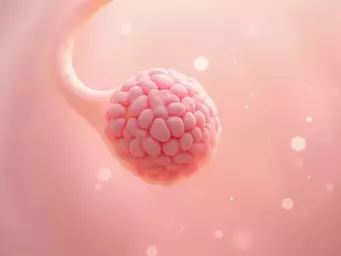 Understanding ovarian cysts can feel overwhelming, especially if you're navigating discomfort on you
 Building your personalized self-care kit can be a transformative experience, especially during chall
 Many women are unaware that ovarian cysts are a common issue, with many experiencing them at some po