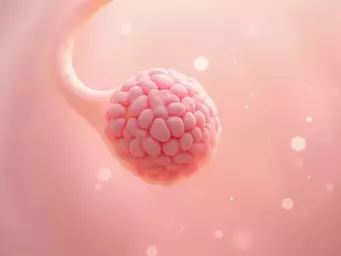
Hormonal Imbalance & Cyst Development
- Cortisol Production: Disrupts reproductive hormones.
- Insulin Resistance: Linked to cyst formation.
Chronic stress elevates cortisol, interfering with estrogen and progesterone levels, crucial for ovarian health.
Posted on: 2025-11-06
By: Edyta Drabek
Stress is more than just an emotional response; it can deeply influence your physical health, especially when it comes to managing ovarian cysts. Understanding this connection empowers you to take charge of both your mental and physical well-being.
This visual outlines the key ways stress impacts ovarian health, influencing hormonal balance, inflammation, and psychological well-being.
Chronic stress elevates cortisol, interfering with estrogen and progesterone levels, crucial for ovarian health.
Stress triggers inflammatory responses, intensifying cyst-related discomfort and making pain feel more severe.
Living with cysts can lead to anxiety and worry, creating a self-perpetuating cycle of stress and discomfort.
Implementing stress management, seeking support, and consulting professionals are key to alleviating symptoms.
As women, we often find ourselves juggling various responsibilities, and this can lead to increased stress levels. When it comes to managing ovarian cyst symptoms, understanding the connection between stress and our bodies is crucial. Stress can not only intensify discomfort but also affect hormonal balance, which is key in cyst development and management. For more insights into the relationship between stress and reproductive health, you can refer to this study on psychological stress and ovarian function.
Let’s explore how stress interacts with our health, particularly concerning ovarian cysts. Many women may not realize that elevated stress can trigger hormonal fluctuations, leading to the growth of cysts. By recognizing this link, we can take proactive steps towards managing both our stress and our symptoms.
Stress impacts our body's hormonal balance in several ways. It triggers the release of cortisol, a hormone that, when elevated for long periods, can disrupt the normal functioning of our ovaries. Research highlights the significant role of stress in various aspects of women's health, including its impact on the menstrual cycle and fertility, as detailed in this comprehensive review on stress and women's reproductive health.
Understanding these factors helps us see how managing stress is not just about feeling better emotionally but also physically. By working on our stress levels, we can positively influence our hormonal health.
The body's response to stress is complex. When we experience stress, our body enters a fight-or-flight mode, leading to various biological changes. This response is characterized by increased heart rate and blood flow, as well as hormonal changes.
For example, prolonged stress can lead to an imbalance in estrogen and progesterone levels, which can contribute to the formation of ovarian cysts. As someone who has spent years studying ovarian health, I often remind women that stress management is a critical aspect of our wellness journey.
Inflammation plays a significant role in how our bodies respond to ovarian cysts. Elevated stress levels can cause our bodies to produce inflammatory substances. This inflammation can exacerbate pain and discomfort associated with cysts, making it imperative to address stress head-on. For further reading on managing conditions like Polycystic Ovary Syndrome (PCOS), which often involves inflammation and cyst development, the latest guidelines for PCOS management offer valuable insights.
By focusing on reducing inflammation through stress management techniques, we can significantly improve our quality of life.
Living with ovarian cysts can take a toll on our mental health as much as it affects our physical well-being. The fear and uncertainty surrounding cyst symptoms can lead to anxiety, creating a vicious cycle of stress and discomfort. Recognizing this psychological impact is essential for holistic health management.
At Ovarian Cysts Wellness, we emphasize the importance of understanding both the physical and emotional aspects of living with cysts. Let’s delve deeper into how these factors are interconnected.
The relationship between stress and anxiety is well-documented, and for many women, managing ovarian cysts can amplify feelings of worry. This connection can lead to a heightened sensitivity to pain and discomfort, which can make symptoms feel more severe.
Recognizing these emotional connections can empower you to seek out effective coping strategies and support.
It’s essential to be aware of how our emotional states can manifest physically. Signs of emotional distress may include persistent sadness, irritability, or even physical symptoms like headaches. These feelings are valid and should be addressed as part of your wellness journey.
Awareness is the first step towards healing. By acknowledging how stress affects our emotional health, we can begin to take meaningful action in managing it.
Emotional triggers can vary widely, but recognizing them can significantly aid in managing your symptoms. For some women, feelings of inadequacy or stress from work can exacerbate discomfort.
By identifying these triggers, we can work towards proactive management strategies that empower us to regain control over our health.
Incorporating mindfulness practices into your daily routine can significantly help manage stress levels. Consider dedicating just 10 minutes each day to meditate, practice deep breathing, or engage in gentle yoga. These activities not only promote relaxation but also foster a better connection between your mind and body, potentially reducing the impact of stress on your ovarian health.
Understanding the connection between stress and ovarian cyst symptoms is crucial for women navigating this journey. Stress can significantly impact our hormonal balance, potentially exacerbating the discomfort associated with cysts. By recognizing this relationship, we can develop effective strategies to manage both stress and the symptoms of ovarian cysts.
Here are some key takeaways that can help you manage stress and alleviate symptoms:
Incorporating these practices into your routine can pave the way for better management of your symptoms and overall wellness.
Now that we have explored the relationship between stress and ovarian cysts, it's time to take actionable steps toward managing your health effectively. Creating a personalized approach can empower you to face the challenges that ovarian cysts may bring.
It’s essential to devise a plan that caters to your specific needs. Here’s a simple framework to help you kickstart your journey:
As you take these steps, remember that you are not alone in your journey. At Ovarian Cysts Wellness, we are here to support you with resources, community, and information aimed at empowering women like you. Remember, your health and well-being are worth the investment!
Here is a quick recap of the important points discussed in the article: