Foods for Hormone Balance


Hormone-Friendly Foods That Support Reproductive Health

Posted on: 2025-10-30
By: Edyta Drabek


Every meal is an opportunity to support your hormonal health. By understanding the connection between diet and hormones, you can take meaningful steps towards better wellness. What if your next bite could empower you to feel your best?

What You Will Learn

  • The crucial role of hormones like estrogen and progesterone in regulating menstrual cycles and overall health.
  • How a diet rich in whole foods can help maintain hormonal balance and support reproductive health.
  • Essential hormone-friendly foods, including omega-3 fatty acids and magnesium-rich options, that promote well-being.
  • Lifestyle factors such as stress management and physical activity that further support hormonal wellness.
  • Actionable steps to incorporate small dietary and lifestyle changes for improved hormonal health.

Key Hormones and Their Impact on Reproductive Health

Understanding how specific hormones influence reproductive health can empower you to make informed dietary and lifestyle choices.

Estrogen

When levels are too high, it can promote the growth of ovarian cysts and lead to heavier periods.

Progesterone

Helps in regulating the menstrual cycle and supports pregnancy. Insufficient levels can cause irregular cycles.

Insulin

Elevated levels can lead to weight gain, inflammation, and significant hormonal disruptions, impacting overall balance.

Cortisol (Stress Hormone)

High levels due to stress can disrupt menstrual cycles and exacerbate hormonal imbalances.

Understanding the Connection Between Diet and Hormonal Balance

As we explore the intricate relationship between diet and hormonal balance, it becomes clear that what we eat can significantly impact our well-being. For many women, including those of us navigating the challenges of ovarian cysts, this connection is particularly vital. Your diet doesn't just fuel your body; it plays a crucial role in regulating your hormones, which are essential for reproductive health.

Understanding how hormones influence reproductive health can empower you to make informed choices. Hormones like estrogen and progesterone regulate your menstrual cycle, fertility, and overall health. When these hormones are out of balance, it can lead to various complications, including ovarian cysts, which is something I deeply care about at Ovarian Cysts Wellness. Many find that a healthy diet can support their overall hormonal health, as discussed by Healthline in their guide to balancing hormones naturally. Additionally, a detailed review of nutritional interventions for ovarian cysts highlights specific dietary approaches that can be beneficial.

Woman holding a bowl of healthy food, representing hormone-friendly eating

How Hormones Influence Reproductive Health

Hormonal imbalances can manifest in many ways, affecting everything from mood to menstrual cycles. For instance, an excess of estrogen may lead to heavier periods and discomfort, while insufficient progesterone can result in irregular cycles. By understanding your body's signals, you can identify when something feels off!

  • Estrogen: Promotes the growth of ovarian cysts when levels are too high.
  • Progesterone: Helps regulate your menstrual cycle and supports pregnancy.
  • Insulin: Elevated levels can lead to weight gain and hormonal disruptions.

By knowing how these hormones interact, you can better address issues like ovarian cysts through dietary changes and lifestyle adjustments. It’s all about empowering yourself with the knowledge to support your reproductive health!

The Role of Nutrition in Hormonal Regulation

Nutrition plays a pivotal role in maintaining hormonal balance. The foods we consume can either support or disrupt this delicate system. A balanced diet rich in whole foods not only fuels your body but also fosters hormonal harmony. It’s essential to focus on nutrient-dense foods that provide the vitamins and minerals your body needs to function optimally.

  • Incorporate whole grains for steady energy levels and hormone regulation.
  • Include healthy fats to support hormonal production and balance.
  • Opt for lean proteins that help in tissue repair and hormone synthesis.

By making these intentional choices, you can take control of your hormonal health and enhance your overall wellness journey. Remember, small changes can lead to significant improvements!

Essential Hormone-Friendly Foods for Reproductive Health

Now that we understand the critical connection between diet and hormonal balance, let’s dive into the specific foods that can support your reproductive health. These hormone-friendly foods are not only beneficial but can also be delicious additions to your meals!

Integrating a variety of nutrient-rich foods into your diet can provide your body with the tools it needs to maintain hormonal balance. I’ve seen firsthand how these foods positively impact women struggling with ovarian cysts, and I’m excited to share this knowledge with you! For more insights on specific foods, Everlywell provides a comprehensive list of hormone-balancing foods that can be easily incorporated into your daily meals.

We Want to Hear From You!

How has your diet impacted your hormonal health? We’d love to know your thoughts and experiences! Share your insights below:

Frequently Asked Questions About Hormonal Health and Diet

The key hormones include estrogen, progesterone, insulin, and cortisol. Estrogen influences the growth of ovarian cysts, progesterone regulates the menstrual cycle, insulin can cause weight gain and hormonal disruptions, and cortisol (the stress hormone) can disrupt cycles.

What we eat can significantly impact hormonal regulation. A diet rich in whole foods, healthy fats, and lean proteins provides the nutrients needed for optimal hormone function, while processed foods and sugar can disrupt this balance.

Incorporating whole grains, healthy fats (like omega-3 fatty acids), lean proteins, and magnesium-rich foods can support hormonal balance. Minimizing sugar and processed foods is also crucial.

Yes, lifestyle factors such as regular physical activity, stress management techniques (like yoga or meditation), adequate sleep, and proper hydration all play vital roles in maintaining optimal hormonal balance.

Begin with small, manageable changes to your diet and lifestyle. Gradually incorporate more whole foods, healthy fats, and lean proteins, and prioritize stress reduction, exercise, and sleep. Exploring resources and consulting a healthcare professional for personalized guidance can also be beneficial.

Summarizing the Importance of a Hormone-Balancing Diet

As we wrap up our exploration of a hormone-balancing diet, it’s clear that the foods we choose can greatly impact our reproductive health. Embracing a diet rich in nutrient-dense options not only supports hormonal balance but also enhances overall well-being. Remember, you have the power to make choices that align with your health goals!

To keep things simple, let’s highlight some key takeaways regarding foods that support reproductive health:

  • Focus on whole foods: Incorporate a variety of fruits, vegetables, whole grains, and healthy fats into your meals.
  • Prioritize omega-3 fatty acids: These healthy fats are essential for reducing inflammation and supporting hormonal function.
  • Include magnesium-rich foods: These help manage stress and promote hormonal balance.
  • Don't forget about proteins: Choose a mix of plant and animal sources to ensure you’re getting all the essential amino acids.
  • Stay mindful of sugar and processed foods: Minimizing these can significantly improve your hormonal health.

By keeping these principles in mind, you can take tangible steps toward a healthier lifestyle that empowers you to manage your hormonal health effectively.

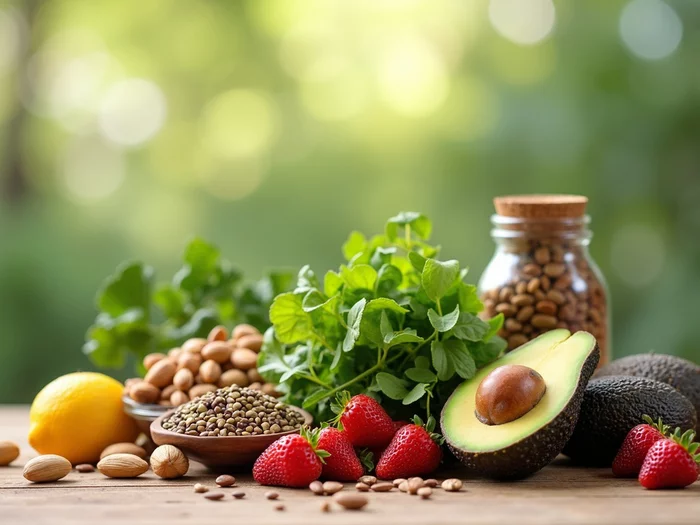
Variety of fresh, colorful, hormone-friendly foods on a kitchen counter

Encouraging a Holistic Approach to Hormonal Wellness

At Ovarian Cysts Wellness, I believe in the importance of a holistic approach to hormonal wellness. It’s not just about what you eat; it’s also about how you live your life. Factors such as stress management, regular physical activity, and adequate sleep play crucial roles in maintaining hormonal balance.

Here are some lifestyle factors to consider for optimal hormonal health:

  • Engage in regular physical activity: Exercise can help reduce stress and improve hormonal balance.
  • Practice stress-reduction techniques: Activities like yoga, meditation, or even simple breathing exercises can keep cortisol levels in check.
  • Prioritize sleep: Aim for quality sleep each night to help regulate hormonal cycles.
  • Stay hydrated: Drinking enough water supports overall health and helps your body function optimally.

Integrating these lifestyle choices can truly make a difference in how you feel day to day. By taking a comprehensive approach, you set the stage for a healthier future.

Your Path to Healthier Hormones: Next Steps and Resources

Taking action is a vital step in your journey toward better hormonal health! Consider starting with small changes to your diet and lifestyle, and gradually build from there. Remember, you don’t have to do it all at once. Each positive choice you make contributes to a healthier you!

To support your journey, I recommend exploring various resources available on Ovarian Cysts Wellness. You can find educational articles, wellness inspiration, and product recommendations tailored to your needs. Here are some next steps you might consider:

  • Join our community: Connect with others who are navigating similar challenges and share your experiences.
  • Read more articles: Dive deeper into specific topics related to ovarian health and nutrition.
  • Try out recipes: Experiment with hormone-friendly recipes that can boost your health while delighting your taste buds.
  • Consult a professional: If you have specific health concerns, consider speaking with a healthcare provider for personalized guidance.

Together, we can empower ourselves with knowledge and support each other on our journeys toward optimal hormonal health! Remember, every small step counts.

Recap of Key Points

Here is a quick recap of the important points discussed in the article:

  • Understanding Hormones: Hormones like estrogen and progesterone play crucial roles in reproductive health and can influence conditions like ovarian cysts.
  • Nutrition's Role: A diet rich in whole foods, healthy fats, and lean proteins supports hormonal balance and overall wellness.
  • Essential Foods: Incorporate omega-3 fatty acids, magnesium-rich foods, and minimize processed sugars to enhance hormonal health.
  • Lifestyle Factors: Regular physical activity, stress management, and adequate sleep are vital for maintaining hormonal balance.
  • Community Support: Engaging with others on similar journeys can provide encouragement and valuable insights for managing hormonal health.

Subscribe & Share
Hormones and Ovarian Cyst Growth How Hormones Affect Ovarian Cyst Development Understanding ovarian cysts can feel overwhelming, especially if you're navigating discomfort on you
Self-Care Kit for Period Relief Creating a Self-Care Kit for Period Pain and Discomfort Building your personalized self-care kit can be a transformative experience, especially during chall
Understanding Ovarian Cyst Pain Ovarian Cyst Pain: What It Feels Like and How to Cope Many women are unaware that ovarian cysts are a common issue, with many experiencing them at some po
Banner
Ovarian Cysts Wellness

Your trusted resource for understanding ovarian cysts and discovering natural management strategies. We empower women aged 18-45 with holistic insights and practical guidance for comfort and balance.

Trusted by women seeking gentle relief, our mission is to provide reliable, empathetic information backed by Edyta Drabek's expertise in holistic health and wellness.

Explore Wellness
Recent Posts
How to Create a Comfort Routine During Your Cycle Comfort Routine for Your Cycle

Your menstrual cycle is more than just a routine;

The Role of Stress in Ovarian Cyst Symptoms — and How to Manage It Managing Stress and Ovarian Cysts

Stress is more than just an emotional response; it

Hormone-Friendly Foods That Support Reproductive Health Foods for Hormone Balance

Every meal is an opportunity to support your hormo

Ovarian Cysts Wellness Insights