Natural Remedies for Ovarian Cyst Pain
Posted on: 2025-10-22
By: Edyta Drabek
Many women are unaware of the prevalence and types of ovarian cysts until they face discomfort or health issues. Understanding ovarian cysts can be the key to managing your health effectively. Here are the essential insights that can empower you on your journey.
What You Will Learn
- Ovarian cysts are common fluid-filled sacs that may develop on or within the ovaries, often during the menstrual cycle.
- There are two main types of ovarian cysts: functional (like follicular and corpus luteum cysts) and pathological, which may require further evaluation.
- Recognizing symptoms such as pelvic pain, irregular periods, or unexplained weight gain is crucial for early detection and treatment.
- Natural approaches, including heat therapy, herbal remedies, and mindfulness practices, can help alleviate ovarian cyst pain effectively.
- Maintaining open communication with healthcare providers is essential for effective management and integrating natural treatments with conventional care.
Key Aspects of Ovarian Cysts: Types and Natural Relief
Delve into the distinctions between ovarian cyst types and explore effective natural approaches for managing discomfort.
Types of Ovarian Cysts
Follicular Cysts: Form when the follicle doesn’t release an egg.
Corpus Luteum Cysts: Develop if the follicle doesn't shrink after releasing an egg.
Dermoid Cysts: Contain different types of tissues such as hair or skin.
Endometriomas: Associated with endometriosis.
Functional vs. Pathological cysts
Natural Pain Relief Approaches
Heat therapy with heating pads or hot water bottles.
Herbal remedies like chamomile and ginger to reduce inflammation.
Mindfulness through yoga and meditation for emotional well-being.
Staying hydrated and consuming anti-inflammatory foods.
Holistic approach to well-being
Understanding Ovarian Cysts and Their Impact on Health
Understanding ovarian cysts can feel overwhelming, especially when you’re navigating discomfort on your own. Let’s take a moment to break this down together. Ovarian cysts are fluid-filled sacs that can form on or within the ovaries, and they are surprisingly common. In fact, many women will experience them at some point in their lives. If you’re feeling a bit anxious, take a deep breath. You are not alone in this journey!

These cysts often develop during the menstrual cycle and can vary in size. Some may be small and go unnoticed, while others can grow larger and cause significant discomfort or other health issues. It’s important to know that most ovarian cysts are harmless and usually resolve on their own. However, understanding what they are is the first step toward managing your health effectively.
What Are Ovarian Cysts? A Brief Overview
Let’s dive deeper into what ovarian cysts are! Essentially, they are categorized into two main types: functional and pathological cysts. Functional cysts, which include follicular and corpus luteum cysts, typically form as part of the menstrual cycle. Pathological cysts, on the other hand, can arise from abnormal cell growth and may require further evaluation, as discussed in research on ovarian lesions and cysts.
- Follicular Cysts: Form when the follicle doesn’t release an egg.
- Corpus Luteum Cysts: Develop if the follicle doesn't shrink after releasing an egg.
- Dermoid Cysts: Contain different types of tissues such as hair or skin.
- Endometriomas: Associated with endometriosis and may contain tissue similar to the uterine lining.
By understanding these types of cysts, you can better recognize their symptoms and seek appropriate care. Remember, knowledge is power, especially when it comes to your health!
Common Symptoms of Ovarian Cysts and When to Seek Help
Recognizing the symptoms of ovarian cysts is crucial for your overall well-being. Many women experience no symptoms at all, but when symptoms do appear, they can include:
- Pelvic pain or discomfort
- Changes in menstruation, such as irregular periods
- Unexplained weight gain
- Pressure symptoms on the bladder or rectum
If you notice any of these symptoms, especially if they are severe or persistent, it’s essential to reach out to a healthcare professional. Early detection and management can make a significant difference in your comfort and health journey.
Pro Tip
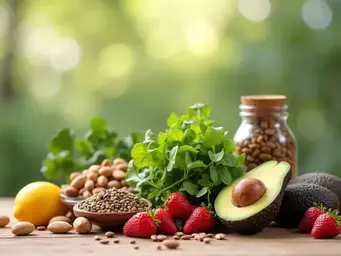
Did you know? Incorporating a balanced diet rich in anti-inflammatory foods such as leafy greens, nuts, and fatty fish can help reduce the symptoms of ovarian cysts? This can enhance your overall wellness and support your body in managing discomfort more effectively.
Summarizing Natural Approaches to Ovarian Cyst Pain Relief
Managing ovarian cyst pain can feel daunting, but there are many natural approaches that can help you find relief in the comfort of your home. At Ovarian Cysts Wellness, I genuinely believe in empowering women to take control of their health. By incorporating simple yet effective remedies, you can make a significant difference in how you feel each day.
- Utilizing heat therapy with heating pads or hot water bottles for soothing relief.
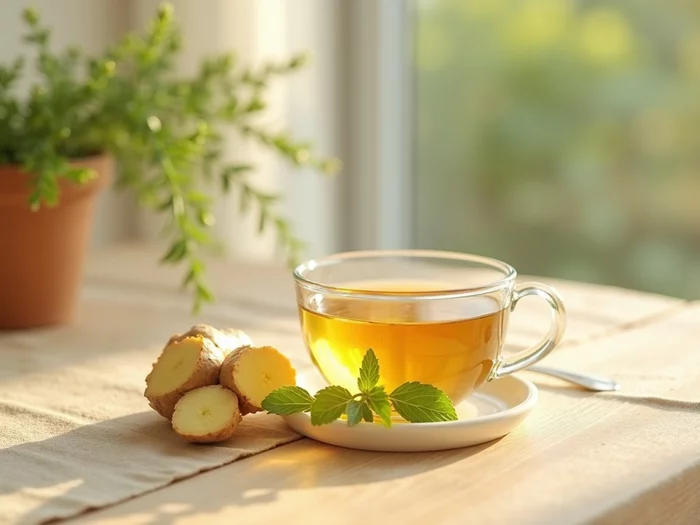
- Incorporating herbal remedies like chamomile and ginger to reduce inflammation. Research suggests that herbal medicine can play a significant role in managing gynecological conditions, including ovarian cysts.
- Practicing mindfulness through yoga and meditation to foster emotional well-being.
- Staying hydrated and consuming anti-inflammatory foods to support overall health.

These strategies not only assist in managing discomfort but also promote a holistic approach to your well-being. Remember, it’s crucial to listen to your body and adjust these methods according to your needs. Combining self-care practices with knowledge can lead you toward a more balanced life!
Frequently Asked Questions About Ovarian Cysts
- What are ovarian cysts?
- Ovarian cysts are common fluid-filled sacs that can form on or within the ovaries, often developing during the menstrual cycle. Most are harmless and resolve on their own.
- What are the main types of ovarian cysts?
- There are two main categories: functional cysts (like follicular and corpus luteum cysts, which are part of the menstrual cycle) and pathological cysts (which arise from abnormal cell growth and may require further evaluation).
- What are the common symptoms of ovarian cysts?
- Many women experience no symptoms. When symptoms do appear, they can include pelvic pain or discomfort, irregular periods, unexplained weight gain, and pressure on the bladder or rectum.
- When should I seek medical help for ovarian cysts?
- It's essential to consult a healthcare professional if you experience severe or persistent pelvic pain, significant changes in your menstrual cycle, or any other concerning symptoms.
- Are there natural ways to relieve ovarian cyst pain?
- Yes, natural approaches include heat therapy, herbal remedies (like chamomile and ginger), mindfulness practices (yoga, meditation), staying hydrated, and consuming anti-inflammatory foods.
- Is medical guidance necessary even with natural remedies?
- Absolutely. Maintaining open communication with your healthcare provider is crucial. They can help integrate natural treatments with conventional care, monitor cyst progression, and tailor a treatment plan specific to your needs.
The Importance of Medical Guidance in Ovarian Cyst Treatment
While natural remedies can provide substantial relief, it’s essential to maintain open communication with your healthcare provider. Having a strong support system that includes medical professionals is vital to understanding the intricacies of ovarian cyst management. They can guide you in integrating natural treatments with conventional options, ensuring a comprehensive approach to your health.
- Regular check-ups to monitor cyst progression.
- Discussing any new symptoms or concerns as they arise.
- Collaborating with your doctor about the use of supplements or alternative therapies.
By working alongside your healthcare team, you can tailor a treatment plan that best suits your unique situation. Remember, you are not alone on this journey—continuing to seek guidance and support is an essential part of your health and wellness path.
Recap of Key Points
Here is a quick recap of the important points discussed in the article:
- Ovarian cysts are common fluid-filled sacs that can vary in size and often resolve on their own.
- There are two main types of cysts: functional (e.g., follicular and corpus luteum) and pathological, which may require medical evaluation.
- Common symptoms include pelvic pain, irregular periods, and pressure on the bladder or rectum; consult a healthcare professional if symptoms are severe or persistent.
- Natural approaches for pain relief include heat therapy, herbal remedies, mindfulness practices, and maintaining hydration with anti-inflammatory foods.
- Regular medical check-ups are essential for monitoring cysts and discussing treatment options with healthcare providers.
 Understanding ovarian cysts can feel overwhelming, especially if you're navigating discomfort on you
 Building your personalized self-care kit can be a transformative experience, especially during chall
 Many women are unaware that ovarian cysts are a common issue, with many experiencing them at some po