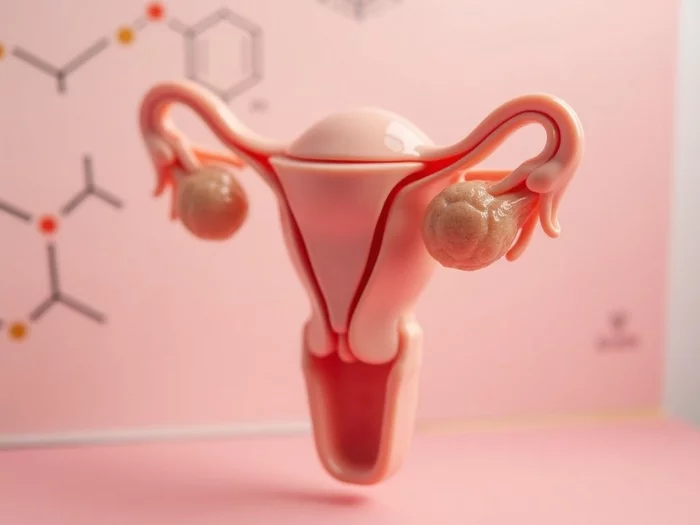
Functional Cysts: Most Common
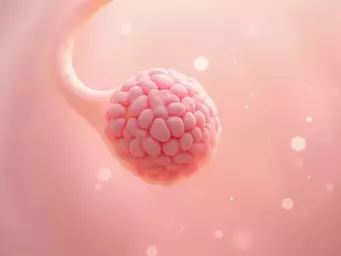
Related to menstrual cycle, often resolve naturally. Include Follicular (egg not released) and Corpus Luteum (sac doesn't dissolve).
~70% of Ovarian Cysts
Posted on: 2025-10-20
By: Edyta Drabek
Understanding the intricate relationship between hormonal imbalances and ovarian cysts can significantly enhance your health journey. Here's what you'll discover:
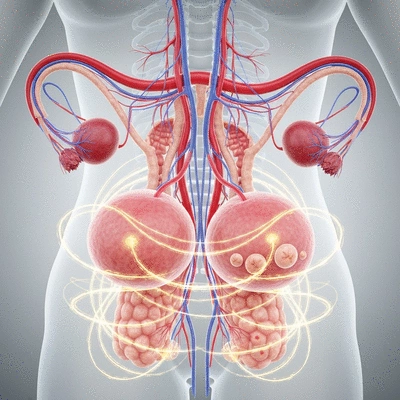
Understanding the complex interplay of hormones and risk factors is crucial for managing ovarian health. This visual highlights core elements influencing cyst formation and development.
When we talk about ovarian cysts, it’s essential to understand the link between hormonal imbalances and their formation. Many women experience this condition, and it often stems from fluctuations in hormones that can disrupt our natural cycles. I know how overwhelming it can be to sift through all this information, but I’m here to break it down for you!
Ovarian cysts are fluid-filled sacs that can form on the ovaries, and understanding them is the first step toward managing your health effectively. Let’s explore what ovarian cysts are, how they form, and how hormonal imbalances play a crucial role in their development.
Ovarian cysts can be classified into different types, each with unique characteristics. Generally, they are categorized as functional cysts, which are the most common, and pathological cysts, which may require medical attention. For a deeper dive into the various types and their implications, explore understanding ovarian cyst types.
Understanding these different types helps in recognizing symptoms and seeking appropriate care. Now, let's delve into how these cysts actually form.
As mentioned earlier, the primary types of ovarian cysts include functional and pathological. Functional cysts usually develop during the menstrual cycle, while pathological cysts may develop due to abnormal cell growth. Understanding these characteristics is vital for effective management.
Functional cysts can be further divided into follicular cysts that form when an egg doesn’t release and corpus luteum cysts that develop if the sac doesn’t dissolve after releasing the egg. Recognizing these can help you understand your body better!
Biologically, ovarian cysts form through a complex interplay of hormones. When there is a disruption in hormonal balance—particularly with estrogen and progesterone—the normal ovulation process can be affected, leading to cyst formation. This disruption can stem from various factors, including stress and lifestyle choices.
When our hormones are in sync, ovulation occurs smoothly, and cysts are less likely to form. It’s crucial to listen to your body and recognize signs of hormonal imbalances to maintain health and wellness!
So, how does hormonal imbalance contribute to ovarian cysts? It’s often a combination of elevated estrogen levels and insufficient progesterone. Let's break down how each hormone influences this process:
Understanding the fluctuation of these hormones is key to managing ovarian health. It's a delicate balance that can easily be disrupted, especially in today's fast-paced world.
Estrogen and progesterone are critical in regulating your menstrual cycle and overall reproductive health. When estrogen levels are too high or progesterone levels are too low, it can lead to ovulation issues, increasing the risk of cyst formation. I encourage you to monitor your cycle and any changes you notice, as this can be vital in managing your health effectively.
Tracking your hormonal health can help you identify patterns and triggers that may contribute to imbalances, making it easier to seek appropriate treatment.
Functional cysts play a significant role in ovarian health. Follicular cysts occur when the follicle doesn’t release an egg, while corpus luteum cysts happen when the follicle doesn’t dissolve after releasing the egg. Both types are usually harmless and often resolve without treatment.
However, understanding when these cysts form and recognizing the associated symptoms can help you make informed decisions about your wellness journey.
It’s also essential to consider the role of androgens—like testosterone—and insulin resistance in cyst formation. High androgen levels can disrupt normal ovarian function and lead to more cysts forming, particularly in those with polycystic ovary syndrome (PCOS). This condition is closely linked to insulin resistance, which can exacerbate hormonal imbalances. To learn more about how diet can impact hormone balance, read about foods for hormone balance.
As you navigate your wellness journey, be mindful of how these factors may be impacting your health. You are not alone, and there are natural strategies and treatments that can help!
PCOS is a common condition that many women experience, often alongside hormonal imbalances. Understanding PCOS and its symptoms can empower you to take control of your health.
Recognizing these symptoms is crucial for seeking help and finding effective management strategies.
PCOS occurs when the ovaries produce an excess of androgens, leading to various symptoms and health concerns. Understanding how this syndrome affects your hormonal balance is vital in navigating your wellness journey. It can help you communicate effectively with your healthcare provider and seek the support you need.
If you suspect you have PCOS, I encourage you to explore natural management strategies alongside medical advice to find the balance that works for you.
Symptoms of PCOS often reflect underlying hormonal imbalances. Besides irregular periods, women may experience acne, weight gain, and hair loss. These symptoms stem from elevated insulin and androgen levels, which further complicate hormonal balance.
Recognizing the connection between these symptoms and hormonal health can be a game changer in your approach to wellness. Remember, it’s essential to advocate for your health!
Hyperandrogenism plays a crucial role in the development of PCOS and can lead to more severe symptoms. It’s characterized by elevated levels of male hormones, which can cause both physical and emotional distress. Managing these levels is vital for improving overall health and quality of life.
Connecting with others who share similar experiences can provide support, and together we can explore resources that promote wellness and balance.
Recognizing the symptoms of ovarian cysts can empower you to take action. Common symptoms include:
Being aware of these signs can help you seek the appropriate care and support needed for your health journey.
Identifying symptoms early can lead to timely diagnosis and treatment. Keep track of any changes in your body and consult with a healthcare provider if you notice anything unusual. Your wellbeing is a priority, and understanding what’s happening can guide you to the right solutions.
Remember, you are not alone, and there are communities and resources available to support you through this process.
When it comes to diagnosing hormonal imbalances and ovarian cysts, healthcare providers typically use several methods. Common diagnostic approaches include:
Using these diagnostic tools can help you understand your condition better and develop a suitable management plan.
Ultrasound plays a crucial role in detecting ovarian cysts and assessing hormonal health. This non-invasive procedure provides valuable insights into the structure of your ovaries and helps determine the type of cyst present. If you’ve been experiencing symptoms, I encourage you to discuss the possibility of an ultrasound with your healthcare provider!
Understanding your body is the foundation of effective management. Having the right information can empower you to make informed decisions about your health.
Several risk factors can contribute to hormonal imbalances and the formation of ovarian cysts. Understanding these can help you take proactive steps toward managing your health. Here are some key risk factors to consider:
Being aware of these risk factors can help you stay vigilant and proactive about your health!
Some fertility medications can influence hormone levels and increase the risk of ovarian cysts. Understanding how these medications affect your body is crucial when considering treatments for fertility or other conditions.
Always discuss any concerns with your healthcare provider to ensure that your treatment plan aligns with your hormonal health needs.
Thyroid dysfunction can also contribute to hormonal imbalances, impacting ovarian health. Conditions like hypothyroidism or hyperthyroidism can lead to irregular cycles and increase the risk of cyst formation. If you suspect thyroid issues, consider discussing them with your healthcare provider.
By addressing these endocrine disorders, you can work towards achieving greater hormonal balance and overall wellness.
Your lifestyle choices significantly impact your hormonal health. Factors such as weight gain, diet, and exercise play crucial roles in regulating hormonal balance. To support your body:
Small changes can lead to significant improvements in your overall wellbeing. Remember, it’s all about balance!
Managing hormonal imbalances and ovarian cysts often requires a comprehensive approach. Here are some effective strategies and treatments you might consider:
Taking control of your health is empowering! Explore these options and find what works best for you.
Regulating hormones may involve lifestyle changes, dietary adjustments, or medical interventions. Collaborating with a healthcare provider can help you tailor a plan to suit your needs. It’s essential to empower yourself with knowledge and support!
As you embark on this journey, remember that balance is key. Finding the right strategies for your unique situation is crucial for effective management.
Birth control can play a significant role in managing ovarian cysts and maintaining hormonal balance. By regulating your menstrual cycle, hormonal contraceptives can help prevent the formation of new cysts. If you’re curious about this option, I encourage you to discuss it with your healthcare provider to see if it’s right for you!
It’s vital to find a solution that aligns with your overall health goals and lifestyle.
Hormone therapy and alternative medicine approaches can also be effective in managing hormonal imbalances and ovarian cysts. Whether you’re considering hormone replacement therapy or exploring holistic remedies, it’s essential to ensure it fits your unique health needs.
Stay open to various options and seek guidance from professionals who can support you on this journey. Remember, you are the expert on your body!
Did you know that maintaining a balanced diet rich in whole foods can significantly support your hormonal health? Incorporating foods high in omega-3 fatty fatty acids, such as salmon and flaxseeds, can help reduce inflammation and promote hormonal balance. Additionally, staying hydrated and managing stress through mindfulness practices can further enhance your overall wellness!
As we draw our focus back to the crucial connection between hormonal imbalance and ovarian cysts, it's clear that maintaining hormonal balance is essential for overall ovarian health. Many women may not realize how interconnected these systems are, and understanding this relationship can empower us to take proactive steps in managing our wellness. At Ovarian Cysts Wellness, I’m committed to helping you navigate these insights, so let’s recap what we’ve learned so far!
Recognizing these key points can be a first step toward understanding your health better. It's vital to listen to your body and seek the support you deserve!
If you suspect you may be experiencing symptoms related to hormonal imbalance or ovarian cysts, I encourage you to reach out to a healthcare professional. Taking action is empowering! A knowledgeable physician can provide tailored advice based on your unique situation and help you explore the best management options. Here are some steps you can take:
Remember, seeking help is a vital part of your wellness journey. You don’t have to navigate this alone!
Staying educated about hormonal health and ovarian cyst management is crucial. Knowledge empowers you to make informed decisions about your health! Here’s how to remain in the loop:
By engaging with these resources, you can build a supportive network and access valuable information that can aid you in your journey.
Your voice matters, and sharing your journey can inspire others! I invite you to connect with our community at Ovarian Cysts Wellness. We’re all about fostering an open environment for discussing experiences with hormonal health and ovarian cysts. Here’s how you can get involved:
Let’s create a supportive space where we learn and grow together!
As we continue to deepen our understanding of ovarian health, clinical research plays a vital role. Ongoing studies help uncover new insights into the causes of hormonal imbalances and their effects on cyst formation. Supporting and following this research can lead to:
With every new finding, we move closer to empowering women with the knowledge and resources needed to navigate their health journeys effectively. For more strategies on managing your health, consider exploring coping strategies for ovarian cysts.
Here is a quick recap of the important points discussed in the article: