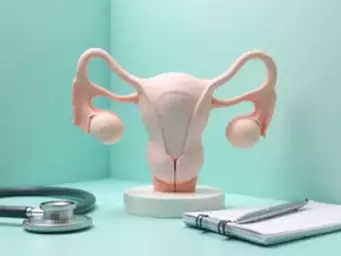
**Functional:** Most common, part of menstrual cycle, typically resolve.
Understanding Untreated Ovarian Cysts

Posted on: 2025-10-20
By: Edyta Drabek
Did you know that understanding the types and implications of ovarian cysts can significantly enhance your health management? Armed with knowledge, you can better navigate the complexities of your health.
What You Will Learn
- Ovarian cysts are fluid-filled sacs; most are harmless and resolve on their own.
- There are two primary types of ovarian cysts: functional (common and generally harmless) and complex (may require more attention).
- Hormonal imbalances caused by stress, diet, and lifestyle choices significantly contribute to cyst formation.
- Understanding the symptoms and types of cysts, such as follicular and corpus luteum cysts, helps in recognizing when to seek medical advice.
- Regular monitoring and consultations with healthcare providers are crucial for managing ovarian health effectively.
- Lifestyle changes, including stress management and a balanced diet, can support ovarian health and potentially decrease cyst occurrences.
- Joining support groups can provide emotional support and shared experiences, enhancing your health journey.
Understanding Ovarian Cysts: Types and Management
Ovarian cysts are common and often harmless, but understanding their classifications and the role of various factors in their formation is crucial for effective management. This visual summarizes the key types and influences on ovarian health.
Functional vs. Complex Cysts
**Complex:** May contain solid areas, needs further evaluation.
Hormonal Imbalance & Cysts
**Estrogen/Progesterone:** Imbalances can lead to cyst formation.
**Stress Hormones:** Increased stress disrupts balance, promotes cysts.
**Dietary Influences:** Certain foods impact hormonal balance.
Common Functional Cysts
**Follicular Cysts:** Follicle doesn't release egg, often resolve.
**Corpus Luteum Cysts:** Follicle fills with fluid after egg release.
Dermoid Cysts: Unique Characteristics
**Tissue Content:** Can contain hair, skin, or teeth. Surgical removal often needed.
**Symptoms:** May cause pain or pressure in pelvic area.
Understanding Ovarian Cysts and Their Classifications
Understanding ovarian cysts can feel overwhelming, especially when you're trying to make sense of discomfort in your body. So, let’s break this down together! At Ovarian Cysts Wellness, we believe that having clear knowledge about ovarian cysts is the first step towards managing them effectively.
Ovarian cysts are fluid-filled sacs that develop on or within an ovary. They are quite common and often go unnoticed, but gaining insight into what they are can empower you to take charge of your health. As part of our mission to empower women, I want you to feel informed and supported. Learning more about understanding ovarian cysts and their symptoms can provide further clarity.
What are Ovarian Cysts?
Ovarian cysts are generally harmless and can occur during your menstrual cycle. They form as part of the normal function of your ovaries, but sometimes they can cause discomfort. It's essential to recognize that most cysts will resolve on their own without the need for treatment.
- Cysts can vary in size and may be as small as a pea or grow larger than a grapefruit.
- They can be functional, meaning they arise during your menstrual cycle, or they can be pathological, indicating a different underlying condition.
- Understanding these differences helps in identifying symptoms and knowing when to seek help.
While they are common, knowing the signs and symptoms can help you differentiate between normal occurrences and situations that may warrant a visit to your healthcare provider.
Types of Ovarian Cysts: Functional vs. Complex
Ovarian cysts are categorized into two main types: functional and complex. Functional cysts are usually part of the menstrual cycle. They include follicular cysts and corpus luteum cysts, which we’ll explore in detail later. Complex cysts, on the other hand, may require more attention as they can be associated with other health issues.
- Functional Cysts: These are the most common type and typically resolve on their own.
- Complex Cysts: These may contain solid areas or thicker fluid, indicating a need for further evaluation.
Recognizing these classifications can help you and your healthcare team determine the best approach for your health and wellness.
The Role of Hormonal Imbalance in Ovarian Cysts Formation
Hormonal imbalances play a significant role in the formation of ovarian cysts. Factors such as stress, diet, and lifestyle can impact your hormonal levels, leading to the development of these cysts. Understanding this connection is crucial for managing your health.
- Estrogen and Progesterone: Imbalances in these hormones can lead to the formation of cysts.
- Stress Hormones: Increased stress can disrupt your hormonal balance, promoting cyst formation.
- Dietary Influences: Certain foods can either support hormonal balance or exacerbate imbalances.
By addressing these factors, you might reduce the risk of developing cysts and improve your overall well-being. For more insights, explore foods that support hormone balance.
Common Types of Functional Cysts: Follicular and Corpus Luteum Cysts
Functional cysts are generally harmless, and most women will experience them during their lives. The two main types are follicular cysts and corpus luteum cysts.
- Follicular Cysts: These occur when a follicle doesn't release its egg during the menstrual cycle. They often resolve without treatment.
- Corpus Luteum Cysts: These form after an egg is released and the follicle fills with fluid. They can cause discomfort but also typically resolve on their own.
Being aware of these types can help you recognize symptoms and understand what to expect during your cycle. Remember, if you experience persistent pain or unusual symptoms, it's always a good idea to consult your healthcare provider.
Exploring Dermoid Cysts and Their Unique Characteristics
Diving deeper, we find dermoid cysts, which are a unique type of ovarian cyst. Unlike functional cysts, dermoid cysts can contain various types of tissue, such as hair, skin, or even teeth! They are considered a type of teratoma and usually require surgical intervention.
- Characteristics: Dermoid cysts can grow quite large and may cause discomfort.
- Symptoms: While many women have no symptoms, some may experience pain or pressure in the pelvic area.
- Treatment: Surgical removal is often necessary, especially if they cause complications.
Understanding the characteristics of dermoid cysts can help you stay vigilant about your health. If you suspect you may have one, don't hesitate to reach out for professional advice!
Pro Tip
Did you know? Keeping a symptom journal can be a game-changer in managing your ovarian health. By tracking your symptoms, dietary habits, and emotional state, you can identify patterns that may help you and your healthcare provider make informed decisions about your treatment and lifestyle adjustments.
Summarizing the Importance of Awareness and Action
Understanding ovarian cysts is just the first step towards managing your health effectively. It’s crucial to be aware of the signs and potential complications associated with these cysts. Regular monitoring and timely medical consultation can make a significant difference in your health journey. Remember, knowledge empowers you to make informed decisions about your body and wellness.
Staying vigilant about your health can help you catch any changes early, leading to more effective management strategies. Here are some key reasons why regular monitoring is essential:
- Early Detection: Catching any changes in your ovarian health can prevent complications.
- Informed Decisions: Access to your health history helps you make better treatment choices.
- Health Management: Regular check-ins allow you to manage symptoms proactively.
Engaging with healthcare professionals about your concerns can provide additional reassurance and guidance tailored to your unique situation.
The Need for Regular Monitoring and Medical Consultation
As women, it's essential to prioritize our health, especially when it comes to conditions like ovarian cysts. Regular check-ups allow for continuous monitoring of your ovarian health, helping to identify any changes that may require action. I can't stress enough how vital it is to have a healthcare provider who understands your history and can assist you in navigating your journey.
Don't hesitate to seek medical advice if you notice symptoms that concern you. Regular consultations can lead to better outcomes and peace of mind. For ongoing support and resources, consider exploring when to seek professional help for ovarian cysts.
Empowering Women: Knowledge as a Tool for Health Management
At Ovarian Cysts Wellness, I believe that knowledge is power. By educating yourself about ovarian cysts, you can take charge of your health. Understanding your body and its signals can help you recognize when something feels off. This awareness is not only essential for managing cysts but also for promoting overall wellness.
Here are some ways you can empower yourself through knowledge:
- Stay Informed: Read up on the latest research and guidelines about ovarian cysts.
- Join Support Groups: Connecting with others can provide insights and shared experiences.
- Track Your Symptoms: Keeping a journal can help you notice patterns and changes.
By taking these steps, you're not just managing your health—you're also advocating for yourself!
The Importance of Health Screenings and Diagnostic Imaging
Health screenings and diagnostic imaging play a vital role in understanding your ovarian health. These tools help in identifying the nature of cysts and any abnormalities that may arise. Depending on your situation, your healthcare provider may recommend ultrasound, CT scans, or MRIs to gain a clearer picture of your ovarian health.
Here are some common diagnostic methods that may be used:
- Ultrasound: Often the first step for visualizing cysts.
- CT Scan: Provides detailed images of the ovaries and surrounding structures.
- MRI: Useful for further investigation of complex cysts.
Regular screenings not only help detect potential problems early but also contribute to informed health decisions.
Taking Steps Toward Better Health Outcomes
Taking proactive steps towards your ovarian health is essential. As women, we often juggle many responsibilities, but prioritizing our health should always be at the top of our list. Open conversations with healthcare providers can help you feel more comfortable discussing your symptoms and exploring treatment options.
Here are some action steps you can take:
- Schedule Regular Check-Ups: Make it a habit to visit your healthcare provider for routine screenings.
- Research Treatment Options: Understand the various treatments available for ovarian cysts and their benefits.
- Build a Support Network: Surround yourself with friends or support groups who can provide encouragement.
By taking these steps, you're not only advocating for your health but also inspiring others to do the same!
Encouraging Open Conversations with Healthcare Providers
Communication is key when it comes to health management. Don't shy away from discussing your concerns with your healthcare provider! Open conversations about your symptoms, lifestyle, and family history can lead to more tailored health advice.
Ask questions that matter to you, such as:
- What should I monitor regarding my ovarian health?
- Are there lifestyle changes I should consider?
- What treatment options do you recommend for my situation?
Your healthcare team is there to help you navigate this journey. Remember, the more you communicate, the better equipped you both will be in managing your ovarian health!
Exploring Lifestyle Changes to Support Ovarian Health
Making certain lifestyle changes can significantly impact your ovarian health. Small adjustments in your daily routine can enhance your overall wellness and potentially ease cyst symptoms. Here are some effective lifestyle changes you might consider:
- Exercise Regularly: Aim for at least 30 minutes of moderate exercise most days of the week.
- Manage Stress: Practicing mindfulness or yoga can help reduce stress levels.
- Stay Hydrated: Drink plenty of water to support your body's functions.
Incorporating these habits into your life is a great way to support your body and mind as you navigate your health journey.
Nutrition and Its Impact on Ovarian Health
Your diet plays a crucial role in maintaining ovarian health. Consuming a balanced diet rich in nutrients can help support your overall wellness and may alleviate some discomfort associated with ovarian cysts. Here are some dietary recommendations:
- Include Healthy Fats: Sources like avocados, nuts, and olive oil can be beneficial.
- Eat Plenty of Fruits and Vegetables: They provide essential vitamins and minerals.
- Monitor Sugar and Processed Foods: Reducing these can improve hormonal balance.
Making conscious food choices can not only help your ovarian health but also boost your mood and energy levels!
Understanding Patient Advocacy and Support Groups for Women’s Health
Connecting with support groups can be a game-changer in your journey with ovarian health. These communities provide an invaluable resource for sharing experiences, advice, and encouragement. Finding women who have similar experiences can help you feel less isolated and more empowered.
Here are some benefits of joining a support group:
- Emotional Support: Sharing your feelings and experiences can help alleviate anxiety.
- Resource Sharing: Learn about helpful products, treatments, and strategies from others.
- Building Friendships: Connecting with like-minded women can foster lasting friendships.
At Ovarian Cysts Wellness, I encourage you to explore local or online support groups. You're not alone in this journey, and there's strength in community!
Frequently Asked Questions About Ovarian Cysts
What are the main types of ovarian cysts?
Ovarian cysts are generally categorized into two main types: functional cysts (like follicular and corpus luteum cysts), which are common and usually harmless, and complex cysts (like dermoid cysts), which may require further medical evaluation or surgical intervention.
How do hormonal imbalances contribute to ovarian cyst formation?
Hormonal imbalances, particularly in estrogen and progesterone, can lead to cyst formation. Factors such as stress hormones and certain dietary influences can disrupt this balance, increasing the likelihood of developing cysts.
Are most ovarian cysts serious?
Most ovarian cysts are functional and harmless, often resolving on their own without treatment. However, complex cysts or those causing persistent symptoms may require medical attention and evaluation.
What role do lifestyle and diet play in managing ovarian cysts?
Lifestyle changes, including regular exercise, stress management, and a balanced diet rich in healthy fats, fruits, and vegetables, can significantly support ovarian health, help balance hormones, and potentially reduce the occurrence or symptoms of cysts.
When should I seek medical advice for ovarian cysts?
It's important to seek medical advice if you experience persistent pain, unusual symptoms, or any concerns about your ovarian health. Regular monitoring and communication with healthcare providers are crucial for effective management.
Recap of Key Points
Here is a quick recap of the important points discussed in the article:
- Ovarian Cysts: These fluid-filled sacs can vary in size and are often harmless, resolving on their own.
- Types of Cysts: Understand the difference between functional cysts, which are common and usually benign, and complex cysts that may require further evaluation.
- Hormonal Imbalances: Factors such as stress and diet can influence hormonal levels and lead to cyst formation.
- Regular Monitoring: Schedule routine check-ups to catch any changes early and make informed health decisions.
- Healthy Lifestyle Choices: Engage in regular exercise, manage stress, and maintain a balanced diet to support ovarian health.
- Patient Advocacy: Connect with support groups and healthcare providers to share experiences and gather insights.
2025-11-23
Hormones and Ovarian Cyst Growth
 Understanding ovarian cysts can feel overwhelming, especially if you're navigating discomfort on you
2025-11-15
Self-Care Kit for Period Relief
 Building your personalized self-care kit can be a transformative experience, especially during chall
2025-11-13
Understanding Ovarian Cyst Pain
 Many women are unaware that ovarian cysts are a common issue, with many experiencing them at some po