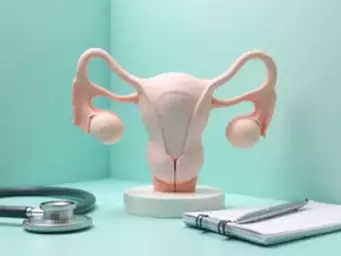
High-Fiber Foods: Whole grains, fruits, vegetables for digestion & hormone regulation.
Relieving Ovarian Cyst Discomfort Naturally

Posted on: 2025-10-20
By: Edyta Drabek
Have you ever considered how your diet could impact your health? For women dealing with ovarian cysts, understanding the relationship between food choices and symptoms can be a game changer. Let’s explore how to navigate these challenges with confidence and informed decisions.
What You Will Learn
- Ovarian cysts are common fluid-filled sacs that typically resolve on their own, but understanding their types can help manage symptoms.
- Recognizing symptoms such as abdominal pain and irregular menstrual cycles is crucial for knowing when to seek medical help.
- Incorporating high-fiber foods, lean proteins, and antioxidants into your diet can support ovarian health and alleviate discomfort.
- Avoiding processed sugars, excessive caffeine, and inflammatory foods can significantly reduce cyst-related symptoms.
Dietary Guidance for Ovarian Cyst Management
Empowering women through informed dietary choices, this guide outlines essential foods to include and those to avoid for managing ovarian cyst discomfort. For more insights on how nutrition can provide ovarian cyst relief, delve into our comprehensive guide.
Essential Foods to Include
Lean Proteins: Chicken, fish, legumes support hormonal balance.
Omega-3 Fatty Acids: Fish, walnuts for reduced inflammation.
Antioxidants: Berries, nuts, leafy greens combat oxidative stress.
Foods to Avoid or Reduce
Processed Sugars & Fats: Can lead to inflammation and worsen symptoms.
Inflammatory Foods: Dairy and gluten may trigger symptoms for some women.
Excessive Caffeine: Can contribute to hormonal fluctuations and discomfort.
Alcohol: May impact liver function & hormone metabolism, consider moderation.
Understanding Ovarian Cysts and Their Discomfort
Understanding ovarian cysts can feel overwhelming, especially when faced with discomfort. At Ovarian Cysts Wellness, we believe that knowledge is empowering, helping you to navigate this journey with confidence. So, what are ovarian cysts, and why do they occur? Let's break it down together!
What Are Ovarian Cysts and Why Do They Occur?
Ovarian cysts are fluid-filled sacs that develop on or within an ovary. They are quite common and can often occur as part of your menstrual cycle. Many women will experience them at some point in their lives, and the majority will not experience severe symptoms. However, it's important to understand why they happen, as it can help you manage any discomfort effectively. For a deeper dive into the different types of ovarian cysts, explore our detailed explanation.
- Follicular cysts: These form when the follicle doesn't release an egg during ovulation.
- Corpus luteum cysts: These develop after the follicle releases the egg and can fill with fluid.
- Endometriomas: A result of endometriosis, these cysts can cause more significant pain.
While most cysts are benign and resolve on their own, some can lead to discomfort or complications. Recognizing the type can assist in managing your symptoms effectively.
Common Symptoms of Ovarian Cysts: When to Seek Help
It's crucial to know what symptoms to look out for when dealing with ovarian cysts. While many women may not experience symptoms, others might face discomfort that warrants attention. Here are some common symptoms to keep in mind:
- Pain or pressure in the lower abdomen
- Irregular menstrual cycles
- Difficulty emptying the bladder
- Pain during intercourse
If you find yourself experiencing these symptoms persistently, don’t hesitate to seek help from a healthcare provider. Remember, you’re not alone in this journey, and reaching out can provide the support you need!
We Want to Hear From You!
What dietary changes have you found most helpful in managing your ovarian cyst symptoms? Share your thoughts below:
Frequently Asked Questions About Ovarian Cysts and Diet
Q: What are ovarian cysts?
A: Ovarian cysts are fluid-filled sacs that form on or within an ovary. They are common and often part of the menstrual cycle, with most being benign and resolving on their own.
Q: What are the main types of ovarian cysts?
A: The main types include follicular cysts (when an egg isn't released), corpus luteum cysts (after an egg is released and the follicle fills with fluid), and endometriomas (linked to endometriosis).
Q: What symptoms should I watch out for?
A: Common symptoms include lower abdominal pain or pressure, irregular menstrual cycles, difficulty emptying the bladder, and pain during intercourse. Seek medical attention if these symptoms are persistent.
Q: What foods should I include in my diet to manage ovarian cyst symptoms?
A: Focus on high-fiber foods (whole grains, fruits, vegetables), lean proteins (chicken, fish, legumes), Omega-3 fatty acids (fish, walnuts), and antioxidants (berries, nuts, leafy greens).
Q: What foods should I avoid or reduce?
A: It's advisable to limit processed sugars and unhealthy fats, inflammatory foods (like dairy and gluten if they trigger symptoms), and excessive caffeine and alcohol, as these can worsen symptoms or impact hormone metabolism.
Navigating Dietary Changes for Ovarian Cyst Management
Managing ovarian cysts often starts with making informed dietary choices. At Ovarian Cysts Wellness, I believe that what you eat can significantly influence your symptoms and overall well-being. By focusing on a balanced diet, you can pave the way for better management of discomfort. Let's dive into the essential foods you should include in your diet, as well as those you should avoid.
Essential Foods to Include in Your Ovarian Cyst Diet
When it comes to your diet, incorporating the right foods is crucial for ovarian health. Here are some categories of foods that can help:
- High-Fiber Foods: Whole grains, fruits, and vegetables can aid in digestion and hormone regulation.
- Lean Proteins: Foods like chicken, fish, and legumes support hormonal balance.
- Omega-3 Fatty Acids: Found in fish and walnuts, these can reduce inflammation.
- Antioxidants: Berries, nuts, and leafy greens help combat oxidative stress.
Adding these foods to your meals can create a supportive environment for your ovaries. For example, a salad topped with fresh berries and a source of lean protein can provide a nutrient-dense option to start your day right!

High-Fiber Foods: Benefits and Best Options
High-fiber foods not only keep your digestive system healthy but also help regulate hormones. Foods like whole grains, fruits, and vegetables are fantastic choices. Consider adding oatmeal for breakfast or snacking on an apple with almond butter. These choices can significantly improve your overall health and help manage cyst symptoms.
Lean Proteins and Their Role in Hormonal Balance
Incorporating lean proteins into your diet is essential for maintaining hormonal balance. Options like chicken, tofu, and fish should be staples in your meals. I often recommend pairing grilled chicken with a side of steamed vegetables for a nutrient-rich dinner that supports your wellness journey.
Omega-3 Fatty Acids: Sources and Health Impacts
Omega-3 fatty acids are known for their anti-inflammatory properties. You can find these beneficial fats in salmon, flaxseeds, and walnuts. Including these in your diet may help ease discomfort associated with ovarian cysts. Try adding chia seeds to your smoothies or salads for an extra boost!
The Role of Antioxidants in Supporting Ovarian Health
Antioxidants play a vital role in protecting your cells from damage. Foods rich in antioxidants include berries, dark chocolate, and green tea. Incorporating these into your diet can support ovarian health and overall wellness. A bowl of mixed berries with a sprinkle of chia seeds makes for a delightful and nourishing snack!
Foods to Avoid for Reducing Ovarian Cyst Discomfort
In addition to knowing what to eat, it's just as important to be aware of foods that might exacerbate your symptoms. Here’s a list of foods to consider avoiding:
- Processed Sugars and Fats: High amounts can lead to inflammation.
- Inflammatory Foods: Dairy and gluten may trigger symptoms for some women.
- Excessive Caffeine: Can lead to hormonal fluctuations.
By eliminating or reducing these foods from your diet, you might notice a decrease in discomfort. For instance, swapping sugary snacks for a piece of fruit can greatly impact your energy levels and well-being! For a more comprehensive look at foods to avoid with ovarian cysts, refer to our dedicated guide.
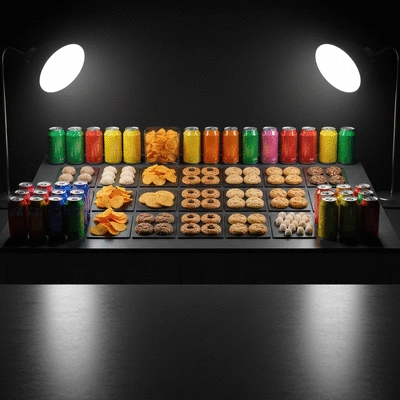
Processed Sugars and Fats: Why They Matter
Processed sugars and unhealthy fats can contribute to inflammation and worsen cyst symptoms. It’s best to limit sugary drinks and snacks, opting instead for wholesome alternatives. Making a simple switch to natural sweeteners like honey or maple syrup can be beneficial!
Understanding Inflammatory Foods: What to Look Out For
Some common inflammatory foods include dairy and gluten, which might not sit well with everyone. It’s essential to pay attention to how your body responds. Keeping a food diary can help identify any triggers that lead to discomfort.
Impact of Gluten-Free and Dairy Alternatives on Symptoms
Many women have found relief by trying gluten-free and dairy alternatives. Options like almond milk or coconut yogurt can be great substitutes. Experimenting with these alternatives allows you to find what works best for your body while still enjoying delicious meals.
Recap of Key Points
Here is a quick recap of the important points discussed in the article:
- Ovarian cysts are common fluid-filled sacs that often resolve on their own and are part of the menstrual cycle.
- Recognizing symptoms such as abdominal pain and irregular menstrual cycles is crucial for seeking timely medical advice.
- Incorporating high-fiber foods, lean proteins, omega-3 fatty acids, and antioxidants can help manage ovarian cyst discomfort.
- Avoiding processed sugars, inflammatory foods, and excessive caffeine can alleviate symptoms and improve overall wellness.
2025-11-23
Hormones and Ovarian Cyst Growth
 Understanding ovarian cysts can feel overwhelming, especially if you're navigating discomfort on you
2025-11-15
Self-Care Kit for Period Relief
 Building your personalized self-care kit can be a transformative experience, especially during chall
2025-11-13
Understanding Ovarian Cyst Pain
 Many women are unaware that ovarian cysts are a common issue, with many experiencing them at some po