Foods to Avoid for Ovarian Cysts

Posted on: 2025-10-20
By: Edyta Drabek
Exploring the connection between diet and ovarian health can lead to significant improvements in well-being. With many women affected by ovarian cysts, understanding how to manage them through dietary changes is empowering. Are you ready to take charge of your health?
What You Will Learn
- Ovarian cysts are common and often benign, but understanding their causes can help manage symptoms.
- Diet significantly influences ovarian health; focusing on whole, unprocessed foods can promote hormonal balance.
- Incorporating high-fiber foods and healthy fats is vital for managing ovarian cysts effectively.
- Natural remedies, such as herbal teas and heat therapy, can provide relief from discomfort associated with ovarian cysts.
- Personalization of dietary plans is crucial; keeping a food journal can help identify triggers and effective strategies.
- Recognizing when to seek professional guidance is essential for tailored support in managing ovarian cysts.
Ovarian Cysts: Dietary and Management Strategies
Understanding the types of ovarian cysts, their dietary connections, and effective natural remedies can significantly aid in their management. Here's a summary of key strategies:
Types of Ovarian Cysts
- • Follicular: Failure to release egg, continues to grow.
- • Corpus Luteum: Fills with fluid after egg release.
- • Dermoid: Contains tissues like hair and skin.
Dietary Role in Management
- • High-fiber foods (fruits, veggies, whole grains).
- • Healthy fats (avocados, nuts).
- • Adequate hydration.
Natural Remedies for Discomfort
- • Herbal teas (chamomile, green tea).
- • Heat therapy for abdominal pain.
- • Essential oils (lavender for relaxation).
When to Seek Expert Guidance
- • Frequent or severe symptoms.
- • No improvement from current diet.
- • Concerns about nutrient deficiencies.
- • Feeling overwhelmed with choices.
Understanding Ovarian Cysts and Their Dietary Connections
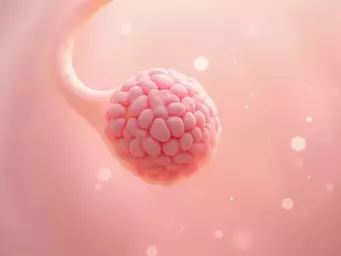
When we dive into the world of ovarian cysts, it’s essential to grasp what they are and how they form. Ovarian cysts are fluid-filled sacs that develop on the ovaries and are quite common among women of reproductive age. While many cysts are harmless and often resolve on their own, understanding their development can help you manage any discomfort they may cause. Cysts can emerge due to hormonal changes, particularly during the menstrual cycle, and recognizing the signs is a crucial step in your wellness journey. For a deeper understanding of these growths, consider reading more about understanding ovarian cysts and symptoms.
It’s easy to feel overwhelmed when faced with new health challenges, but remember, you’re not alone! Many women face similar experiences, and by educating ourselves, we can take proactive steps toward our health and comfort.
What Are Ovarian Cysts and How Do They Develop?
To put it simply, ovarian cysts are a result of the normal functioning of the ovaries. They often form during the menstrual cycle when the ovaries release eggs. However, sometimes the cysts can persist or develop due to various factors, including hormonal imbalances and stress.
- Follicular Cysts: Occur when the follicle fails to release the egg and continues to grow.
- Corpus Luteum Cysts: Form after the follicle has released its egg but fills with fluid instead of dissolving.
- Dermoid Cysts: Contain tissues like hair and skin, and develop from cells present at birth.
Knowing these types helps you pinpoint what you might be dealing with, and I encourage you to keep track of any symptoms to discuss with your healthcare provider!

The Role of Diet in Ovarian Cyst Management
Diet plays a significant role in managing ovarian cysts, especially when it comes to maintaining hormonal balance. You might be surprised to learn that what you eat can affect the nature and development of these cysts. A diet rich in whole, unprocessed foods can provide your body with the nutrients it needs to function optimally. For more detailed guidance, exploring nutrition for ovarian cyst relief can be incredibly beneficial.
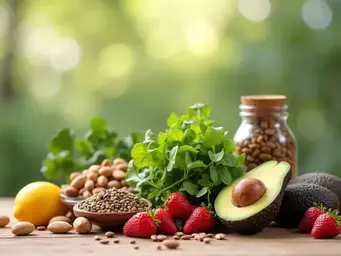
- Focus on high-fiber foods like fruits, vegetables, and whole grains.
- Incorporate healthy fats from sources like avocados and nuts.
- Stay hydrated by drinking plenty of water throughout the day.
Adopting these dietary habits can not only promote overall wellness but may also alleviate some of the discomfort associated with ovarian cysts. Remember, every small change counts!
Natural Remedies for Ovarian Cysts: Exploring Effective Options
Many women seek natural ways to manage their ovarian cysts, and thankfully, there are several remedies that can help ease discomfort. From herbal teas to gentle yoga practices, embracing a holistic approach can make a difference.
- Herbal Teas: Chamomile and green tea can help reduce inflammation.
- Heat Therapy: Applying a warm compress can soothe abdominal pain.
- Essential Oils: Oils like lavender may assist in relaxation and pain relief.
By integrating these natural remedies into your routine, you can foster a sense of control over your wellness journey. Don’t hesitate to explore what works best for you!
Pro Tip
Did you know? Keeping a food journal can significantly enhance your understanding of which foods affect your ovarian cyst symptoms. By tracking your meals and any corresponding discomfort, you can identify trigger foods and make more informed dietary choices tailored to your needs.
Summarizing Dietary Strategies for Ovarian Cyst Management
As we navigate the journey of managing ovarian cysts, it’s crucial to summarize the dietary strategies that can empower you. At Ovarian Cysts Wellness, we believe that understanding and adapting your diet can significantly influence your health. This means focusing on whole foods and being mindful of what you consume. Let's dive deeper into this.
Working with health professionals can enhance your journey toward well-being. Consulting with a registered dietitian or holistic health coach familiar with ovarian health can provide tailored advice that aligns with your unique needs. They can help you identify trigger foods, and navigate dietary adjustments, ensuring you're not alone in this process!

Frequently Asked Questions About Ovarian Cysts and Diet
- What are ovarian cysts?
- Ovarian cysts are fluid-filled sacs that develop on the ovaries, commonly occurring in women of reproductive age. Many are benign and resolve on their own, but understanding their types and causes is important for management.
- How does diet affect ovarian cysts?
- Diet plays a significant role in managing ovarian cysts by influencing hormonal balance. A diet rich in whole, unprocessed foods, high-fiber foods, and healthy fats can support overall ovarian health and potentially alleviate discomfort.
- What types of foods should I focus on for ovarian health?
- Focus on high-fiber foods like fruits, vegetables, and whole grains. Also, incorporate healthy fats from sources such as avocados and nuts, and ensure adequate hydration by drinking plenty of water.
- Are there natural remedies for ovarian cyst discomfort?
- Yes, natural remedies like herbal teas (chamomile, green tea) can help reduce inflammation, heat therapy can soothe abdominal pain, and essential oils like lavender may aid in relaxation and pain relief.
- When should I seek professional medical advice for ovarian cysts?
- It's important to consult with a healthcare professional if you experience frequent or severe symptoms, if your current diet isn't improving your symptoms, if you have concerns about nutrient deficiencies, or if you feel overwhelmed with dietary choices.
Consulting Professionals: When to Seek Expert Guidance
Knowing when to seek expert guidance is a vital part of your health journey. Here are a few key indicators that it might be time to reach out:
- You experience frequent or severe symptoms related to your ovarian cysts.
- Your current diet isn't yielding the expected improvements in your symptoms.
- You have concerns about nutrient deficiencies or overall health while managing your condition.
- You're feeling overwhelmed with dietary choices and need support in making healthier decisions.
These signs are your body’s way of telling you that it's time to consult someone who can provide personalized guidance. With the right support, you can create a dietary plan that works best for you.
Personalization and Adaptation of Dietary Plans for Individual Needs
Every woman’s experience with ovarian cysts is unique, which is why personalization of dietary plans is so important. For individualized guidance, exploring foods for hormone balance can offer valuable insights.
- Start by keeping a food journal to track your meals and symptoms.
- Identify patterns that may indicate foods you should limit or avoid.
- Experiment with new recipes that incorporate ovarian cyst-friendly ingredients.
- Consider your lifestyle and preferences; make choices that feel sustainable for you.
Adapting your dietary plan to fit your specific needs will make it easier to maintain a healthy lifestyle. Remember, this is a journey, and there’s no one-size-fits-all approach!
Encouragement to Take Control of Your Health Journey
Now that we've explored dietary strategies, I want to empower you to take control of your health. You have the ability to influence your well-being through the choices you make every day. At Ovarian Cysts Wellness, I'm here to support you in your journey toward balance and wellness.
Taking Action: Steps to Begin Your Dietary Changes Today
If you're ready to start making changes, here are some actionable steps you can take:
- Set a goal for yourself, like incorporating one new healthy meal each week.
- Join our community for support and shared experiences.
- Explore recipes that excite you and make healthy eating enjoyable.
- Stay consistent and allow yourself grace during this process.
Taking these small steps can lead to significant changes over time. Trust the process, and remember that every little bit counts!
Final Thoughts on Natural Management of Ovarian Cysts
In conclusion, managing ovarian cysts naturally is a holistic journey, and your diet plays a key role in it. By focusing on nourishing foods and being mindful of what you avoid, you can create a positive impact on your health. Remember, you’re not alone on this path. I’m here to provide you with the support and information you need to thrive. Together, let’s embrace a lifestyle that promotes wellness and harmony in your life.
Recap of Key Points
Here is a quick recap of the important points discussed in the article:
- Ovarian cysts are common fluid-filled sacs on the ovaries that can develop due to hormonal changes.
- Diet plays a crucial role in managing ovarian cysts; a focus on whole, unprocessed foods is beneficial.
- Natural remedies such as herbal teas, heat therapy, and essential oils can help alleviate discomfort.
- Consulting health professionals for personalized dietary advice is important for effective management.
- Keeping a food journal and adapting your diet to fit individual needs can enhance well-being.
- Taking small, consistent steps towards healthier eating can lead to significant health improvements over time.
 Understanding ovarian cysts can feel overwhelming, especially if you're navigating discomfort on you
 Building your personalized self-care kit can be a transformative experience, especially during chall
 Many women are unaware that ovarian cysts are a common issue, with many experiencing them at some po