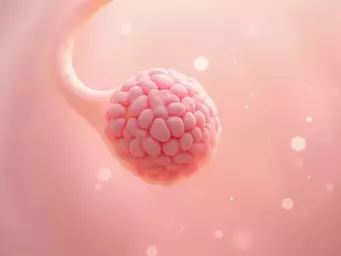
Understanding ovarian cysts can be a daunting experience, but you're not alone. Many women face similar challenges, and it's crucial to educate ourselves about this common issue. With the right knowledge, we can take proactive steps towards managing our health!
What You Will Learn
Ovarian cysts are fluid-filled sacs that commonly occur during a woman's menstrual cycle.
There are two main types of ovarian cysts: functional (usually harmless) and pathological (may require further examination).
Common symptoms include pelvic pain, unusual menstrual cycles, bloating, and changes in urination or bowel habits.
Long-term management strategies for ovarian cysts include maintaining a balanced diet, regular exercise, proper hydration, and stress management techniques.
Understanding and Managing Ovarian Cysts
Ovarian cysts are common and can impact women's health. This visual summarizes key types, common symptoms, and long-term management strategies, emphasizing lifestyle choices and holistic approaches for well-being. For a deeper dive into the different kinds, explore our article on understanding ovarian cyst types.
Types of Ovarian Cysts
Functional Cysts
Pathological Cysts
PCOS (Multiple Cysts)
Common Symptoms
Pelvic pain
Unusual menstrual cycles
Bloating/Abdominal pressure
Changes in urination/bowel habits
Long-Term Management
Balanced Diet & Hydration
Regular Exercise & Stress Management
Holistic Approaches & Tools
Herbal Supplements
Regular Check-ins
Personalized Heat Therapy
Symptom Tracking
Understanding Ovarian Cysts and Their Symptoms
Understanding ovarian cysts can feel overwhelming, especially if you’re experiencing discomfort. Many women, including myself, have been on this journey, and it's essential to break down this topic into manageable pieces. Ovarian cysts are fluid-filled sacs that can develop on your ovaries. They are more common than you might think and can occur during your menstrual cycle. In fact, most women will experience at least one cyst in their lifetime!
While many cysts are harmless and go unnoticed, some can cause symptoms that may disrupt your daily life. This is where knowing more about them becomes crucial. Let’s dive a bit deeper into what ovarian cysts are and why understanding them is vital for your health.
What Are Ovarian Cysts?
Ovarian cysts are essentially pockets of fluid that form on or in your ovaries. They can vary in size, and most often, they resolve on their own without treatment. The two main types of ovarian cysts are functional cysts, which develop during the menstrual cycle, and pathological cysts, which can arise from abnormal growths. While functional cysts are usually harmless, it's essential to monitor any changes that occur in your body.
Functional Cysts: Typically form during ovulation and often disappear within a few menstrual cycles.
Pathological Cysts: These can be benign or malignant and may require further examination.
Polycystic Ovary Syndrome (PCOS): A condition where multiple cysts form due to hormonal imbalances.
Being aware of the types of cysts can empower you to take charge of your health. If you notice any irregularities, don’t hesitate to reach out for support. Remember, you are not alone in this journey!
Common Symptoms Associated with Ovarian Cysts
Recognizing the symptoms of ovarian cysts is an important step in managing your health. While many women don’t experience symptoms, others may face various issues. Common symptoms include:
Pelvic pain during menstruation or intercourse
Unusual menstrual cycles
Bloating and pressure on the abdomen
Changes in urination or bowel habits
If you find yourself experiencing any of these symptoms, it’s vital to consult with a healthcare professional. Understanding your body and its signals is a key part of self-care, and I’m here to encourage you every step of the way! For more detailed information on specific discomforts, consider reading our post on understanding ovarian cyst pain.
How Ovarian Cysts Relate to Menstrual and Pelvic Pain
The relationship between ovarian cysts and menstrual or pelvic pain is something many women encounter. As cysts grow or rupture, they can lead to increased discomfort during your cycle. This pain might vary from dull to sharp and can often mimic normal menstrual cramps.
Menstrual Pain: Cysts can cause additional inflammation, leading to more severe menstrual cramps.
Pelvic Pain: As cysts exert pressure on surrounding organs, you may feel increased pressure in your abdomen.
Complications: In rare cases, cysts can cause complications such as torsion or rupture, leading to severe pain.
Understanding this connection can help you recognize when to seek medical advice. Remember to listen to your body and reach out if something feels off. Your comfort and well-being are the top priority!
We Want to Hear From You!
What strategies have you found helpful in managing your ovarian cyst symptoms? Share your thoughts below:
Long-Term Management Strategies for Ovarian Cysts
Managing ovarian cysts can feel like a journey that requires not just short-term relief but also long-term strategies. I’ve learned that making informed lifestyle choices is crucial in reducing the likelihood of cyst recurrence. Understanding how your body responds to various factors can empower you to take control of your health.
Here are some effective lifestyle changes that may help reduce cyst development:
Balanced Diet: Eating whole foods rich in nutrients can support hormonal balance.
Regular Exercise: Engaging in physical activity can help regulate hormones and improve overall well-being.
Hydration: Staying well-hydrated assists in bodily functions and may reduce discomfort.
Stress Management: Practicing mindfulness techniques can help reduce stress, which often exacerbates health issues.
Preventing Recurrence Through Lifestyle Choices
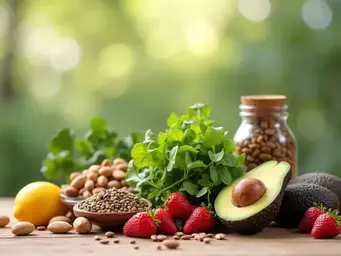
When it comes to preventing future cysts, making intentional lifestyle choices is key. I’ve seen firsthand how simple adjustments can lead to significant improvements. For instance, incorporating nutrient-dense foods like leafy greens, healthy fats, and lean proteins can help stabilize hormonal fluctuations.
In addition to dietary changes, consider these holistic approaches:
Herbal Supplements: Some women find relief through herbal remedies like vitex (chaste tree) and evening primrose oil.
Regular Check-Ins: Monitoring your menstrual cycle and any symptoms can help you identify patterns and triggers.
Consultation with Professionals: Engaging with holistic health practitioners can provide tailored strategies to address your unique concerns.
Holistic Approaches to Managing Hormonal Imbalances
Managing hormonal imbalances is another essential factor in long-term cyst management. I always encourage a holistic approach, which may include dietary changes, stress management techniques, and physical activity. Integrating yoga or pilates for pelvic comfort into your routine can also support hormonal balance while promoting relaxation.
Don’t underestimate the power of community support! Engaging with groups focused on women’s health can provide you with additional resources and emotional support.
Incorporating Stress Reduction and Exercise into Your Routine
Stress plays a significant role in our overall health, and for women with ovarian cysts, managing stress is vital. I recommend starting with simple stress-reduction techniques, such as:
Meditation: Taking just a few minutes each day to meditate can help clear your mind and reduce tension.
Gentle Yoga: Practicing yoga can alleviate stress while promoting blood flow and flexibility.
Walking: A daily walk not only helps physically but allows you to connect with nature and recharge mentally.
By blending physical activity with mindfulness practices, you create a supportive environment for your body to thrive.
Empowering Yourself with Knowledge and Tools
As you continue your journey, empowering yourself with knowledge is essential. Creating a personalized heat therapy protocol, for instance, can help you find what works best for your symptoms. Don’t hesitate to explore various options and adjust your approach as you learn what feels right for you!
Creating a Personalized Heat Therapy Protocol
Tracking your symptoms is a great way to understand what works for you. I always recommend keeping a journal to note when your symptoms flare up and what remedies you tried. This information can significantly influence your future choices.
Identify Triggers: Record patterns and triggers related to your ovarian cyst symptoms.
Experiment with Remedies: Try different heat therapy methods and note their effectiveness.
Adjust as Needed: Be flexible and open to changing your routine based on what you discover.
Frequently Asked Questions (FAQs) About Ovarian Cysts
What are ovarian cysts?
Ovarian cysts are fluid-filled sacs that develop on or in the ovaries, most commonly during a woman's menstrual cycle. They can vary in size and type.
What are the main types of ovarian cysts?
The two main types are functional cysts (which form during ovulation and usually resolve on their own) and pathological cysts (which can be benign or malignant and may require further examination). Polycystic Ovary Syndrome (PCOS) is a condition involving multiple cysts due to hormonal imbalances.
What are the common symptoms of ovarian cysts?
Symptoms can include pelvic pain during menstruation or intercourse, unusual menstrual cycles, bloating, abdominal pressure, and changes in urination or bowel habits. Many cysts are asymptomatic.
How do ovarian cysts relate to menstrual and pelvic pain?
Cysts can cause increased discomfort during your menstrual cycle or in the pelvis, ranging from dull to sharp pain. This can be due to inflammation, pressure on surrounding organs, or, in rare cases, complications like torsion or rupture.
What are long-term management strategies for ovarian cysts?
Long-term management involves lifestyle choices such as maintaining a balanced diet, regular exercise, proper hydration, and stress management. Holistic approaches like herbal supplements and regular check-ups can also be beneficial.
Can lifestyle changes prevent ovarian cyst recurrence?
Making intentional lifestyle choices, including a nutrient-dense diet, consistent physical activity, and effective stress reduction, can help stabilize hormonal fluctuations and may reduce the likelihood of future cyst development.
What are some holistic approaches to managing hormonal imbalances related to cysts?
Holistic approaches include dietary modifications, stress management techniques (like meditation or gentle yoga), physical activity, and consulting with holistic health practitioners for personalized strategies.
How can personalized heat therapy help with ovarian cyst symptoms?
Creating a personalized heat therapy protocol involves tracking your symptoms, identifying triggers, experimenting with different heat methods (like heating pads), and adjusting your routine based on what provides the most relief.
Conclusion: Embrace Natural Remedies with Caution
As you explore natural remedies, it’s essential to balance them with professional healthcare guidance. Your health journey is uniquely yours, and while I encourage exploration, always keep your healthcare provider in the loop. They can offer valuable insights and support as you navigate your wellness journey. For more guidance on natural relief methods, consider our resource on natural ways for ovarian cyst relief.
Remember, self-care and advocacy in your health journey are vital! By empowering yourself with the right knowledge and tools, you can make informed decisions that promote your well-being. Together, let’s embrace a holistic approach to health that prioritizes balance and self-care.
Recap of Key Points
Here is a quick recap of the important points discussed in the article:
Ovarian cysts are fluid-filled sacs that can occur on or in the ovaries and are generally harmless.
Common symptoms include pelvic pain, unusual menstrual cycles, bloating, and changes in urination or bowel habits.
Lifestyle changes such as a balanced diet, regular exercise, hydration, and stress management can help reduce the likelihood of cyst recurrence.
Understanding the connection between ovarian cysts and menstrual or pelvic pain can aid in recognizing when to seek medical advice.
Tracking symptoms and adjusting personal health strategies can empower you to manage your health effectively.
Subscribe & Share
2025-11-23
Hormones and Ovarian Cyst Growth
Understanding ovarian cysts can feel overwhelming, especially if you're navigating discomfort on you
2025-11-15
Self-Care Kit for Period Relief
Building your personalized self-care kit can be a transformative experience, especially during chall
2025-11-13
Understanding Ovarian Cyst Pain
Many women are unaware that ovarian cysts are a common issue, with many experiencing them at some po
Ovarian Cysts Wellness
Your trusted resource for understanding ovarian cysts and discovering natural management strategies. We empower women aged 18-45 with holistic insights and practical guidance for comfort and balance.
Trusted by women seeking gentle relief, our mission is to provide reliable, empathetic information backed by Edyta Drabek's expertise in holistic health and wellness.
Every meal is an opportunity to support your hormo
Ovarian Cysts Wellness Insights
Tip — Understanding ovarian cysts can feel overwhelming. Take a deep breath; you're not alone. Knowing the basics empowers you to manage symptoms more effectively.
Tip — For natural relief, try incorporating gentle yoga. Simple stretches can ease tension and nurture your mind and spirit. Your body will thank you!
Tip — Enhance your comfort with self-care products like a heat therapy wrap. It offers immediate relief and a moment to unwind. Discover my top picks!
Tip — Your wellness journey is unique. Keep a journal to track what brings you comfort. Your experiences can light the way for others in our community.
Tip — Explore natural management strategies blending research-based insights with practical lifestyle tips. Edyta Drabek guides you on your path to balance and self-care.