Calm with Yoga and Meditation


Yoga and Meditation Accessories for Stress Relief with Ovarian Cysts

Posted on: 2025-10-20
By: Edyta Drabek


Did you know that incorporating yoga into your daily routine can significantly improve your hormonal balance and reduce stress levels? This practice not only benefits your physical health but also nurtures your emotional well-being, especially for women managing ovarian cysts.

What You Will Learn

  • Yoga can help manage discomfort associated with ovarian cysts by promoting physical and emotional well-being.
  • Regular practice of yoga reduces cortisol levels, thereby improving hormonal balance and reproductive health.
  • Mindful movement through yoga aids in stress management, which is crucial for maintaining ovarian health.
  • Specific yoga poses, such as Child’s Pose and Bridge Pose, enhance relaxation and blood flow to the pelvic area.
  • Restorative practices, including Butterfly Pose and Reclining Bound Angle, promote deep relaxation and emotional release.
  • Maintaining a consistent yoga routine contributes to long-term stress relief and overall wellness.
  • Listening to your body and modifying poses as needed is essential for a safe and effective practice.

Yoga's Impact on Ovarian Health: Stress & Hormonal Balance

Yoga offers a holistic approach to managing ovarian cysts by addressing key factors like stress and hormonal balance. The visual below highlights these critical connections and the benefits of incorporating yoga into your routine. For more insights on how to naturally find relief, explore natural ways for ovarian cyst relief.

Stress Reduction

Yoga effectively lowers cortisol levels, promoting relaxation and reducing anxiety. This directly impacts ovarian health by mitigating stress-induced hormonal imbalances.

  • Lowers Cortisol
  • Reduces Anxiety
  • Promotes Calm

Hormonal Balance

By regulating stress, yoga aids in balancing hormones, which is crucial for managing ovarian cyst symptoms and supporting a healthy reproductive system.

  • Regulates Hormones
  • Improves Circulation
  • Supports Reproductive Health

Understanding the Role of Yoga in Managing Ovarian Cysts

When it comes to managing the discomfort associated with ovarian cysts, yoga can play a significant role. Yoga not only aids in physical well-being but also supports emotional health, which is crucial for those navigating the challenges of ovarian cysts. By practicing yoga, you can create a harmonious balance within your body that promotes overall wellness.

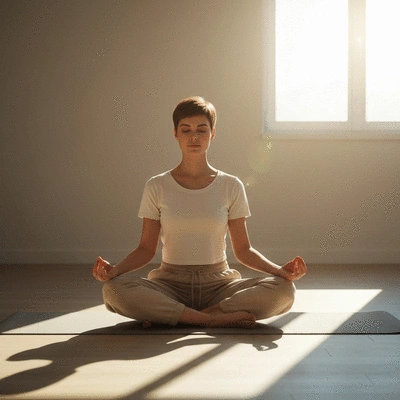
Woman performing a gentle yoga pose with a serene expression, symbolizing stress reduction and hormonal balance

Integrating yoga into your daily routine allows you to cultivate a sense of calm. Through mindful movement and breath, you can positively influence your body's hormonal balance and mitigate stress levels. This holistic approach is what Ovarian Cysts Wellness is all about—empowering women to take charge of their health.

How Yoga Affects Hormonal Balance and Stress Levels

Yoga has been shown to positively impact hormonal balance by reducing levels of the stress hormone cortisol. Lower cortisol levels are essential for maintaining a healthy reproductive system. When your body feels less stressed, it can effectively manage hormonal fluctuations associated with ovarian cysts. For more information on how stress impacts your body, consider reading about managing stress and ovarian cysts.

  • Promotes relaxation and reduces anxiety
  • Enhances blood circulation to the reproductive organs
  • Improves overall well-being and body awareness

By incorporating specific yoga poses into your practice, you can further enhance these benefits. Each movement fosters a deeper connection with your body and empowers you to listen to its needs. As you explore these poses, you may find yourself feeling more balanced and in control, which is exactly what we aim for at Ovarian Cysts Wellness.

The Connection Between Stress and Ovarian Health

It’s crucial to understand that stress and ovarian health are deeply connected. High stress levels can lead to hormonal imbalances, which may exacerbate the symptoms of ovarian cysts. Managing stress through yoga can therefore play a vital role in your journey toward wellness.

  • Chronic stress can disrupt menstrual cycles
  • Stress can lead to inflammation, impacting cyst formation
  • Effective stress management promotes emotional stability

By engaging in regular yoga practice, you can significantly reduce stress and its negative effects on your ovarian health. Remember, your wellness journey is unique, and incorporating stress-relief techniques such as yoga can create a more balanced lifestyle.

Essential Yoga Poses for Stress Relief and Ovarian Health

Now that we've explored the role of yoga in managing ovarian cysts, let's dive into some essential poses that can enhance both stress relief and ovarian health. Practicing these poses regularly can help you cultivate ease and comfort in your body.

Pelvic Opening Poses: Cultivating Ease and Comfort

Pelvic opening poses are particularly beneficial for promoting relaxation and enhancing blood flow to the pelvic area. Here are a couple of my favorites:

  • Child’s Pose (Balasana): A gentle restorative position that encourages relaxation.
  • Bridge Pose: This pose strengthens the pelvic area while relieving tension.

Integrating these poses into your routine can enhance your comfort levels and help manage any discomfort associated with ovarian cysts.

Child’s Pose (Balasana): A Gentle Restorative Position

Child's Pose is one of the most comforting poses. By sinking into the pose, you can gently stretch your back, hips, and thighs, which can relieve built-up tension. It's a perfect way to reconnect with your breath and find a moment of peace.

Bridge Pose: Strengthening the Pelvic Area

Bridge Pose not only strengthens your pelvic muscles but also opens up your chest and shoulders. This pose is excellent for improving circulation and providing a sense of stability and comfort.

Restorative Practices for Enhanced Relaxation

Restorative yoga practices are designed to promote deep relaxation and recovery. Here are some poses to incorporate into your practice for enhanced relaxation:

  • Butterfly Pose: This pose opens up the hips and releases tension.
  • Reclining Bound Angle: A wonderful way to deepen your relaxation and focus on your breath.

These restorative poses can help you unwind and nurture your body, making them invaluable tools in your wellness journey. For additional ways to soothe discomfort, explore how to soothe ovarian cyst pain naturally.

Butterfly Pose: Opening Up the Hips

The Butterfly Pose is fantastic for releasing tightness in your hips. As you gently flap your knees like butterfly wings, you can feel a wonderful stretch that promotes not only physical relaxation but emotional release as well.

Reclining Bound Angle: Deepening Relaxation

This pose allows your body to sink into a state of relaxation. By lying back in this restorative position, you can ease tension and create a nurturing environment for your body to heal.

Frequently Asked Questions About Yoga and Ovarian Cysts

Q: How does yoga help with ovarian cysts?
A: Yoga helps manage ovarian cysts by reducing stress levels, balancing hormones, and promoting overall physical and emotional well-being. Specific poses can also improve blood flow to the pelvic area and relieve tension.
Q: Can yoga reduce cortisol levels?
A: Yes, regular yoga practice has been shown to effectively lower cortisol (stress hormone) levels, which is crucial for maintaining hormonal balance and supporting reproductive health.
Q: Which yoga poses are best for ovarian health?
A: Pelvic opening poses like Child’s Pose (Balasana) and Bridge Pose, along with restorative practices such as Butterfly Pose and Reclining Bound Angle, are particularly beneficial for promoting relaxation and enhancing blood flow to the pelvic area.
Q: Is it safe to practice yoga with ovarian cysts?
A: Yes, generally, but it's essential to consult with your healthcare provider first. Always listen to your body, modify poses as needed, and avoid any movements that cause pain or discomfort.
Q: How often should I practice yoga for managing ovarian cysts?
A: Consistency is key. Even short, regular sessions (e.g., a few times a week) can significantly contribute to stress relief, hormonal balance, and overall well-being. Find a routine that fits your schedule and allows for sustained practice.

Wrapping Up the Mind-Body Connection

As we conclude our exploration of yoga and its benefits for managing ovarian cysts, it's essential to recognize the remarkable connection between mind and body. By incorporating yoga, meditation, and supportive accessories into your wellness routine, you can cultivate a holistic approach to your health. Each element works synergistically, enhancing your journey towards balance and comfort.

Here are some key benefits you can expect from integrating these practices into your life:

  • Stress Reduction: Regular yoga and meditation can lower cortisol levels, reducing stress and promoting relaxation.
  • Improved Hormonal Balance: Yoga helps regulate hormones, which can alleviate discomfort related to ovarian cysts.
  • Enhanced Flexibility and Strength: Specific poses target the pelvic area, fostering physical comfort and well-being.
  • Mindfulness: Practicing mindfulness meditation encourages you to stay present, even during moments of discomfort.
Woman meditating in a peaceful setting, representing mindfulness and personal growth in managing ovarian cysts

Important Considerations and Safety Tips for Your Practice

Before you dive into your yoga practice, it's crucial to prioritize safety and listen to your body. As someone who is passionate about women's health, I encourage you to keep the following tips in mind:

  • Consult with Your Healthcare Provider: Always discuss your yoga practice with a health professional, especially if you have existing conditions.
  • Modify Poses as Needed: Don't hesitate to adjust poses to suit your comfort and flexibility level. Use props to support your practice!
  • Pay Attention to Your Body: If you feel pain or discomfort, stop and reassess. Yoga should feel good, not strained.
  • Stay Hydrated: Drink plenty of water before and after your practice to help maintain your energy levels.

Encouraging a Regular Practice for Long-Term Relief

Establishing a Routine: Balancing Yoga and Relaxation

Establishing a consistent yoga routine can significantly enhance your well-being. I suggest setting aside time each week to practice. Whether it's a short session in the morning or a longer class in the evening, consistency is key. Here are some tips to help you maintain a balanced schedule:

  • Set Clear Goals: Define what you want to achieve with your practice, such as stress relief or improved flexibility.
  • Choose a Time That Works for You: Find a time that fits your schedule, making it easier to commit.
  • Mix Up Your Routine: Incorporate different styles of yoga and meditation to keep things fresh and engaging.

When to Seek Additional Support from Health Professionals

While yoga is a powerful tool, there may be times when you need extra support. If you're experiencing persistent discomfort or emotional distress, don't hesitate to reach out to your healthcare provider. They can offer tailored advice and resources to complement your wellness journey.

Join a Community for Shared Experiences and Benefits

Connecting with others who share similar experiences can be incredibly empowering. Consider joining a local or online yoga community focused on women's health. Sharing your journey can provide emotional support and motivate you to continue your practice. You can also explore coping strategies for ovarian cysts to find further support. Remember, you’re not alone in this!

Leveraging Journals and Stress Relief Books for Personal Growth

Lastly, keeping a journal or reading stress relief books can be an excellent way to document your journey and reflect on your progress. Journaling allows you to process your feelings and track what practices resonate with you. Plus, discovering new techniques through reading can inspire your practice and enhance your knowledge about managing ovarian cysts.

Recap of Key Points

Here is a quick recap of the important points discussed in the article:

  • Yoga for Well-being: Integrating yoga into your routine can promote physical and emotional balance, aiding in the management of ovarian cysts.
  • Hormonal Balance: Regular yoga practice helps lower cortisol levels, which is essential for maintaining a healthy reproductive system.
  • Stress Management: Understanding the connection between stress and ovarian health can guide effective stress management strategies through yoga.
  • Essential Poses: Incorporating pelvic opening and restorative poses like Child’s Pose and Butterfly Pose can enhance comfort and relaxation.
  • Safety Tips: Always consult a healthcare provider, modify poses as needed, and pay attention to your body to ensure a safe practice.
  • Consistency: Establishing a regular yoga routine can significantly enhance your overall well-being and contribute to long-term relief.

Subscribe & Share
Hormones and Ovarian Cyst Growth How Hormones Affect Ovarian Cyst Development Understanding ovarian cysts can feel overwhelming, especially if you're navigating discomfort on you
Self-Care Kit for Period Relief Creating a Self-Care Kit for Period Pain and Discomfort Building your personalized self-care kit can be a transformative experience, especially during chall
Understanding Ovarian Cyst Pain Ovarian Cyst Pain: What It Feels Like and How to Cope Many women are unaware that ovarian cysts are a common issue, with many experiencing them at some po
Banner
Ovarian Cysts Wellness

Your trusted resource for understanding ovarian cysts and discovering natural management strategies. We empower women aged 18-45 with holistic insights and practical guidance for comfort and balance.

Trusted by women seeking gentle relief, our mission is to provide reliable, empathetic information backed by Edyta Drabek's expertise in holistic health and wellness.

Explore Wellness
Recent Posts
Natural Supplements to Support Ovarian Health and Cyst Management Natural Supplements for Ovarian Health

Understanding the intricacies of ovarian health ca

Comfortable Maternity Pillows for Easing Ovarian Cyst Symptoms During Sleep Cushioning Ovarian Cyst Discomfort at Night

Understanding ovarian cysts is more important than

Herbal Teas for Hormonal Balance and Ovarian Cyst Symptom Relief Herbal Teas for Hormonal Harmony

Have you ever wondered how something as simple as

Ovarian Cysts Wellness Insights