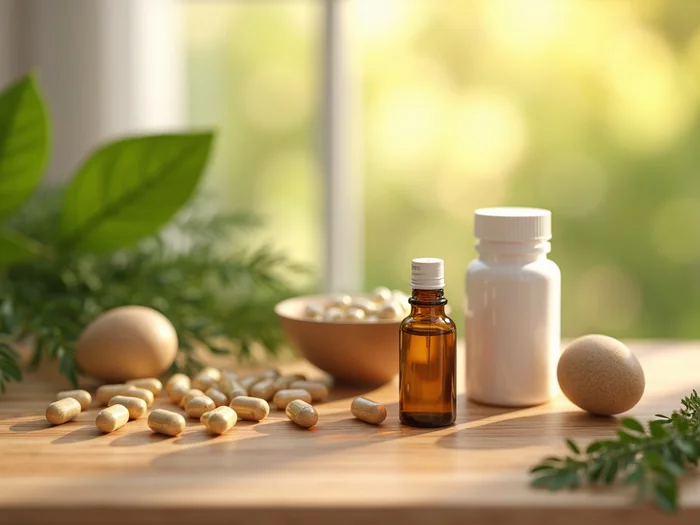
Inositol: Regulates Insulin & Hormones
Crucial for hormonal balance, especially in PCOS. Helps manage weight by regulating insulin levels. Recommended daily dosage: 2-4 grams.
PCOS Symptom Management
Posted on: 2025-10-20
By: Edyta Drabek
Understanding the intricacies of ovarian health can feel overwhelming, especially when faced with common issues like ovarian cysts or PCOS. Yet, by embracing natural supplements, you can take proactive steps towards enhancing your well-being. What if the key to your comfort lies in simple, natural solutions?
Understanding the role of specific supplements can significantly impact ovarian health and overall well-being. Here's a look at key natural allies and their benefits:
Crucial for hormonal balance, especially in PCOS. Helps manage weight by regulating insulin levels. Recommended daily dosage: 2-4 grams.
Supports fertility and helps manage cyst size. Enhances egg quality and general ovarian function. Consult healthcare provider for safe use.
Reduces inflammation, alleviating pain associated with ovarian cysts and PCOS. Found in fish oil and flaxseed. Supports overall ovarian function.
Vitamin D regulates hormones, improving menstrual regularity. Vitamin E is an antioxidant. Folate is vital for cellular and reproductive health.
When we talk about ovarian health, we’re diving into a vital aspect of women's overall well-being. Our ovaries play critical roles, not only in reproduction but also in maintaining hormonal balance and overall health. Understanding how to nurture our ovarian health with natural supplements can be a game-changer. I always emphasize that educated choices empower us in our wellness journey!
So, why should ovarian health matter to you? For many women, conditions like ovarian cysts or PCOS (Polycystic Ovary Syndrome) can significantly impact daily life, affecting everything from mood to physical health. By being aware and proactive, we can tackle these issues head-on. For more information on understanding these conditions, you can read our article on understanding ovarian cysts and symptoms.
Your ovarian health is intertwined with several aspects of your overall wellness. When our ovaries are functioning well, it often reflects a harmonious balance in our bodies. This balance can lead to stabilized moods, regular menstrual cycles, and even improved skin health! By focusing on ovarian health, women can enhance their quality of life.
Prioritizing ovarian health can lead to fewer disruptions in daily life. It’s all about taking small but impactful steps!
Let’s touch on two prevalent issues: ovarian cysts and PCOS. Ovarian cysts are fluid-filled sacs that can form on the ovaries. While they’re typically harmless and often go away on their own, they can cause discomfort. On the other hand, PCOS is a more complex condition that affects hormonal levels, leading to irregular periods, weight gain, and other health challenges.
Understanding these conditions is the first step to managing them effectively. They’re more common than you might think, and recognizing the signs early can make a significant difference in your approach to wellness.
Now, let’s explore some key natural supplements that can support ovarian health and help manage cysts. Each of these supplements brings unique benefits to the table. Incorporating them into your routine can enhance your wellness journey!
One remarkable supplement to consider is Inositol. It’s been shown to support hormonal balance, especially for women dealing with PCOS. By regulating insulin levels, Inositol can help manage weight and improve ovarian function. If you're looking for more general ways to find relief, check out our article on natural ways to ease ovarian cyst pain.
Inositol plays a crucial role in signaling pathways in our bodies, particularly in the ovaries. It helps in insulin sensitivity, which is vital for women with PCOS. The more balanced our insulin levels, the better our ovaries can function!
While determining the right dosage can be personal, many studies suggest a range of 2-4 grams per day is effective. You can find Inositol in various forms, such as powders or capsules. I encourage you to explore the options that feel right for you!
N-acetylcysteine (NAC) is another powerful supplement that can benefit ovarian health. This antioxidant is noted for its role in supporting fertility and managing cysts, making it a popular choice among women seeking natural solutions.
NAC not only helps reduce cyst size in some women but also enhances overall fertility by improving the quality of eggs. It’s a supplement worth considering as part of a comprehensive approach to ovarian health!
While NAC is generally safe for most women, it’s always wise to consult your healthcare provider, especially if you have existing conditions or are taking medications. Listening to our bodies is key!
Let’s not forget about the benefits of Omega-3 fatty acids. Found in fish oil and flaxseed, these healthy fats are known for their anti-inflammatory properties, which can positively impact ovarian function.
By reducing inflammation, Omega-3s can help alleviate pain associated with ovarian cysts and PCOS. Incorporating these fatty acids into your diet can be as simple as enjoying a piece of salmon or adding chia seeds to your smoothie!
The proper intake of vitamins can play a significant role in maintaining ovarian health. Vitamins like D, E, and Folate are essential for hormonal regulation and overall reproductive health. They’re the little heroes in our wellness journey!
Vitamin D is crucial for hormonal balance and can even improve menstrual regularity. Many women are deficient in this vitamin, so it’s something to keep an eye on!
Vitamin E is known for its antioxidant properties, supporting healthy ovarian function. Folate, on the other hand, is vital for cellular function and can prevent various reproductive issues. Together, they contribute to a robust wellness plan.
Finally, let’s explore some herbal remedies that can complement your supplement regimen. Nature has provided us with a plethora of options to support our ovarian health!
Aloe vera is often celebrated for its soothing properties. It can support digestive health and reduce inflammation, making it a great addition to your wellness toolkit.
Chamomile is not just a calming tea; it can also aid in insulin regulation, while cinnamon has been linked to improved sensitivity. Incorporating these herbs into your diet can add a flavorful twist to your health routine!
Chasteberry, or Vitex, is an herb traditionally used to help balance hormones. It can be particularly beneficial for women experiencing irregular cycles or PMS symptoms, providing a natural way to support hormonal harmony. For further natural relief options, consider exploring natural remedies for ovarian cyst pain.
Did you know? Incorporating a variety of natural supplements can significantly enhance your ovarian health. For instance, combining Inositol for hormonal balance with Omega-3 fatty acids for inflammation reduction creates a powerful synergy. Always consult with your healthcare provider to tailor the right combination for your individual needs!
When it comes to managing ovarian health, natural supplements can be a game changer. I’ve seen numerous women benefit from these holistic approaches, leading to improved well-being and symptom relief. Let's break down the key benefits of incorporating natural supplements into your routine.
As I connect with women through Ovarian Cysts Wellness, I’m constantly reminded of how empowering it is to take charge of one’s health. The right supplements can make a significant difference, and hearing personal success stories reinforces this belief.
Hearing from women who've integrated natural supplements into their lives is incredibly uplifting. For example, I often receive messages from readers sharing their journeys. One woman noted that after starting inositol, she felt a noticeable reduction in her cyst-related discomfort. Another shared how incorporating omega-3s into her diet helped her manage her symptoms more effectively.
These testimonials highlight the potential of natural supplements in making a real impact on ovarian health. It’s reassuring to know that others are finding relief and support in similar ways.
Choosing the right supplements can be daunting with so many options available. However, reaching out to healthcare professionals for guidance is essential. They can provide personalized recommendations based on your unique health needs. Here are a few tips I’ve learned in my journey:
Taking these steps can help you select the best supplements for your journey. I always encourage the women in our community to focus on quality and to listen to their bodies as they explore their options.
Magnesium and zinc are often overlooked but are vital for ovarian health. Magnesium helps in regulating hormonal balance and can alleviate symptoms related to PMS and cysts. Zinc, on the other hand, is crucial for supporting immune function and reproductive health. Here’s why you should consider adding these minerals to your regimen:
Incorporating foods rich in magnesium and zinc, such as leafy greens, nuts, seeds, and whole grains, can be an excellent way to complement your supplementation. Remember, a well-rounded approach to health can lead to better outcomes!
Natural supplements can significantly support ovarian health by balancing hormones, reducing inflammation, improving fertility, and managing symptoms associated with conditions like PCOS and ovarian cysts. They offer a holistic approach to wellness.
Key supplements include Inositol for hormonal balance and PCOS symptom management, N-acetylcysteine (NAC) for antioxidant support, fertility, and cyst reduction, and Omega-3 fatty acids for anti-inflammatory benefits. Vitamins D, E, and Folate are also crucial for reproductive health, while herbs like Chasteberry can help manage hormonal imbalances.
Inositol supports hormonal balance, particularly in women with PCOS, by regulating insulin levels. This can help manage weight, improve ovarian function, and contribute to more regular menstrual cycles. Recommended daily dosages often range from 2-4 grams.
NAC is a powerful antioxidant that supports fertility by enhancing egg quality and general ovarian function. It can also help in managing cyst size. It's important to consult a healthcare provider for safe use and appropriate dosages.
Omega-3 fatty acids are known for their strong anti-inflammatory properties. By reducing inflammation, they can help alleviate pain associated with ovarian cysts and PCOS, supporting overall ovarian function. They can be found in fish oil and flaxseed.
Yes, it is crucial to consult a healthcare professional before starting any new supplement regimen. They can provide personalized recommendations based on your individual health needs, assess potential interactions with existing medications, and ensure a safe and effective approach to your health journey.
It's time to take proactive steps toward your ovarian health! By utilizing the insights gained from natural supplements and expert advice, you can make informed decisions that support your well-being.
Before starting any new supplement regimen, it's crucial to consult with a healthcare professional. They can help tailor a plan that considers your individual health needs. This step ensures that your approach is safe and effective.
Taking this initiative is empowering and sets a solid foundation for your health journey.
Creating a personalized supplement plan can make all the difference in your journey towards wellness. Start by identifying your goals, symptoms, and lifestyle. Here’s a simple framework to get started:
Remember, it’s all about finding what works best for you. At Ovarian Cysts Wellness, we believe in supporting your unique path to health, and I’m here to guide you through this process! Together, we can celebrate each small step towards balance and comfort.
Here is a quick recap of the important points discussed in the article: